

Inspecting a fleet of used Lexus vehicles in the UAE requires a departure from standard visual walkarounds. The market is flooded with high-mileage models that have endured the region's extreme temperatures and abrasive desert conditions. Fleet managers and private buyers must recognize that Lexus reliability is not an automatic guarantee; it depends on specific maintenance history and component integrity. A superficial inspection often misses the subtle signs of wear that lead to catastrophic engine failure or expensive suspension collapses.
Lexus-Specific Commonality: Heat and Electronics
The UAE climate fundamentally accelerates the degradation of specific Lexus components. High ambient temperatures put immense stress on electrical connectors and sensors, which are the primary points of failure in modern Lexus vehicles. Moreover, the combination of high heat and rapid temperature changes contributes to oil degradation and seal hardening. An experienced inspector understands that a car that runs perfectly in a showroom will behave differently under the intense load of Abu Dhabi traffic or UAE highways.
- Electrical Harnesses: Heat causes insulation to crack, leading to short circuits in infotainment systems or sensors.
- Oil Breakdown: Viscosity drops rapidly in high heat, reducing lubrication effectiveness between moving parts.
- Seal Hardening: Rubber gaskets, particularly in the valve cover and oil filter housing, become brittle and leak over time.
Model-Specific Faults: RX, GS, and NX
Not all Lexus models share the same mechanical DNA, and inspection priorities must shift based on the platform. The RX350 and RX450h are ubiquitous, but the V6 engine requires specific attention. The 2GR-FE engine is robust, but the timing chain tensioner is prone to stretching, leading to chain rattle or failure. For the GS300 and GS350, which are popular in rental fleets, rear suspension wear is the primary area of concern, often resulting in a "spongy" feel over bumps.
The NX series, particularly the hybrid variants, introduces a different set of risks. Oil dilution is a frequent complaint in NX300h models, where fuel vapor enters the crankcase during cold starts, thinning the engine oil and increasing viscosity levels. Ignoring this leads to sludge buildup and potential engine failure. Inspecting the dipstick condition and checking the oil quality is mandatory for any NX in the fleet.
The Inspection Checklist: Prioritizing the Core
A comprehensive inspection moves beyond the surface to evaluate the health of the drivetrain and chassis. In the UAE context, where vehicles are often driven hard on highways, the suspension and brakes bear the brunt of the workload. Fleet inspections should strictly prioritize the following areas to ensure longevity:
- Timing Chain and Tensioners: Vital for V6 engines; check for metallic noises during startup.
- Suspension Bushings: Rubber degrades faster in heat; look for excessive play or clunking sounds.
- Hybrid Battery Cells: Check for swelling or coolant leaks in the battery pack.
- Brake Master Cylinder: Hybrids use regenerative braking, which can cause condensation buildup inside the master cylinder.
Diagnostic Capabilities: The OBD Advantage
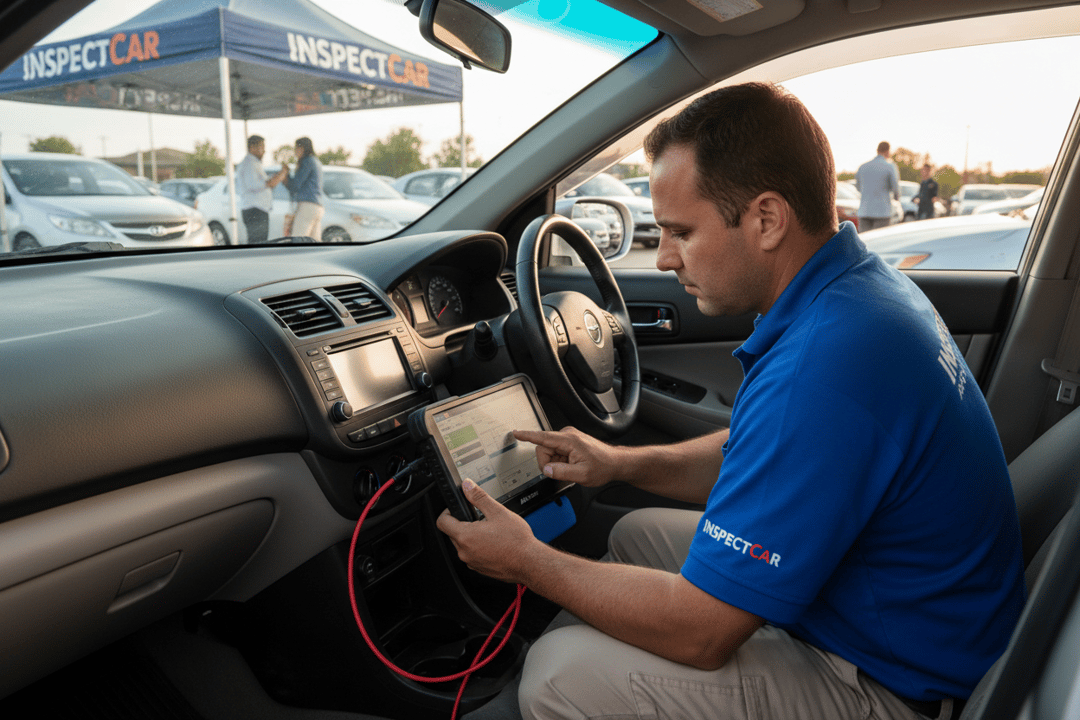
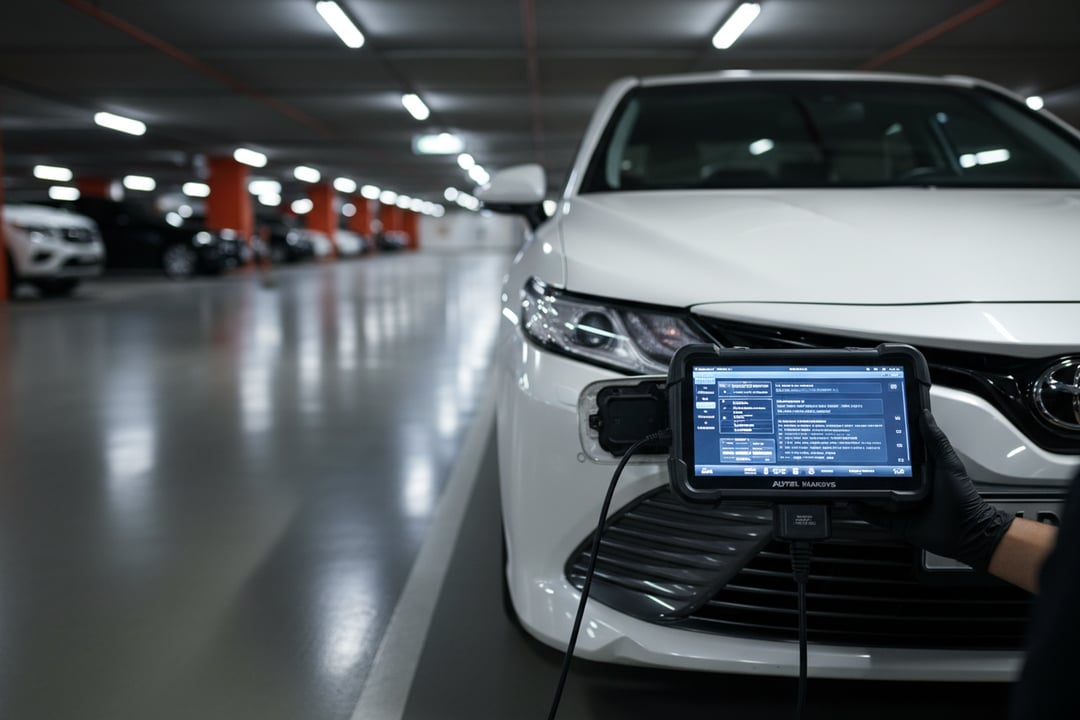
Modern Lexus vehicles rely heavily on complex electronic control units (ECUs) to manage hybrid systems and variable valve timing. A visual inspection cannot reveal stored error codes or intermittent faults. Utilizing an On-Board Diagnostics (OBD) scan is essential for revealing the vehicle's "black box" history. Codes stored in the engine, transmission, ABS, and airbag modules often point to pending repairs that are not yet causing driveability issues but will do so soon.
For a thorough evaluation, AutoFay provides a Computer Diagnostic service starting at AED 99. This allows inspectors to read transmission adaptions and check hybrid system status without invasive disassembly. Without this step, a fleet manager might miss a pending transmission shift failure or a failing hybrid inverter that could result in a total loss of drive capability.
Structural Integrity and Fluid Health
While electronics and mechanics get the most attention, the physical structure of the vehicle dictates its remaining value and safety. In a collision, Lexus vehicles often absorb impacts through their steel frames, but subsequent repairs can compromise stiffness. Inspecting the Frame (rails, pillars, floor pan) is non-negotiable for any fleet asset. Even a minor accident involving a pillar can affect the alignment of the steering and suspension, leading to uneven tire wear and handling drift.
| Inspection Category | Priority Level in UAE | Common Failure Indicator |
|---|---|---|
| Body & Paint | High | Panel-by-panel matching indicates accident history. |
| Engine (Sound/Smoke) | Critical | Blue smoke = oil burning; White smoke = head gasket leak. |
| Fluids (Level + Condition) | Critical | Milky oil = coolant intrusion; Metallic particles = bearing wear. |
| Tires (Manufacturing Year) | Moderate | Tires older than six years degrade rapidly in heat. |
Fluid analysis is equally critical. The engine oil should be inspected not just for level, but for viscosity and presence of coolant or fuel. In hybrid models, the transmission fluid must be checked for the correct color and smell; burnt transmission fluid is a leading cause of transmission replacement, which carries a heavy financial consequence if unaddressed.
Brake Systems in Hybrid Fleets
Hybrid Lexus vehicles utilize regenerative braking to recharge the battery, which reduces the physical friction applied by the brake pads. This can lead to a phenomenon where the brake calipers seize slightly or the pads wear unevenly. When inspecting a fleet, pay close attention to the brake pad percentage rating. A hybrid vehicle may show 80% pad life, yet the mechanics inside the caliper may be rusted or sticky due to the lack of heat generated during normal driving cycles.
Furthermore, the master cylinder can accumulate condensation because the brakes are rarely applied to their stopping limit. This water accumulation leads to rust within the cylinder, eventually resulting in brake fade or complete failure. Inspectors must prioritize the Brakes category to ensure the safety of the fleet and prevent unexpected downtime.
Ultimately, a fleet inspection is about risk mitigation. By utilizing professional on-location inspection services, companies can uncover hidden defects before they become expensive liabilities. A detailed report with HD photos and a point-by-point breakdown allows for fair valuation and maintenance planning. AutoFay inspects 410+ checkpoints with HD photos and PDF report. Book at autofay.ae or call +971542584458.


0 Comments
No comments yet. Be the first to share your thoughts!