


Fleet owners and private buyers in the UAE often turn to the Kia brand for its competitive pricing and practical design. However, purchasing a used vehicle without a rigorous assessment introduces significant operational risks. Kia vehicles, particularly the Sportage, Optima, and Soul, have specific mechanical traits that require expert attention. A standard visual inspection is insufficient to uncover the underlying health of these units. Professional fleet inspection services provide the granular data necessary to evaluate a vehicle’s true condition before commitment. This guide outlines the critical areas to prioritize when inspecting used Kias, focusing on model-specific vulnerabilities and common faults prevalent in the local market.
The 2011–2016 Kia Sportage: Transmission and ECU Focus
The facelifted versions of the Kia Sportage produced between 2011 and 2016 are frequently found in the UAE market. These models are generally robust, but specific electronic and transmission components demand scrutiny. The most critical area of concern is the 6-speed automatic transmission equipped with the 2.0L MPI engine. Owners often report shuddering or harsh shifting, which indicates a failing torque converter or worn transmission mounts.
Furthermore, the Electronic Control Unit (ECU) on these models has documented software calibration issues that can trigger the "Check Engine" light. Ignoring these lights often leads to reduced fuel efficiency and potential catalytic converter damage. Inspectors must verify that the computer has not previously undergone a software re-flash. A history of ECU replacement or repair is a major red flag for hidden electrical faults.
Kia Soul: Turbocharger and Oil Consumption Concerns
The Kia Soul, particularly the 1.6L Turbo variants popular for their compact utility, presents unique inspection challenges. The primary mechanical fault associated with this engine family is excessive oil consumption. While minor oil burn-off is not uncommon in turbocharged engines, levels that deplete between oil changes suggest worn piston rings or valve stem seals.
Conversely, a vehicle that uses no oil may indicate the presence of a turbocharger oil seal leak. A leaking seal allows oil to seep into the hot exhaust, resulting in blue smoke during acceleration and a burning oil smell inside the cabin. Inspectors must perform a compression test and a leak-down test to verify the integrity of the internal combustion chamber. A faulty turbocharger replacement is a costly repair that significantly depreciates the vehicle's value.
Common Electrical and Sensor Failures
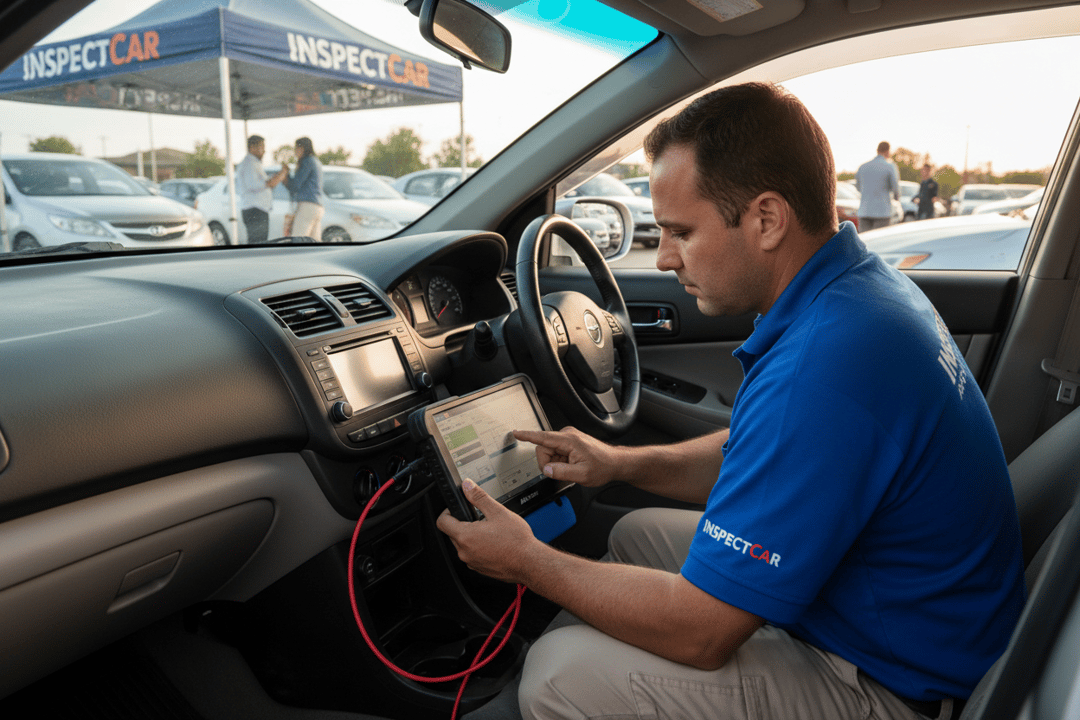
Electrical gremlins are disproportionately represented in Kia inspections compared to other brands. The OBD (On-Board Diagnostics) system is the first line of defense, but standard codes often fail to reveal intermittent faults. Common issues include the failure of the electronic parking brake motor, which can seize and render the parking brake inoperable.
Additionally, power steering pumps on older Kias (especially the Optima) are prone to internal seal failure, leading to fluid leaks and a whining noise while steering. Sensors for tire pressure monitoring systems (TPMS) are also sensitive to temperature fluctuations in the UAE climate. A comprehensive OBD scan is mandatory to clear stored codes and identify any active fault triggers that the driver cannot see.
Structural and Body Assessment Priorities
When assessing fleet vehicles, the condition of the unibody frame is non-negotiable. Kia vehicles, like all modern cars, rely on a rigid chassis for airbag deployment and passenger safety. Inspectors must check the pillars, door frames, and the floor pan for signs of rust or impact damage. In the UAE, corrosion is less of an issue than impact damage from frontal or rear-end collisions.
Panel-by-panel paint thickness measurement is essential to distinguish between original parts and repaired sections. A significant variance in coating thickness indicates a previous accident, even if the paintwork looks seamless. AutoFay utilizes advanced tools to detect these discrepancies, ensuring that a vehicle advertised as "clean" has not been involved in a collision that compromised its structural integrity.
Fluids and Maintenance History
Fluid analysis provides a window into the engine's health that visual inspection cannot. Engine oil that is black, gritty, or smells of burning fuel indicates incomplete combustion or a failing PCV (Positive Crankcase Ventilation) valve. Transmission fluid should be a bright pink or red; if it is brown or smells burnt, the transmission is likely approaching failure.
Power steering fluid and brake fluid degrade over time due to heat and moisture absorption. Brake fluid with a low moisture content absorbs heat, which can cause the brakes to fade during heavy city traffic. Inspectors must check all fluid levels and condition signs to predict future maintenance needs. Neglecting these fluids often leads to expensive drivetrain repairs.
The Role of Professional Inspection Packages
Given the complexity of these issues, relying on a basic walk-around is insufficient for high-stakes purchases. A professional fleet inspection provides a structured evaluation of the vehicle’s mechanical and cosmetic state. The services offered by AutoFay cover the essential checkpoints required to mitigate financial risk.
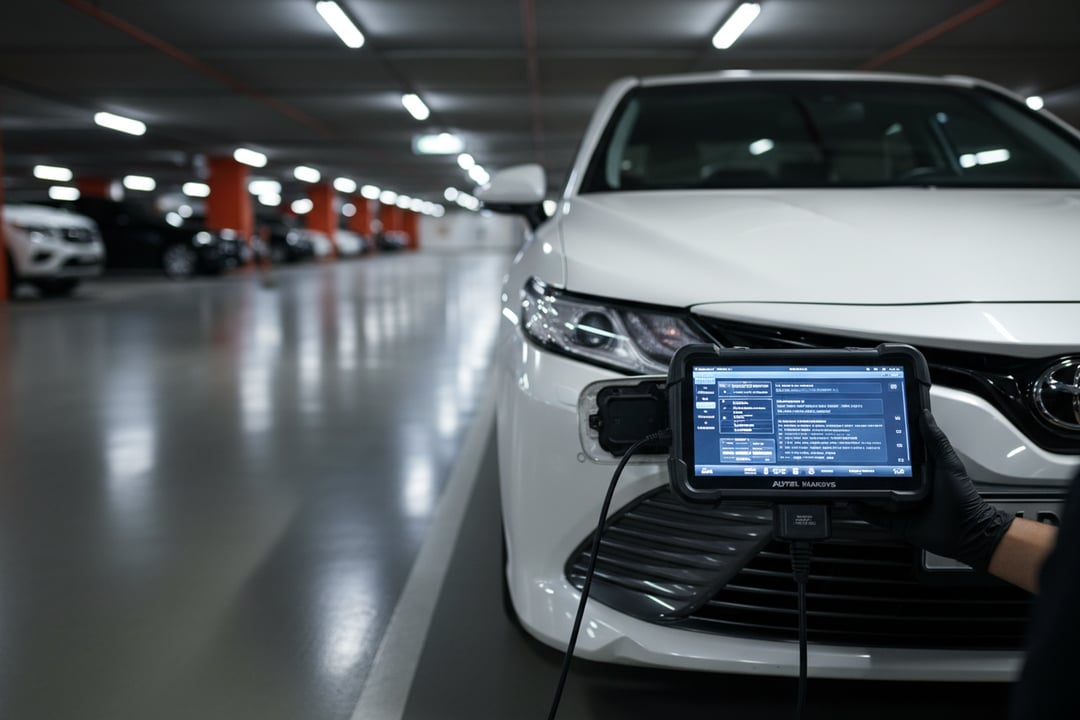
The Computer Diagnostic service starts at AED 99 and is the first step for any used car purchase, quickly identifying stored error codes in the engine, transmission, ABS, and airbag systems.
For a more detailed evaluation of both mechanical and cosmetic health, the Body & Computer package at AED 250 offers a comprehensive review. This includes a thorough road test to check for vibrations, noise, and acceleration delays, alongside a panel-by-panel body inspection.
For fleets requiring the highest level of scrutiny, the Comprehensive package at AED 299 provides deep-dive analysis. This covers 410+ checkpoints across 25 categories, including frame integrity, suspension alignment, and manufacturing year verification on tires. The report includes HD photos and a detailed PDF, allowing owners to make objective decisions based on factual data.
Inspection Categories and Methodology
To ensure consistency across different vehicles, professional inspections categorize checks into specific functional areas. The following table outlines the critical inspection categories and their relevance to Kia fleet management:
| Inspection Category | Priority Level | Key Kia-Specific Checks |
|---|---|---|
| Engine & Mechanical | Critical | Oil consumption test, turbo seal integrity, compression levels. |
| Transmission (CVT/Auto) | Critical | Shift timing, torque converter shudder, fluid condition. |
| Body & Paint | High | Panel alignment, paint thickness analysis, accident history. |
| Frame & Structure | High | Door gap consistency, floor pan rust, pillar stress signs. |
| Electrical & OBD | High | ECU history, sensor faults, power steering pump function. |
| Suspension & Tires | Medium | Noise during bumps, alignment, tire age and tread depth. |
The inspection process concludes with a road test to evaluate the vehicle's behavior under actual driving conditions. This phase reveals issues that cannot be found in a static environment, such as abnormal suspension clunking or transmission hesitation.
On-location inspection services are available across all seven Emirates, allowing fleet managers and buyers to have vehicles assessed at their location. This convenience ensures that inspections are conducted under consistent lighting and environmental conditions. By utilizing professional services like AutoFay, buyers can avoid the hidden costs associated with post-purchase repairs.
AutoFay inspects 410+ checkpoints with HD photos and PDF report. Book at autofay.ae or call +971542584458



0 Comments
No comments yet. Be the first to share your thoughts!