
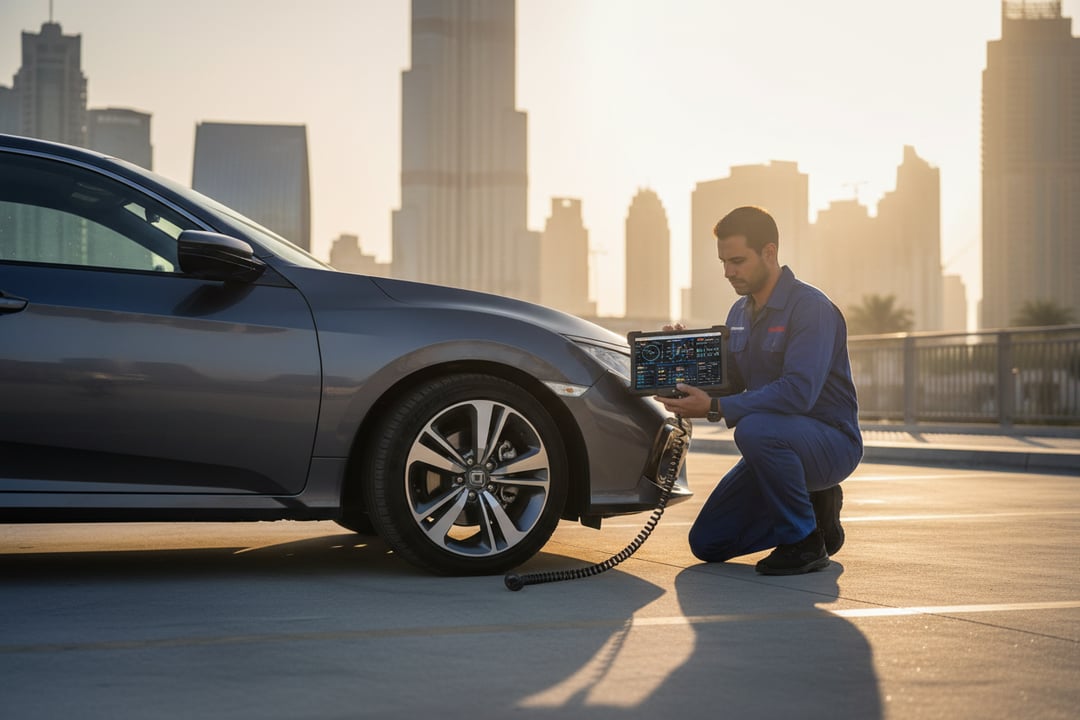
The used vehicle market in the United Arab Emirates places a premium on Honda vehicles due to their reputation for longevity, resale value, and mechanical durability. However, the harsh desert climate and high mileage prevalent in the GCC significantly alter the lifecycle of these vehicles. A visual inspection often fails to reveal the latent failures hidden beneath the surface. Fleet managers and private buyers must understand that a Honda is only as reliable as its maintenance history and current component condition. This guide details the specific mechanical and structural nuances required when inspecting used Hondas in the UAE.
The Impact of the UAE Climate on Honda Longevity
The relentless exposure to extreme heat accelerates the degradation of engine oils and transmission fluids, which are critical for lubrication. Dust and sand intrusion into air filters and intake systems can cause premature wear on pistons and cylinder walls. Furthermore, the saline humidity in coastal cities like Dubai, Abu Dhabi, and Sharjah accelerates corrosion in the chassis and floor pans. Inspectors must look beyond cosmetic condition to assess how well the vehicle has managed thermal stress and environmental exposure.
Common Engine and Transmission Faults
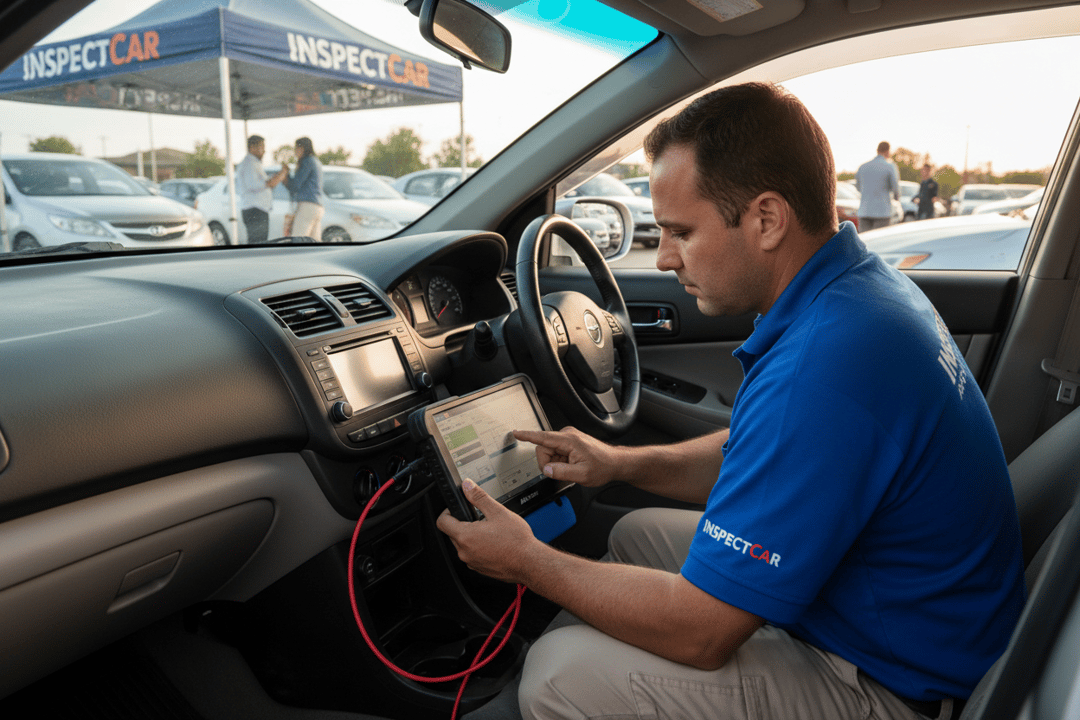
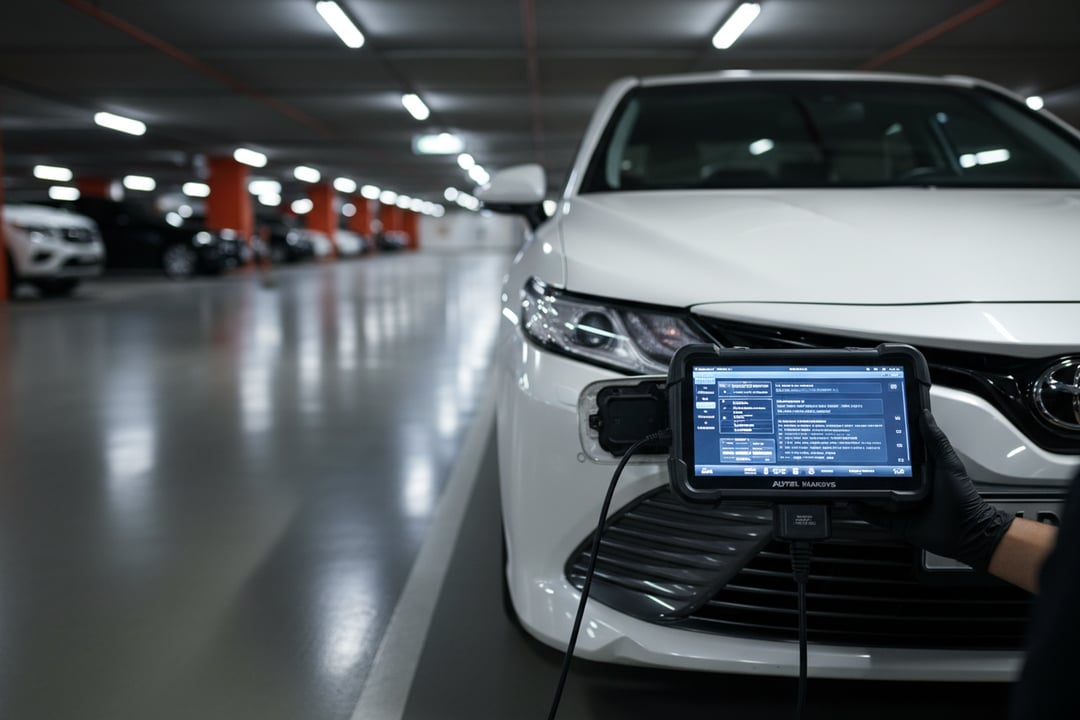
While Honda engines are generally robust, specific components fail predictably after certain mileage intervals. The most common issue in the market is the degradation of the transmission fluid and the timing chain tensioners in older models. A worn timing chain can lead to catastrophic engine failure if not addressed. Additionally, the OBD (On-Board Diagnostics) system is the primary tool for identifying hidden errors, yet many dealers fail to provide a full scan history.
- Timing Chain: Check for engine rattling on cold starts. A loose chain affects valve timing and can lead to engine failure.
- Transmission Hesitation: Test drive the vehicle. Sluggish shifting or delayed engagement indicates potential transmission wear.
- OBD Codes: Ensure the check engine light is off or that all stored codes have been read and cleared.
Model-Specific Watchlist: CR-V, Civic, and Accord
Different generations of Honda vehicles present distinct challenges. The CR-V is a fleet favorite, but its automatic transmissions (often Jatco units) are prone to slipping under heavy load. The Civic, particularly the 8th and 9th generations, suffers from oil dilution issues where fuel leaks into the engine oil, thickening the fluid and reducing lubrication. The Accord, while comfortable, often exhibits electrical gremlins and worn-out hub bearings that cause vibration at highway speeds.
| Model | Common Fleet Issue | Inspection Priority |
|---|---|---|
| CR-V (2007–2015) | Transmission slippage, oil pan leaks | Transmission fluid level and drive test |
| Civic (2006–2011) | Oil dilution, strut mount failure | Engine compression test, suspension check |
| Accord (2008–2014) | Electrical module failure, hub bearing noise | Road test for vibration, electrical scan |
Structural Integrity and Body Assessment
Car accidents are common in the UAE, and frame damage is frequent. A vehicle with a repainted panel may hide a structural compromise that affects alignment and safety. Inspectors must check the pillars, door shuts, and floor pans for rust or inconsistent panel gaps. The suspension system, including control arms and bushings, takes a beating due to the quality of local roads and speed bumps.
- Frame Rails: Inspect the chassis for rust or impact damage that could affect structural safety.
- Panel Gaps: Inconsistent spacing between doors and bonnets indicates previous accident repair.
- Fluids: Check the condition of engine oil (presence of metal shavings) and coolant (presence of oil traces indicating a blown head gasket).
Why Professional Fleet Inspection is Mandatory
A visual inspection misses the nuances of a vehicle’s mechanical health. A professional inspection service provides a granular analysis of 410+ checkpoints across 25 categories. This includes checking the brake pad percentage rating and ensuring tires are not beyond their manufacturing year, which is critical for heat resistance. Without a professional report, buyers risk purchasing a vehicle that requires immediate, expensive repairs.
AutoFay Inspection Packages and Value
Choosing the right level of inspection depends on the vehicle's age and condition. For minor issues, a computer diagnostic scan is sufficient. For a full assessment, a comprehensive inspection covering body, frame, engine, and road test is necessary.
- Computer Diagnostic AED 99: Essential for reading engine, transmission, ABS, and airbag codes to identify hidden faults.
- Body & Computer AED 250: Covers the exterior paint condition, panel-by-panel repair verification, and engine diagnostics.
- Comprehensive AED 299: The highest value package, including frame integrity checks, suspension analysis, brake pad ratings, and tires, providing a complete vehicle history.
AutoFay specializes in on-location inspections, conducting these inspections across all 7 Emirates. The service delivers HD photos and a detailed PDF report to ensure the buyer has undeniable evidence of the vehicle's condition before transaction.
AutoFay inspects 410+ checkpoints with HD photos and PDF report. Book at autofay.ae or call +971542584458


0 Comments
No comments yet. Be the first to share your thoughts!