

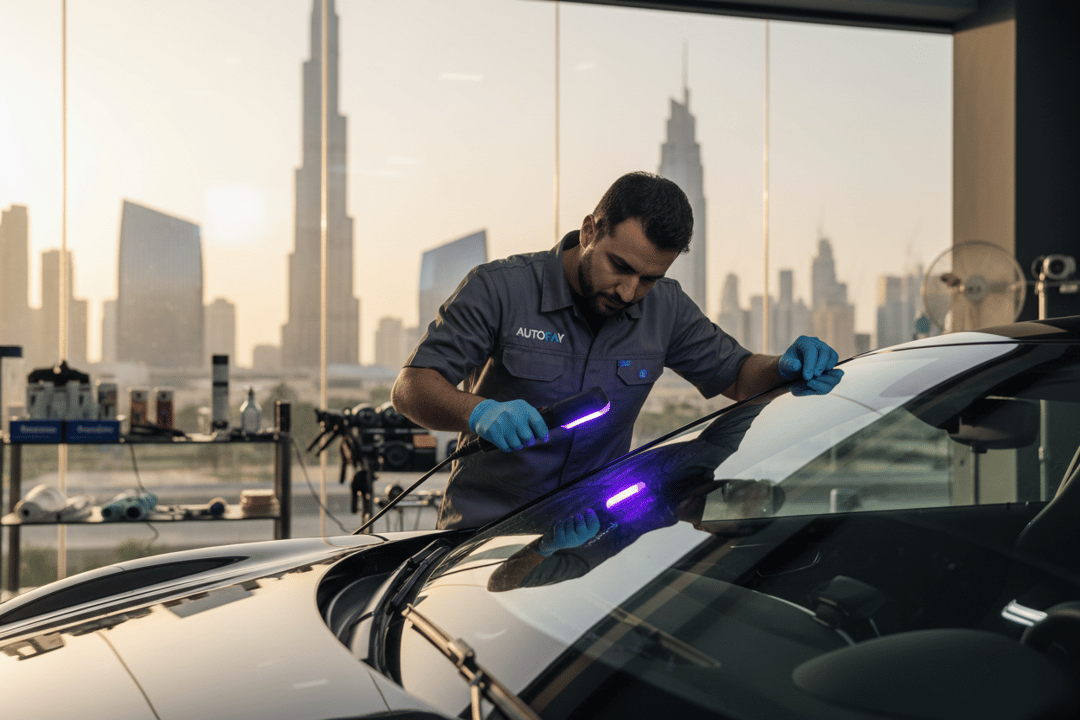
Inspecting a used SUV requires a keen eye for detail, particularly when assessing the lighting systems. In the United Arab Emirates, where high-speed highways intersect with desert environments, vehicle lighting is not merely a cosmetic feature but a critical safety component. High beams must cut through dust and sand, while tail lights must be visible from significant distances to prevent rear-end collisions. A professional inspection, such as those provided by AutoFay, evaluates these systems to ensure they meet operational standards before the vehicle changes hands.
Headlight Integrity: Beam Patterns and Lenses
The headlight assembly is the primary source of illumination for the driver. On SUVs, which often have higher seating positions, ensuring the beam pattern is correct is vital for illuminating the road ahead without blinding oncoming traffic. Inspectors must verify that the high-beam cut-off is sharp and positioned correctly relative to the vehicle's chassis. A misaligned beam can scatter light into the eyes of other drivers, creating immediate hazards on busy highways.
Additionally, the physical condition of the headlight lenses is a major indicator of the vehicle's age and maintenance history. Prolonged exposure to the intense UV radiation and heat of the UAE climate causes polycarbonate lenses to yellow or become hazy. This opacity significantly reduces the light output, forcing the driver to rely more heavily on the vehicle's electrical system to achieve adequate visibility. Inspectors check for any external scratches that might scatter light unevenly, which can also distort depth perception at night.
One of the most common issues found in older SUVs is internal condensation or fogging within the headlight unit. This happens when the seal around the headlight housing deteriorates, allowing moisture to enter. While a small amount of fog might evaporate with the vehicle's heat, persistent moisture indicates a breach in the integrity of the seal. If left untreated, moisture promotes the corrosion of internal wiring and the deterioration of the reflector, potentially leading to a total headlight failure.
- Lens Degradation: Yellowing or clouding reduces light transmission efficiency.
- Seal Integrity: Cracks or gaps in the housing allow moisture ingress.
- Reflector Condition: Oxidation on the metal reflectors causes dim light output.
Turn Signals and Brake Light Clusters
On SUVs, the rear lighting clusters are often more complex than those of sedans, comprising multiple bulbs for different functions. This complexity increases the surface area for potential failure. Turn signal functionality is checked not just to ensure the bulb is lit, but to verify the speed of the flash. A rapid blink rate often indicates a loose connection or a failing bulb, while a slow blink rate can point to a high-resistance connection that may result in a burned-out fuse during a drive.
Brake lights are perhaps the most critical safety lights on any vehicle. In an SUV, where the rear overhang is longer, the brake light cluster must be positioned high enough to be seen by drivers in smaller vehicles following behind. Inspection involves a visual check of all bulbs within the cluster, including the central high-mounted stop light. A failure here often goes unnoticed by the driver until a traffic stop results in a collision with the vehicle in front.
Inspectors also assess the plastic housing of the rear lights. UV degradation affects the clear plastic cover the same way it does the headlights, causing the tail lights to fade from bright red to a dull, dark red. A faded tail light reduces the contrast between the illuminated light and the dark background, making it harder for following drivers to distinguish a stopped vehicle from a stationary object like a road sign or a fuel tanker.
| Light Component | Inspection Focus | Potential Risk of Failure |
|---|---|---|
| Headlights | Beam alignment, lens transparency | Reduced visibility in dust; dazzles oncoming traffic |
| Turn Signals | Flash rate consistency, bulb function | Confusion regarding intended maneuver; traffic violation |
| Tail Lights | Clarity, cluster alignment | Increased risk of rear-end collision |
The Impact of Environmental Factors
The UAE climate presents unique challenges for automotive electrical systems and lighting components. The extreme heat accelerates the aging process of rubber seals and the plastic compounds used in light housings. Over time, the heat warps the housing, causing misalignment of the internal reflectors. This misalignment means that even if the bulb is functioning perfectly, the light is directed sideways rather than down the road, rendering the headlight useless.
Sand and dust are the other major adversaries. Fine particles can infiltrate the vents of the headlight housing. While modern headlight assemblies are generally sealed, older models or those with minor cracks often suffer from sand ingress. This abrasion can scratch the internal reflectors and fog the lens from the inside out. Furthermore, sand can enter the socket area, causing corrosion on the electrical contacts, which leads to intermittent power delivery—lights that flicker on and off while driving.
Electrical wiring harnesses located near the headlight and tail light assemblies are also susceptible to heat-related failure. The insulation on the wires can harden and crack due to thermal cycling, exposing the copper conductors. A short circuit in this area can blow fuses rapidly or, in severe cases, cause minor burning smells and smoke. Inspectors look for signs of melted plastic or discoloration around the light sockets as evidence of past overheating.
Consequences of Neglected Lighting
Driving with malfunctioning lights carries legal and safety implications that extend beyond the vehicle's mechanical condition. In the UAE, vehicle registration requires that all lights be in working order. A vehicle found to have non-functional lights during a roadside inspection will fail its registration process, resulting in fines and the requirement to repair the vehicle before it can be driven legally.
From a safety perspective, the absence of a working brake light or a dim headlight increases the statistical probability of a collision. The perception of distance is diminished, and reaction times for other road users are reduced. For an SUV owner, this risk is compounded by the vehicle's size; a "fender bender" becomes a "fender bender," and a minor rear-end collision can result in significant structural damage to the rear bumper and axle due to the increased weight of the vehicle.
Furthermore, the resale value of a used SUV is negatively impacted by poor lighting systems. Potential buyers are reluctant to purchase a vehicle that requires immediate investment in electrical repairs. A documented inspection that highlights these issues allows the buyer to negotiate the price down or request a pre-purchase discount, ensuring the transaction reflects the true value of the vehicle.
Comprehensive Inspection Methodology
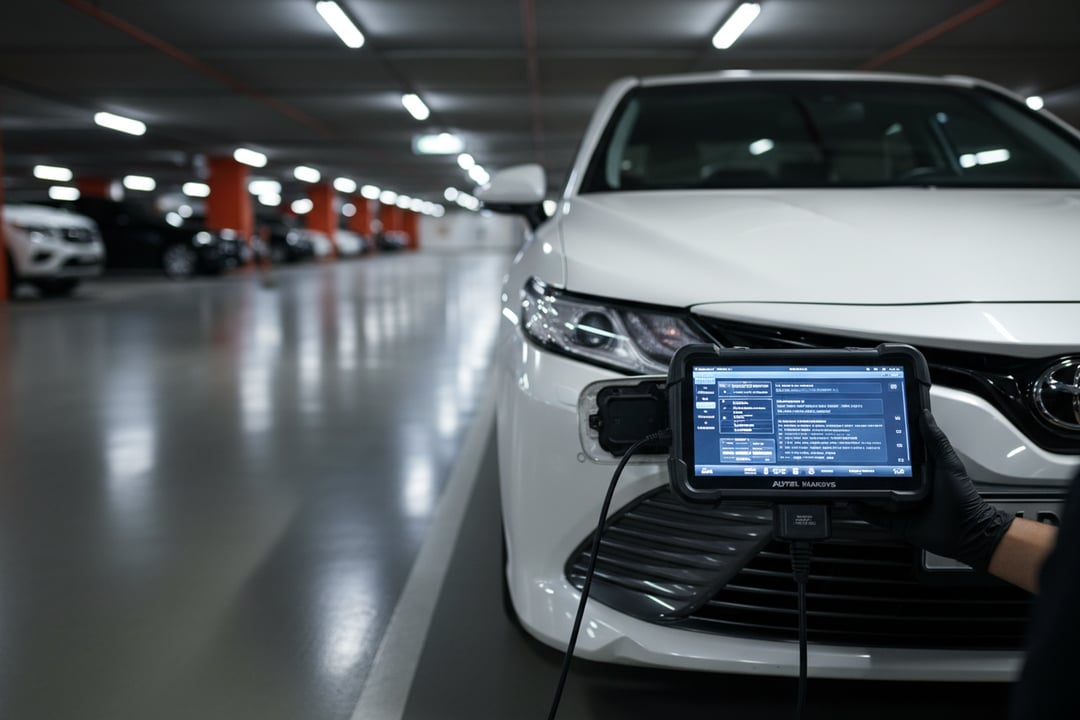
A professional inspection goes beyond a simple visual check of the bulbs. It involves testing the electrical system to ensure that the relay and fuse associated with the lighting circuits are functioning correctly. A relay that is about to fail will often cause the lights to dim or flicker during heavy electrical loads, such as when the air conditioning is running at maximum capacity. AutoFay inspectors test these systems to predict future component failures.
For vehicles equipped with xenon or LED lighting, the inspection includes checking the ballasts and drivers. These components are sensitive to voltage fluctuations and heat. A failing ballast may cause the lights to flicker intermittently or turn off completely without warning. Inspectors verify that the mounting points of these components are secure, as vibration from the engine can loosen the bolts over time, leading to shorts.
Alignment is another technical aspect covered during a thorough inspection. Modern headlight alignment is adjusted using laser technology, but many older SUVs still rely on manual adjustments. Inspectors ensure that the vertical and horizontal aim of the lights meets the regulatory standards specified by the Emirates Authority for Standardization and Metrology (ESMA). Misaligned lights can be repaired easily, but the cost of ignoring the issue is a compromised safety standard.
When purchasing a used SUV, relying on a comprehensive inspection is the most effective strategy to uncover hidden faults. The complexity of modern lighting systems requires specialized knowledge to diagnose issues correctly. A detailed report provides transparency, ensuring that the buyer is not taken advantage of by a seller who claims the vehicle is road-ready.
AutoFay inspects 410+ checkpoints with HD photos and PDF report. Book at autofay.ae or call +971542584458.


0 Comments
No comments yet. Be the first to share your thoughts!