

The UAE’s arid climate and high-contrast environments demand a mechanical integrity that exceeds standard passenger vehicle expectations. Used pickup trucks in the region frequently endure harsh off-road conditions, heavy loads, and prolonged exposure to intense UV radiation. Consequently, the exterior lighting systems on these vehicles are subject to accelerated wear and potential failure points that are less common in sedans. A compromised light system does not merely pose an aesthetic inconvenience; it represents a significant liability regarding traffic safety and regulatory compliance. For buyers and sellers alike, understanding the specific nuances of lighting inspection is essential to uncovering the true condition of a vehicle.
Environmental Factors Affecting Pickup Light Systems
The intense heat of the Arabian Desert can cause plastic housings to become brittle, while the omnipresent desert dust can degrade lens coatings, drastically reducing light output. In a pickup truck, the taller chassis often places lights at a higher mounting point, which can alter the effective beam pattern compared to lower-profile vehicles. This elevation requires a more rigorous check of the mounting brackets and wiring looms, as vibration from heavy loads can loosen these connections over time. Furthermore, the presence of a pickup bed creates a specific aerodynamic challenge, where dust accumulation on the lenses is more frequent than in enclosed cabins. Owners must understand that a "clean" exterior often masks internal fogging or subtle fractures that will eventually lead to electrical failure.
Headlight Inspection: Beam Alignment and Lens Integrity
The headlight assembly is the primary tool for long-distance visibility, and in the UAE, where long highway stretches dominate, this is non-negotiable. Inspectors must look beyond the bulb itself to the polycarbonate lens, checking for yellowing, clouding, or crazing caused by UV exposure. A degraded lens refracts light poorly, reducing effective lumens and potentially blinding oncoming traffic, which is a punishable offense under UAE traffic laws. Internal condensation indicates a seal failure, allowing moisture to enter the housing. This moisture accelerates the corrosion of the bulb contacts and can eventually mist the lens permanently. Additionally, the beam pattern must be examined; if the alignment is off, it can cause glare for other drivers or fail to illuminate the road surface sufficiently during night driving. If the headlight unit is cracked, water ingress is imminent, leading to a rapid failure of the entire electrical circuit associated with that lamp.
Turn Signal Functionality and Visibility
Turn signals provide the crucial temporal cue for surrounding traffic, allowing drivers to predict the movement of larger vehicles like pickups. In the inspection process, the flash rate is a critical diagnostic tool. A fast or slow flash rate often points to a failing turn signal relay or a high-resistance electrical fault in the circuit. Inspectors must verify that both the front and rear amber (or white-front) indicators are functioning with the correct polarity. Wiring issues are prevalent in pickups due to the frequent opening of tailgates and rear doors, which can stress the wiring harness behind the pillar. A broken wire inside the door jamb can cause intermittent flashing, leading to a dangerous situation where the signal is not visible to other road users. The bulbs themselves must be checked for filament burnout or LED diode degradation, as dim signals are easily mistaken for parking lights by following drivers.
Tail Light and Brake Light Analysis
Tail lights and brake lights operate on different circuits and wavelengths, yet they are housed together in the rear assembly. A failure in the brake light system is an immediate safety hazard, as it fails to signal deceleration to the vehicle behind. Inspectors must test each individual bulb within the rear cluster, as a single failed socket can render the entire assembly inoperative, often due to corrosion caused by water ingress from the rear window seal. The brake light intensity should be compared against the tail light; if the brake light is significantly dimmer, it signals a failing voltage supply or a weak high-wattage bulb. In pickup trucks, the rear window defroster is often integrated with the tail light wiring, meaning a faulty defroster can disable the tail lights. Furthermore, the lens clarity must be assessed to ensure the red light is penetrating the haze effectively to signal the vehicle’s presence from a distance.
Common Failure Points in Pickup Body Types
Pickup trucks are utilitarian vehicles often subjected to off-road environments, making their lighting systems vulnerable to physical trauma. The wiring looms in the engine bay and under the cab are susceptible to rodent damage, as the plastic insulation is often chewed away to access the internal copper for nesting. In the bed area, the tailgate wiring is a weak point; repeated opening and closing can fray wires at the hinge, causing short circuits that blow fuses. Additionally, aftermarket accessories such as driving lights or light bars, common on modified pickups, can introduce voltage spikes that damage the factory ECU or relay systems if they are not properly integrated. Inspectors must trace these auxiliary circuits to ensure they are not feeding power back into the factory system in a way that causes electrical instability.
Integrated Inspection Packages for Comprehensive Safety
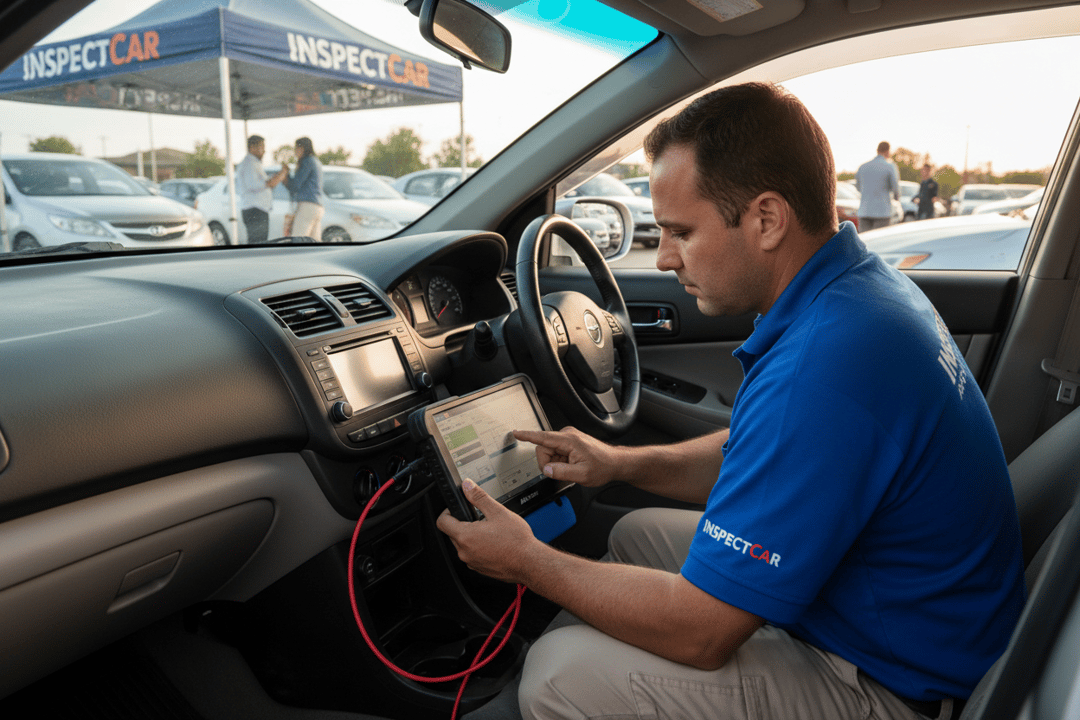
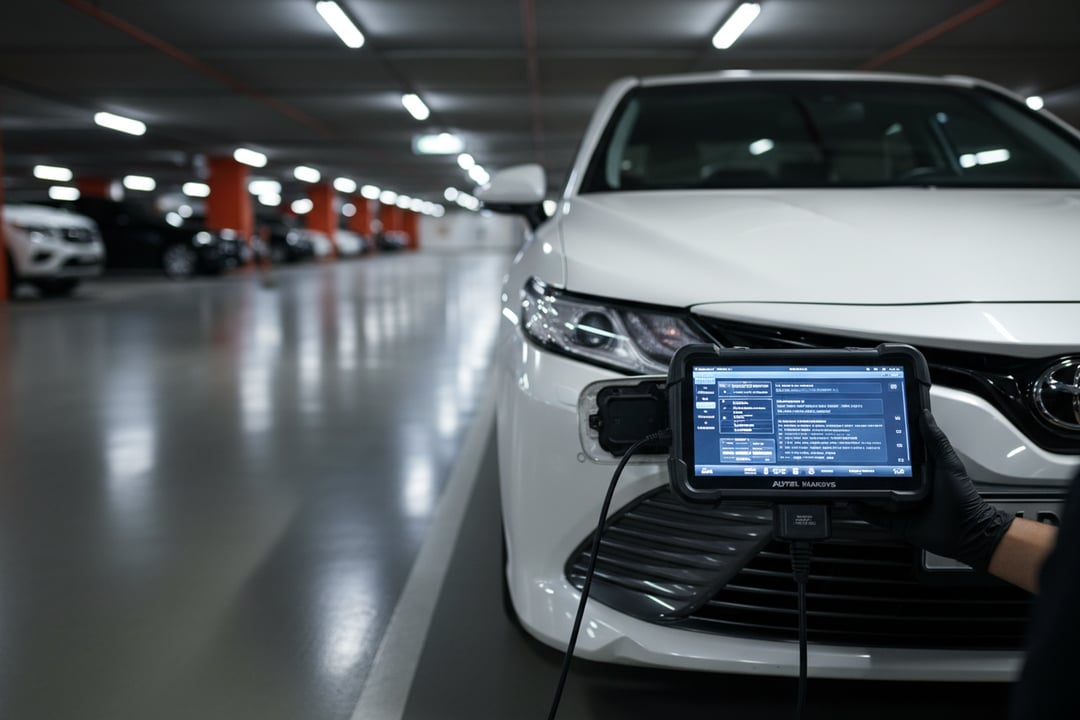
Identifying specific lighting faults requires a comprehensive diagnostic approach that goes beyond a simple visual check. A professional inspection service like AutoFay utilizes specialized equipment to test the electrical load and voltage of each circuit, ensuring that the bulbs are drawing the correct amperage and that the relays are engaging properly. The service covers over 410+ checkpoints across 25 distinct categories, ensuring that a faulty light is not a standalone issue but a symptom of a larger electrical problem. The offered packages include a Computer Diagnostic for AED 99, which scans the vehicle's onboard computer for error codes related to lighting modules and sensors. For a more detailed analysis, the Body & Computer package at AED 250 covers the visual inspection of the exterior body and electrical systems. The most thorough option, the Comprehensive package at AED 299, provides an exhaustive evaluation of the frame, suspension, engine, and all electronic systems, including the lighting architecture.
| Inspection Category | Focus Points | Relevance to Safety |
|---|---|---|
| Headlights | Lens condition, beam alignment, bulb health, moisture ingress | Ensures proper road illumination and prevents dazzling oncoming traffic |
| Turn Signals | Flash rate, wiring integrity, ground connections, bulb function | Verifies communication with other road users regarding vehicle direction |
| Tail & Brake Lights | Cluster function, voltage levels, rear window seal integration | Crucial for signaling deceleration and vehicle presence to following traffic |
| Electrical Wiring | Harness integrity under the hood and in doors/cabin | td>Identifies corrosion, rodent damage, or short circuits causing failures|
| Auxiliary Lights | Mounting security, wiring integration, proper grounding | Prevents detachment during driving and avoids electrical system overloads |
Relying on visual checks alone often misses the complex electrical dependencies that keep a pickup truck's lighting system operational. The consequences of neglecting a flickering signal or a dim brake light extend beyond mechanical failure; they invite traffic violations, insurance claim disputes, and potential accidents. AutoFay inspects 410+ checkpoints with HD photos and PDF report. Book at autofay.ae or call +971542584458.


0 Comments
No comments yet. Be the first to share your thoughts!