
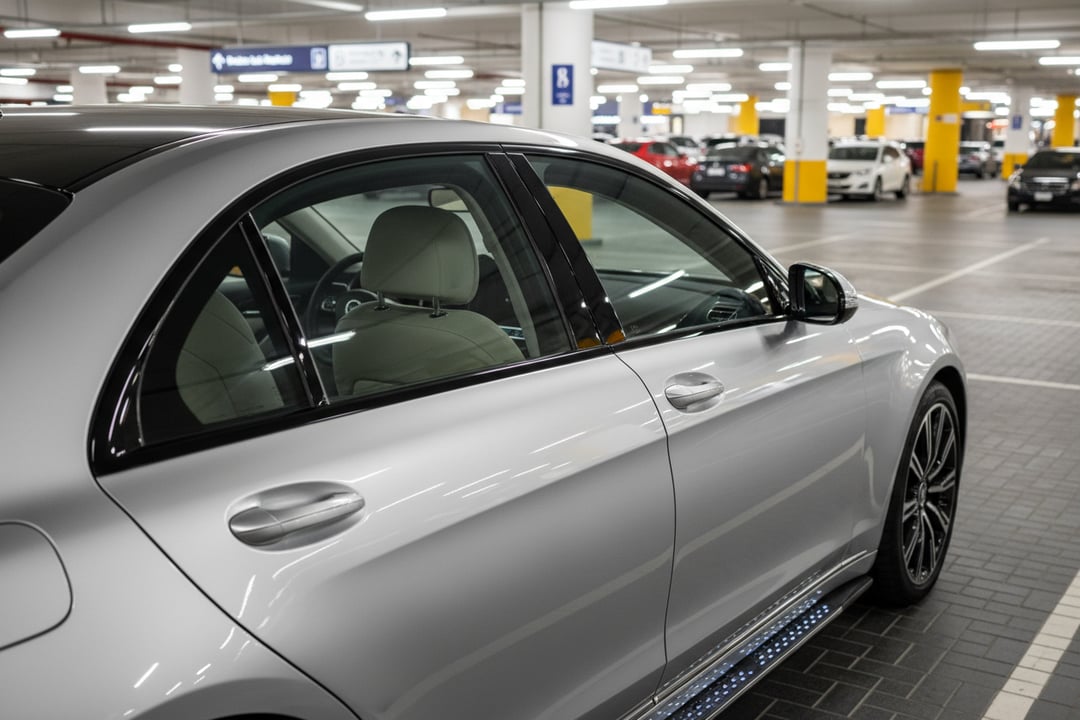
The UAE’s unforgiving desert climate subjects used vehicles to extreme UV radiation, abrasive sand, and rapid temperature fluctuations. For prospective buyers of used sedans, the exterior is often the first point of evaluation, yet it is frequently the area most compromised by neglect. A vehicle's exterior features are not merely cosmetic additions; they are critical safety components that directly influence visibility, vehicle access, and structural integrity. Unlike the engine or transmission, which operate out of sight, exterior equipment endures the elements daily. A professional inspection moves beyond surface-level aesthetics to scrutinize the functionality and condition of these exposed systems. At AutoFay, we understand that a used sedan’s value is tied to the reliability of its external components.
Wiper Blade Integrity and Visibility Safety
Visibility is paramount in the UAE, especially during sudden heavy rains or during the notorious summer dust storms. The wiper system, though simple in design, is prone to degradation due to constant friction and sun exposure. Old wiper blades do not simply fail to wipe; they compromise the driver’s ability to react to hazards. A experienced inspector examines the rubber squeegee for signs of hardening, cracking, or splitting caused by ozone degradation. If the rubber has lost its flexibility, it will not conform to the curved windshield, resulting in a smear rather than a clear view.
Inspectors also check the metal linkage and pivot points to ensure smooth movement without any binding or "chatter" during the wipe cycle. A wiper arm that is loose or has excessive play can skip across the glass, creating a blind spot directly in the driver's line of sight. Furthermore, the condition of the wiper blades often indicates the cleanliness of the windshield. If the rubber is coated in a layer of grit from the road, it serves as an abrasive that scratches the glass over time. Replacing wiper blades is a low-cost maintenance task, but failing to address worn blades increases the risk of hydroplaning and reduces braking distance in wet conditions.
- Rubber Hardening: Check for a glossy, dry texture on the rubber edge, indicating UV damage and loss of flexibility.
- Crazing and Cracking: Inspect for microscopic fissures in the rubber compound that lead to streaking and water retention.
- Pivot Wear: Ensure the wiper arm moves freely without squeaking or scraping against the windshield frame.
Assessing Power Tailgate Functionality and Safety Mechanisms
The power tailgate is a convenience feature that adds significant complexity to the vehicle’s electrical and hydraulic systems. In a used sedan, this mechanism is often subjected to frequent opening and closing, leading to wear on the gas struts, sensors, and latch assemblies. A critical inspection point involves the gas struts that lift the heavy tailgate. If the struts are old or leaking, the tailgate will not stay open in the desired position. This forces the driver to hold the door manually, which can lead to sudden drops that pinch fingers or slam against the rear bumper, causing cosmetic damage.
Modern sedans utilize proximity sensors and anti-pinch systems to prevent injury when closing the tailgate. During an inspection, the operation of these sensors is tested to ensure they detect obstacles correctly. A malfunctioning sensor can bypass safety protocols, posing a risk to passengers or pets in the cargo area. Additionally, the weather stripping and hydraulic seals are examined for cracks, as a compromised seal allows dust and water ingress into the trunk, potentially damaging stored electronics or spare tires. The latch mechanism must also be checked for rust, as corrosion can prevent the tailgate from securing properly, rendering the vehicle unsafe for highway driving.
| Component | Inspection Focus | Potential Consequence of Failure |
|---|---|---|
| Gas Struts | Compression strength and seal integrity | Tailgate slams shut or fails to stay open |
| Proximity Sensors | Response time and obstacle detection | Facial injury or trapped fingers during closure |
| Hydraulic Seals | Condition of rubber weather stripping | Water damage to cargo area and rust formation |
Running Boards: Structural Attachment and Suspension Impact
Running boards are a less common feature on standard sedans but may be found on lifted luxury models or modified vehicles. While they aid in vehicle access, they are add-on components that can compromise the structural rigidity of the chassis if not installed correctly. An inspector looks for signs of welding inconsistencies or mismatched paint, which suggest the running boards were added post-manufacture or following an accident. The mounting points are subjected to high stress every time the vehicle enters a driveway or parking space.
Loose or broken mounting brackets indicate that the weight of the running board is no longer being transferred to the vehicle's frame but is instead resting partially on the chassis bolts. This can lead to metal fatigue and eventual detachment of the component while the vehicle is in motion, creating a severe safety hazard. Furthermore, running boards alter the vehicle's ground clearance. In the UAE, where speed bumps and uneven terrain are common, a lowered running board can scrape against the road surface, damaging the board itself and potentially damaging the undercarriage or exhaust system. Inspectors verify that the running boards do not interfere with the tire sidewalls or the suspension geometry.
Integrating Exterior Features with Comprehensive Inspection Packages
While inspecting wiper blades, tailgates, and running boards provides insight into the vehicle's history, these features must be viewed in the context of the car's overall condition. A vehicle with pristine exterior features may hide underlying issues related to panel alignment or frame damage. For example, a misaligned hood or door often results from an impact that could have also damaged the running board mounts or tailgate hinges. Conversely, a vehicle with aggressive modifications might have wiring issues that affect the electrical components of the tailgate.
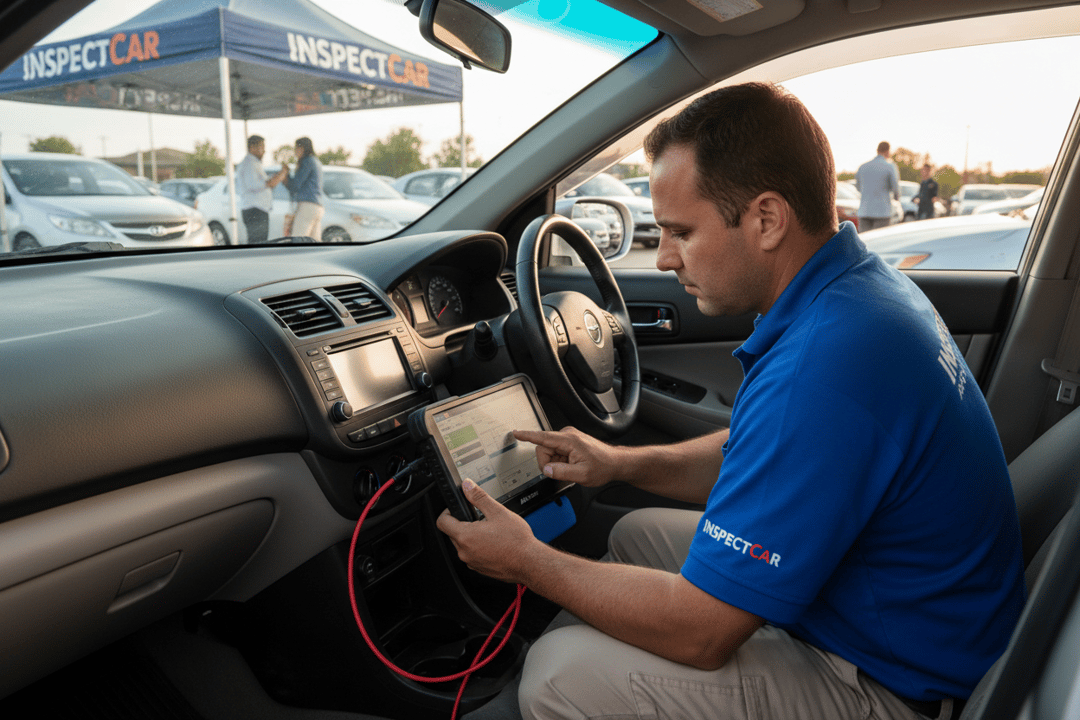
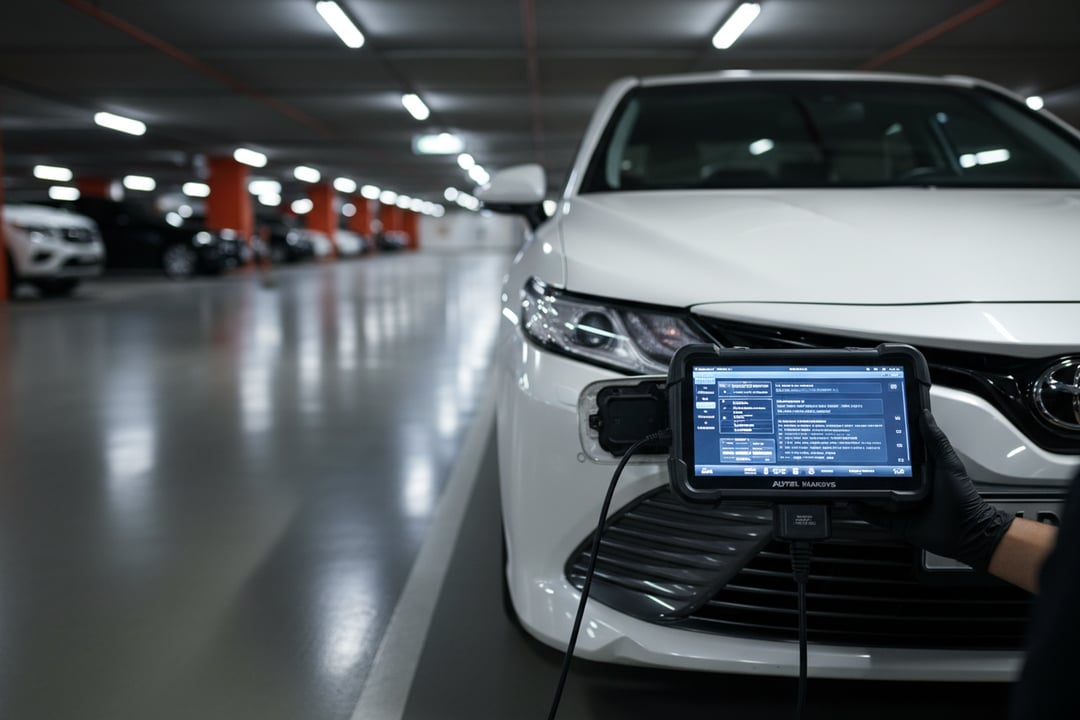
At AutoFay, our inspection methodology connects these specific exterior checks with our broader categories. We utilize computer diagnostics to scan for fault codes related to the tailgate electrical system and body control modules. Our Computer Diagnostic AED 99 package is an excellent starting point to identify electronic failures, while our Body & Computer AED 250 and Comprehensive AED 299 packages offer a deeper dive. The comprehensive package includes a panel-by-panel analysis to determine if the paintwork and body panels are original or the result of repairs, ensuring that running boards and tailgates are securely attached to structurally sound metal rather than filler.
Our inspections operate across all 7 Emirates, allowing you to have a experienced expert inspect the vehicle at the location of your choice. Whether you are purchasing from a private seller in Dubai or a dealership in Abu Dhabi, a professional inspection provides the necessary documentation to validate the condition of these critical exterior features. We provide HD photos and a detailed PDF report that highlights any discrepancies found during the assessment.
AutoFay inspects 410+ checkpoints with HD photos and PDF report. Book at autofay.ae or call +971542584458


0 Comments
No comments yet. Be the first to share your thoughts!