

Purchasing a pre-owned luxury vehicle in the United Arab Emirates requires a granular approach to inspection. Buyers often focus on engine performance and interior leather quality, yet the exterior features define the user experience and dictate long-term maintenance costs. The exterior is not merely a protective shell; it houses critical safety mechanisms and convenience systems that are frequently complex and expensive to repair. A thorough inspection of specific luxury exterior components reveals the true mechanical health of the car. These features, while designed for elegance and ease of use, rely on intricate mechanical linkages and electronic sensors that are prone to degradation. Identifying these faults before purchase prevents unexpected downtime and expense.
Wiper Blades: Visibility and Safety Assessment
Wiper blades are often the first exterior component to fail on a vehicle exposed to the intense UAE sun. The rubber compounds used in luxury vehicles degrade rapidly due to UV radiation and extreme temperature fluctuations. A visual inspection is the first line of defense. Inspectors must check for cracks, splits, or hardened rubber edges that indicate imminent failure.
- Streaking and Chattering: A properly functioning blade should clear the glass in a single, smooth motion. Streaks or squeaking noises indicate that the rubber is no longer conforming to the curvature of the windshield. This compromises visibility during critical driving conditions.
- Physical Integrity: Inspect the metal frame for corrosion, particularly at the connection points. Corroded pivot pins will cause the blade to stick or vibrate, leading to uneven wear on the windshield glass.
- Sensor Integration: In modern luxury vehicles, wipers are linked to rain sensors. If the wipers operate erratically or trigger randomly, it suggests a faulty rain sensor or a misalignment in the wiper motor linkage. This electronic fault can lead to system malfunctions that trigger warning lights on the dashboard.
Driving with compromised wiper blades constitutes a significant safety hazard. The consequence of neglecting this component is not merely a failed windscreen, but potential driver distraction. Replacing wiper arms and blades is a relatively minor repair, but the underlying issue of a failing motor or sensor connection requires deeper investigation. A used luxury vehicle may hide a complex electrical fault behind a simple looking wiper issue.
Power Tailgate: Mechanics and Electronic Control
The power tailgate is a signature feature of luxury SUVs and crossovers, offering convenience and a premium feel. However, this feature is one of the most mechanically complex systems on the exterior. It combines heavy-hitting mechanical hydraulics with sensitive electronic sensors and proximity receivers. Failure of this system renders the rear of the vehicle inaccessible, affecting the vehicle's utility and resale value.
The primary inspection point is the movement of the tailgate. When the button is pressed, the gate should lift smoothly and evenly. An uneven lift suggests a failure in the gas struts or hydraulic mechanisms. The struts bear the full weight of the tailgate; if one fails, the other must compensate, accelerating its own wear and eventually leading to a complete system collapse. The consequence of a failed strut is a heavy, unmanageable tailgate that poses a safety risk to the driver's fingers.
- Sensor Calibration: Modern tailgates utilize obstacle sensors to prevent closure on objects or people. If the tailgate closes abruptly upon detecting an obstruction, or fails to close properly, the sensors or the control module may be misaligned. Calibration is required, but if the electronics are faulty, the tailgate may simply refuse to operate.
- Electric Motor and Actuators: Inspect the motor housing for heat or unusual noises during operation. A failing motor draws excessive current, which can stress the vehicle's fuse box and wiring harness. This is a common point of failure that leads to electrical gremlins in other systems.
- Latch Alignment: The tailgate must close flush with the body. Misalignment causes the latch to engage with force, potentially bending the mounting points over time. This leads to water ingress into the rear cabin and trunk.
Running Boards: Structural Integrity and Corrosion
Running boards are exclusive to specific luxury body types, such as large SUVs, crossovers, and vans. While they serve a practical purpose by lowering the step height, their primary role is aesthetic. In the UAE environment, where high humidity and road salt (from coastal areas) are prevalent, running boards are highly susceptible to corrosion.
The inspection must focus on the mounting brackets and the frame of the running board itself. The brackets connect the board to the vehicle's rocker panels. If the screws or bolts are rusted, the board may wobble. A loose running board is not just an annoyance; it can detach from the vehicle while driving, creating a dangerous obstruction for following traffic.
- Rust and Oxidation: Inspect the underside of the running board and the mounting screws. Surface rust is common, but flaking rust indicates that the structural integrity of the mount is compromised. The consequence of this is the board falling off, which can damage the vehicle's paintwork and create a severe road hazard.
- Surface Damage: Check for dents, scratches, or signs of impact. Running boards take a beating from door dings and low-speed parking accidents. Deep scratches expose the metal to the elements, accelerating rust formation.
- Electronic Integration: Some high-end running boards feature LED lighting or electronic retractability. If these vehicles have been involved in accidents, the wiring for these features may have been severed, leaving the lights non-functional or the board stuck in the extended position.
The Importance of a Professional Inspection Service
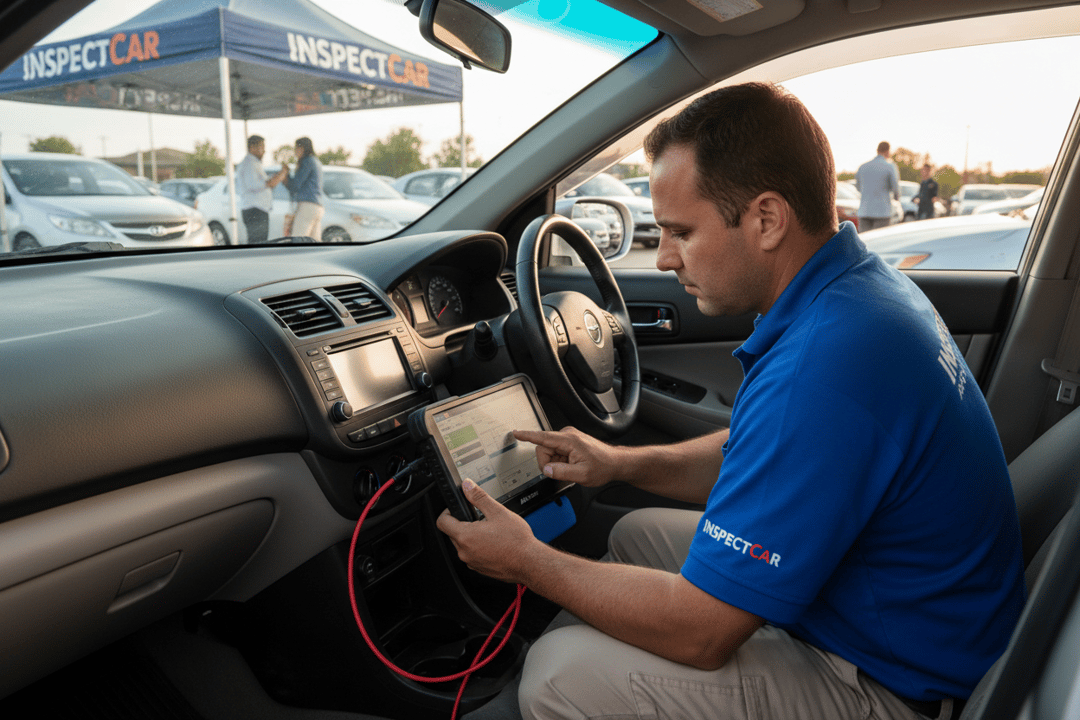
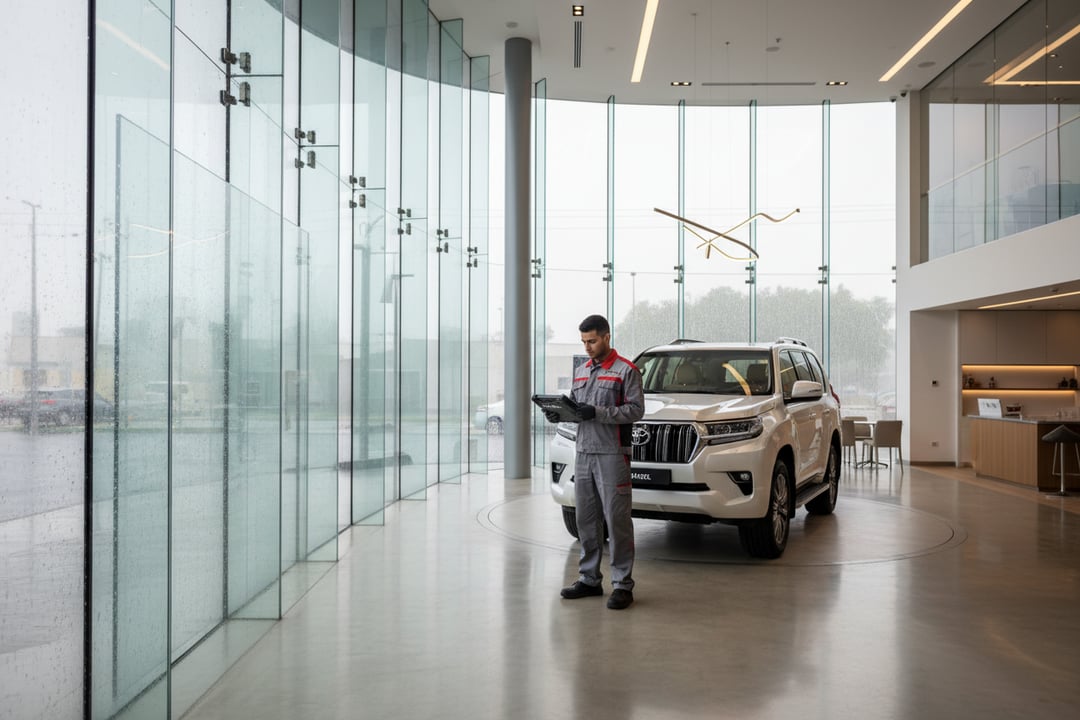
Identifying these specific defects requires a trained eye and technical equipment. A visual inspection is often insufficient to diagnose electronic faults or hidden corrosion. Relying on a basic walkthrough can lead to purchasing a vehicle with latent defects that surface weeks after the purchase. A professional inspection service provides a multi-faceted approach to vehicle valuation.
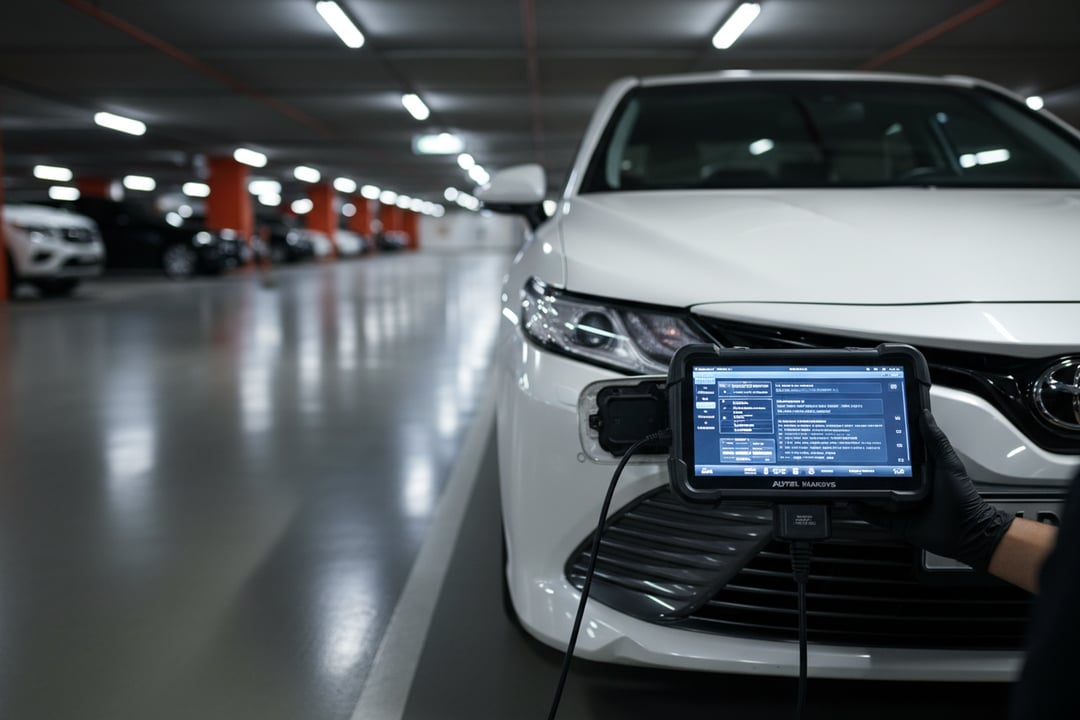
AutoFay offers a comprehensive suite of inspection packages designed to uncover hidden issues. The Computer Diagnostic package at AED 99 provides a snapshot of the vehicle's electronic architecture, checking for error codes in systems like the anti-theft module, which is often linked to the power tailgate and door locks.
The Body & Computer package at AED 250 adds detailed scrutiny to the vehicle's bodywork and paintwork. This is crucial for identifying accident damage that may have affected the mounting points of the running boards or the alignment of the suspension, which indirectly affects tailgate alignment.
For the most thorough analysis, the Comprehensive package at AED 299 is the recommended choice. This service covers 410+ checkpoints across 25 distinct categories. It includes a full road test to assess the vehicle's handling and a panel-by-panel examination of the body, frame, and paint.
| Inspection Package | Price (AED) | Service Scope |
|---|---|---|
| Computer Diagnostic | 99 | Engine, Transmission, ABS, Airbag codes scan |
| Body & Computer | 250 | Paint analysis, Panel check, OBD scan |
| Comprehensive | 399 | Full 410+ checkpoint, Road test, HD photos, PDF report |
Interpreting Inspection Data for Buyers
The data provided by a professional inspection serves as a legal and technical baseline for the transaction. When inspecting luxury vehicles, the wiring harness associated with the tailgate and running board lighting is a prime area of concern. Frayed insulation or corroded connectors can cause intermittent faults that are impossible to diagnose without a professional scanner.
Furthermore, the road test is essential for evaluating the condition of the suspension and frame. A sagging rear suspension can force the tailgate to close at an angle, stressing the latch mechanism. Similarly, uneven road surfaces can reveal if the running boards are loose or if the body mounts are damaged. These issues, while seemingly minor, are indicative of a vehicle that has suffered impact damage or has undergone poor repairs.
The Inspector comes to the vehicle offered by the inspection company ensures that the vehicle is inspected at a location convenient for the buyer, whether it is a showroom or a private residence. This flexibility is vital in the UAE, where schedules are often fast-paced. The service covers all seven Emirates, ensuring that buyers in Dubai, Abu Dhabi, and the Northern Emirates receive the same level of rigorous scrutiny.
Fluids, tires, and brakes are also part of the broader inspection context. While these are not directly related to the exterior features, their condition affects the vehicle's safety and longevity. A vehicle with worn brakes or low oil may have been driven harder, increasing the likelihood of mechanical stress on door seals and exterior trim.
Conclusion
The exterior features of a luxury vehicle, from the hydraulics of the tailgate to the resilience of the wiper blades, are integral to the ownership experience. These components are subject to specific environmental stresses in the UAE. A comprehensive inspection goes beyond surface-level aesthetics to diagnose the mechanical and electronic health of these systems. Utilizing a professional service like AutoFay ensures that every potential defect is captured in a detailed report.
AutoFay inspects 410+ checkpoints with HD photos and PDF report. Book at autofay.ae or call +971542584458.

0 Comments
No comments yet. Be the first to share your thoughts!