

The exterior of a vehicle serves as the primary interface between the driver and the environment, yet it is frequently the area most susceptible to wear, neglect, and hidden damage. When purchasing a used vehicle, buyers often focus on the interior cabin or the engine bay, overlooking peripheral accessories that play critical roles in safety, accessibility, and vehicle longevity. AutoFay inspectors prioritize these external features to ensure that every component contributes to the vehicle's overall functionality without posing a hazard to the operator or the cargo. A thorough inspection goes beyond surface-level aesthetics to reveal the mechanical health of these elements, ensuring that the vehicle's utility remains uncompromised.
Wiper Blades: Visibility and Glass Protection
Wiper blades are the first line of defense against reduced visibility during inclement weather, yet they are often replaced only when they fail completely. Inspectors evaluate the rubber compound for signs of hardening, cracking, or splitting, which renders the blade ineffective at conforming to the windshield's curvature. If the rubber is compromised, the blade will skip across the glass, leaving streaks and water pockets that significantly impair the driver's field of view during rain or car wash sprays.
Additionally, inspectors check the metal frame for rust or stress fractures that could cause the blade to detach while the vehicle is in motion. A detached wiper can inflict immediate damage to the windshield, potentially leading to a costly replacement or the need for a new glass unit. Furthermore, the inspection includes the wiper arm's attachment point to ensure it is secure and not wobbling, which would indicate a weakened pivot mechanism requiring immediate attention to prevent further structural damage to the windshield frame.
Power Tailgate: Hydraulic Integrity and Sensor Functionality
The power tailgate is a convenience feature that introduces complex mechanical components, including hydraulic struts, electric actuators, and safety sensors. Inspectors thoroughly test the lifting mechanism to ensure the struts provide adequate support to hold the tailgate open at various angles without sudden dropping or a slow ascent. If the hydraulic fluid has leaked or the seals have degraded, the tailgate may become too heavy to lift manually, rendering the vehicle inaccessible for loading cargo.
Safety sensors are another critical focus, particularly the obstruction detection systems that prevent the tailgate from closing on occupants or objects. Inspectors verify that these sensors respond accurately to obstructions placed in the closing path, preventing potential crush injuries. Failure of these sensors can result in the tailgate slamming shut with force, damaging the surrounding paintwork or breaking the glass. The inspection also includes a check for water ingress at the tailgate seal, as a compromised seal can lead to rust formation inside the rear quarter panels or trunk, compromising the structural integrity of the vehicle's rear end.
Running Boards: Corrosion and Structural Mounting
Running boards, whether factory-fitted or aftermarket, are subjected to constant exposure to road debris, salt, and moisture, making them a prime location for corrosion. Inspectors carefully examine the mounting brackets for rust, which is often the first sign of deterioration where the steel meets the paint. If the mounting bolts are loose or corroded, the running board can wobble, posing a safety risk to passengers entering or exiting the vehicle and potentially causing the board to detach while driving.
Inspectors also assess the condition of the board's surface finish; oxidation indicates that the protective coating has failed, allowing moisture to reach the metal substrate. In vehicles with under-carriage protection or side skirts, inspectors check for signs of water leakage where the running board meets the vehicle body. Water trapped under the running board or in the mounting area accelerates rust formation, which can eventually compromise the structural connection to the vehicle's chassis, necessitating a costly repair to the frame or bodywork.
Tow Hitch: Weld Quality and Receiver Integrity
The tow hitch is a heavy-duty component designed to bear significant static and dynamic loads, yet it is frequently subjected to abuse. Inspectors inspect the welds connecting the hitch to the vehicle's frame for cracks or stress fractures, particularly in high-stress areas such as the receiver tube where the ball mount slides. A cracked weld represents a significant failure point that could cause the trailer to detach while in motion, creating a severe safety hazard for the occupants of both vehicles.
The inspection extends to the receiver tube itself to ensure it is not bent, dented, or rusted through, which would prevent a secure lock engagement for the safety chain or hitch ball. Inspectors also check the bolts securing the hitch to the frame, looking for signs of over-tightening that could strip the threads or loosen the mounting points over time. If the hitch was used to pull the vehicle out of a ditch or mud, inspectors look for "frame bending" indicators, such as misalignment of the bumper or misaligned mounting holes, which can lead to alignment issues and premature tire wear.
The Value of a Professional Inspection: AutoFay Standards
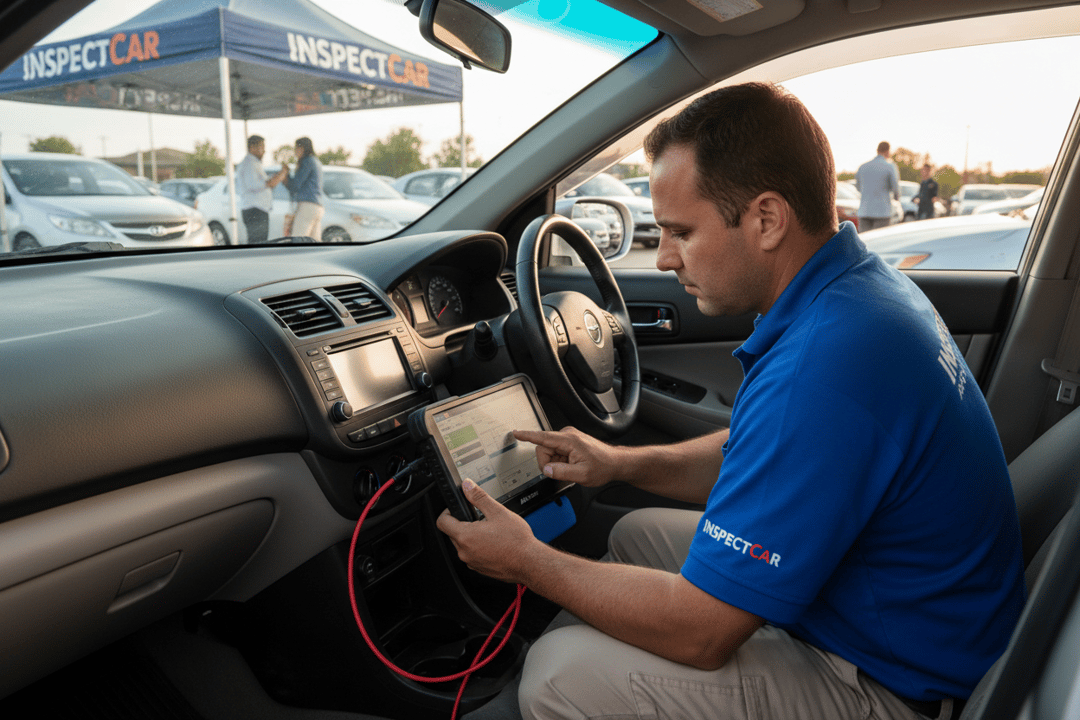
Relying on a visual inspection by a salesperson is insufficient for uncovering the mechanical realities of used vehicle accessories. The condition of wiper blades, tailgate hydraulics, running boards, and hitches often reflects the overall maintenance discipline of the previous owner. AutoFay provides a on-location inspection service across all seven Emirates, utilizing a rigorous methodology to assess over 410+ checkpoints across 25 distinct categories.
- Panel-by-Panel Paint Analysis: Distinguishing between original factory paint and touch-ups to identify accident history.
- Frame and Pillar Inspection: Checking for hidden structural damage that may not be visible from the exterior.
- Engine and Suspension Assessment: Evaluating mechanical health through sound, vibration, and fluid analysis.
- Tire and Brake Evaluation: Determining manufacturing age and wear levels, plus brake pad wear ratings.
To accommodate different needs, AutoFay offers tiered service packages designed to provide transparency without unnecessary expense. These packages allow buyers to select the depth of inspection required for their specific situation, ensuring that critical components like the exterior accessories and frame integrity are thoroughly evaluated.
| Package Name | Service Inclusions | Price |
|---|---|---|
| Computer Diagnostic | OBD scan for engine, transmission, ABS, and airbag codes. | AED 99 |
| Body & Computer | Paint analysis, body condition check, and electrical diagnostics. | AED 250 |
| Comprehensive | All previous services plus frame, engine, brakes, suspension, and fluids. | AED 299 |
Conclusion: Road Test and Fluids
The road test phase of the inspection validates the physical condition of the exterior features in real-world conditions. Inspectors listen for abnormal noises coming from the suspension or brake calipers while driving, which might be exacerbated by previous off-road damage or lack of maintenance. Fluid checks, including brake fluid and coolant, are essential to ensure that the vehicle's hydraulic systems can support the added demands of towing or carrying extra weight through accessories like running boards and hitches.
AutoFay inspects 410+ checkpoints with HD photos and PDF report. Book at autofay.ae or call +971542584458



0 Comments
No comments yet. Be the first to share your thoughts!