
The automotive landscape in the UAE is shifting rapidly, with used electric and hybrid SUVs becoming a dominant presence on the market. Unlike conventional internal combustion engine vehicles, these electrified powertrains introduce complex subsystems that require specialized knowledge to assess correctly. A generic inspection may overlook critical failures that lead to catastrophic repair costs or safety hazards. For buyers and sellers in the Emirates, distinguishing between a reliable electric vehicle and a potential lemon requires a deep dive into the vehicle's electrical architecture.
The High-Stakes Environment of EV Battery Health
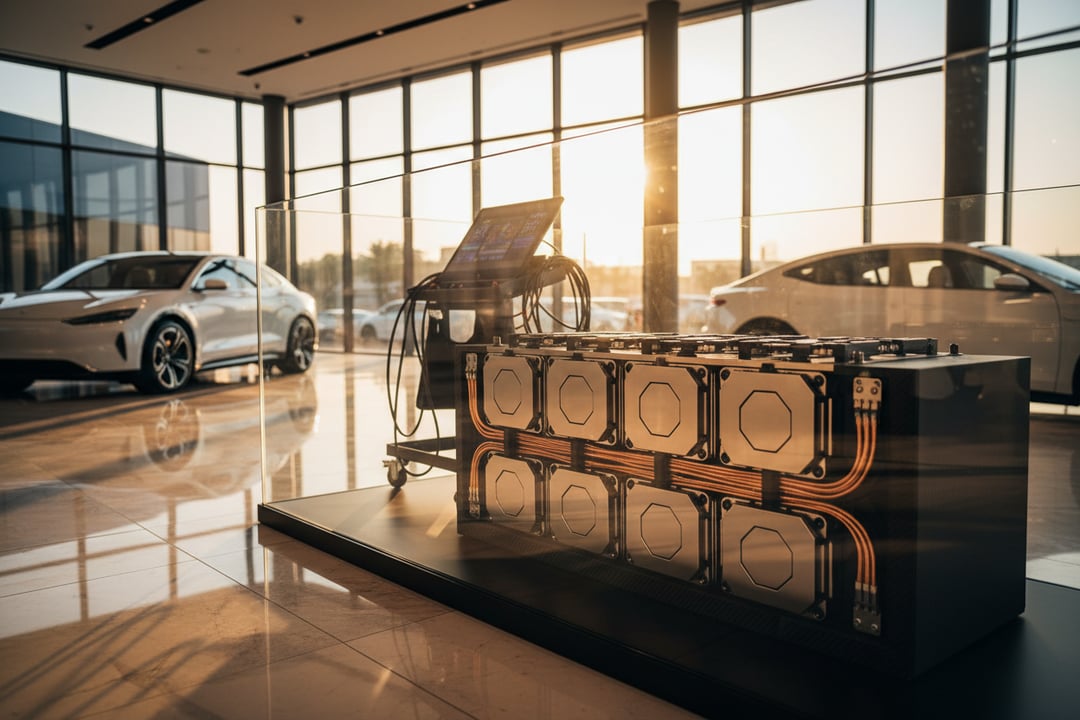
The battery pack represents the most significant investment in an electric SUV and often constitutes the highest failure point during resale. Unlike a combustion engine, which can sometimes limp home with a misfiring cylinder, a compromised energy storage system can render the vehicle immobile immediately. Inspection protocols must verify the structural integrity of the pack and the health of the Battery Management System (BMS).
In the UAE's high ambient temperatures, thermal management is paramount. A visual inspection should look for signs of coolant leaks around the battery housing, as a failed cooling system can lead to thermal runaway—a rare but dangerous condition where the battery overheats uncontrollably. Beyond leaks, inspectors must check for physical bulging, corrosion on battery terminals, or any signs of water ingress, which accelerates chemical degradation.
Consequences of undetected degradation include rapid capacity loss, meaning the SUV will have significantly reduced range than advertised. Furthermore, a failing cell can create a chain reaction affecting the rest of the pack, leading to complete system failure. This requires a full pack replacement, a procedure involving hazardous material disposal and significant labor, far exceeding the value of a used vehicle.
Physical and Software Integrity Checks
Technicians must verify that the battery cells are not compromised by impact. A collision, even minor, can misalign the pack or damage internal cells, creating a latent failure that appears months later. Thermal imaging can be employed to detect uneven heat distribution across the pack, which indicates a cell balance issue.
- Visual Examination: Inspect for physical damage, leaks, or corrosion on the battery casing and cooling lines.
- Terminals: Check for corrosion or looseness on high-voltage connections, which can cause power loss or arcing.
- Software Logging: Verify the BMS history for thermal events or charge cycles that indicate abuse.
Charging Infrastructure and Port Inspection
The charging port on an SUV is subjected to harsh environmental conditions, including desert dust, salt spray from coastal humidity, and UV exposure. This makes the connection point a frequent point of failure. The connector is typically constructed from Inconel or corrosion-resistant aluminum alloys, but the surrounding weatherproofing seals degrade over time.
An inspection must assess the condition of the charging pins inside the port. Bent or corroded pins prevent a solid electrical connection, leading to slow charging speeds or the inability to charge at all. In some cases, debris lodged in the port can cause short circuits during the charging process, posing a fire risk.
Consequences of a bad charging port extend beyond inconvenience; they often require disassembly of the front bumper to access the port, leading to expensive bodywork repairs. Additionally, a damaged charging port can cause the onboard charger to overheat as it struggles to establish a connection, leading to premature failure of the electronics responsible for managing the charge.
Regenerative Braking Mechanics in Heavy SUVs
Regenerative braking systems (RBS) convert kinetic energy into electrical energy to recharge the battery. In high-weight SUVs, the physical forces involved in stopping are greater, placing additional stress on the regeneration components. While the engine brake in a diesel SUV slows the vehicle through engine compression, an EV relies almost entirely on RBS to decelerate.
Inspectors must evaluate the wear on the brake pads and rotors, specifically looking for uneven wear patterns that indicate the regenerative system is engaging unevenly. If the regenerative braking force is too aggressive for the vehicle's computer settings, it can cause the vehicle to jerk suddenly when lifting off the accelerator, a phenomenon known as "jerkiness." This not only affects ride comfort but also indicates a calibration issue that can lead to premature wear on the anti-lock braking system (ABS) sensors.
Drivetrain and Inverter Health
The inverter, which converts DC power from the battery to AC power for the electric motor, generates significant heat. Inspectors must listen for unusual noises during deceleration and road tests, as a failing inverter can cause electrical whining or humming. Cooling lines for the inverter must be checked for leaks, as a loss of cooling fluid can lead to rapid electronic failure.
- Brake Pad Thickness: RBS creates less mechanical friction; pads may last longer, but inspection ensures the system is engaging correctly.
- Caliper Function: Verify that the calipers are not sticking, which can lead to brakes dragging and overheating.
- Drivetrain Noise: Listen for unusual sounds during acceleration and deceleration, which can indicate motor or inverter issues.
The Role of Professional Diagnostics
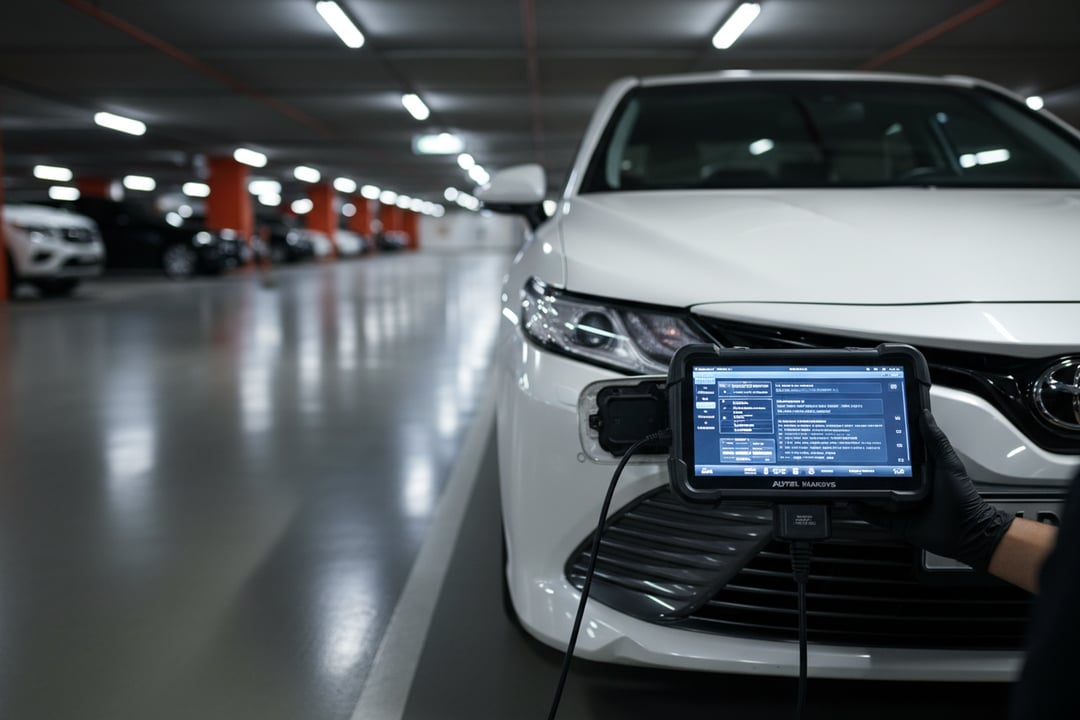
Generic OBD scanners often fail to retrieve meaningful data from electric vehicles. They may read trouble codes, but they rarely provide the deep diagnostic data required to assess the health of high-voltage systems. Specialized manufacturer software is necessary to read battery cell voltages, check the health of the traction inverter, and analyze the regenerative braking efficiency.
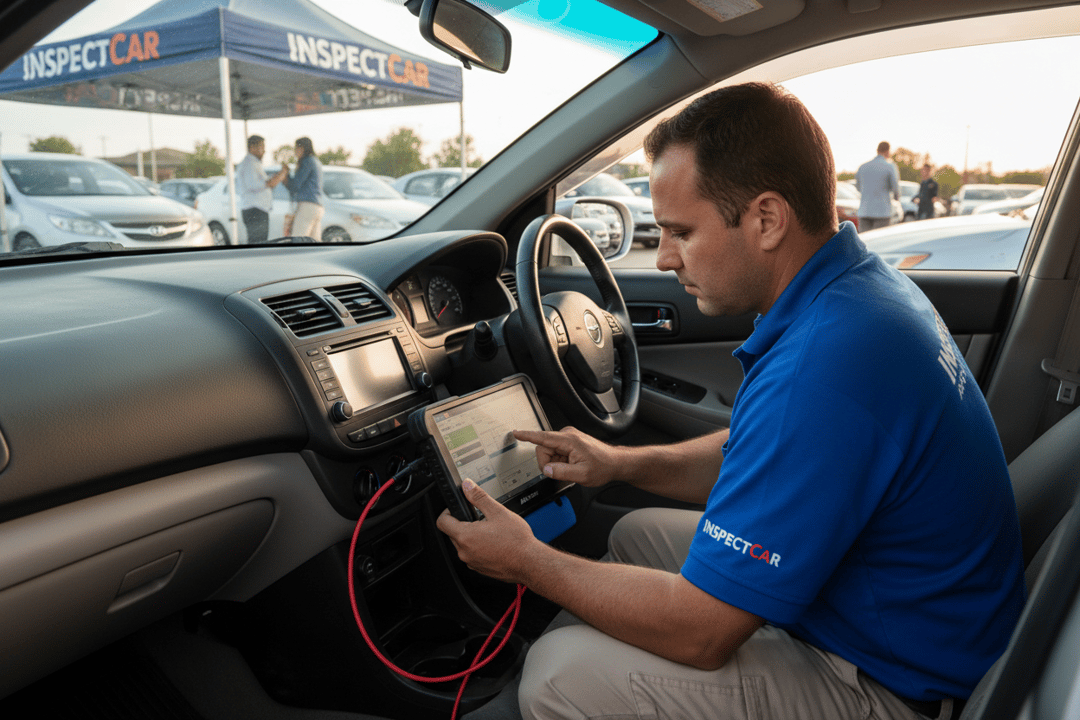
For a thorough assessment, a Computer Diagnostic scan is essential. This process reads the vehicle's computer logs for any recorded faults, such as open circuits or communication errors between the BMS and the central computer. Without this data, a seller can simply clear the codes, and the vehicle will appear operational until the fault reoccurs.
Reliance on a visual inspection alone is insufficient. Signs of overheating, such as melted wire insulation or burn marks around the inverter, are often missed by an untrained eye. Professional diagnostic equipment provides the data history required to predict future component failures before they occur.
Structural Integrity: Weight Management
EVs carry a heavy battery pack, often located in the floorpan, which alters the vehicle's center of gravity and stress distribution on the chassis. This added weight places extra strain on the suspension components and the frame rails. When inspecting a used electric SUV, the chassis must be checked for signs of fatigue or prior collision damage that could compromise the structural integrity of the battery housing.
A sagging suspension or uneven tire wear can indicate that the suspension has been overwhelmed by the weight of the battery pack. Furthermore, the battery assembly is typically integrated into the vehicle's structural safety cage. Collision damage to the frame rails or door pillars can displace the battery pack, rendering it unsafe to operate due to potential short circuits or impact vulnerability.
Comprehensive Inspection Packages
Given the complexity of these systems, a comprehensive approach is required. Standard packages often focus on body and paint, but electrified vehicles need a specialized technical review.
| Package | Key Inclusions | Price |
|---|---|---|
| Computer Diagnostic | OBD scan for engine, transmission, ABS, and airbag codes; Battery Management System (BMS) data review. | AED 99 |
| Body & Computer | Panel-by-panel body inspection for originality; Computer diagnostics; Road test for drivability. | AED 250 |
| Comprehensive | 410+ checkpoints across 25 categories; Frame integrity; High-voltage system visual inspection; Fluid levels; Suspension; Tires. | AED 299 |
The Comprehensive AED 299 package is the recommended choice for electric and hybrid SUVs. It covers the critical 410+ checkpoints necessary to validate the vehicle's condition, including the specific electrical and mechanical checks outlined above. This package includes a detailed road test to assess braking, acceleration, noise, and vibration under real-world driving conditions.
AutoFay inspects 410+ checkpoints with HD photos and PDF report. Book at autofay.ae or call +971542584458.



0 Comments
No comments yet. Be the first to share your thoughts!