

The automotive landscape in the United Arab Emirates is undergoing a rapid transformation, with electric and hybrid sedans becoming a prominent segment of the used car market. Inspecting these vehicles requires a specialized skill set distinct from traditional combustion engine analysis. The complexity of high-voltage systems, software integration, and battery chemistry demands a rigorous, multi-point inspection. For buyers and sellers in the UAE, relying on a standard visual check is insufficient to uncover latent faults. A professional inspection must focus on the electrical architecture, thermal dynamics, and mechanical interactions unique to electrified powertrains.
The Heart of the Vehicle: High-Voltage Battery Health
The High-Voltage (HV) battery pack represents the single most expensive component in any EV or hybrid sedan. Its structural integrity and chemical composition determine the vehicle’s range, resale value, and safety. During an inspection, experienced technicians must verify that the battery case is free of physical deformation, such as swelling or dents, which indicate internal cell failure.
In the UAE's fluctuating climate, thermal stress is a primary factor in battery degradation. Inspectors must check the coolant reservoirs and hoses associated with the battery thermal management system. A low coolant level or signs of coolant residue on the battery casing suggest a leak, which can lead to overheating and permanent battery damage. Furthermore, the battery management system (BMS) logs voltage levels and capacity. Without specialized diagnostic tools, these critical data points remain hidden, leaving the buyer unaware of potential capacity fade that reduces driving range.
- Physical Inspection: Look for bulges, cracks, or moisture ingress around the battery housing.
- Thermal Management: Check coolant levels and inspect hoses for hardening, cracking, or leaks.
- Cell Balancing: Ensure the BMS is functioning correctly to manage individual cell voltages and prevent over-discharging.
Infrastructure and Access Points: Charging Port and Underbody
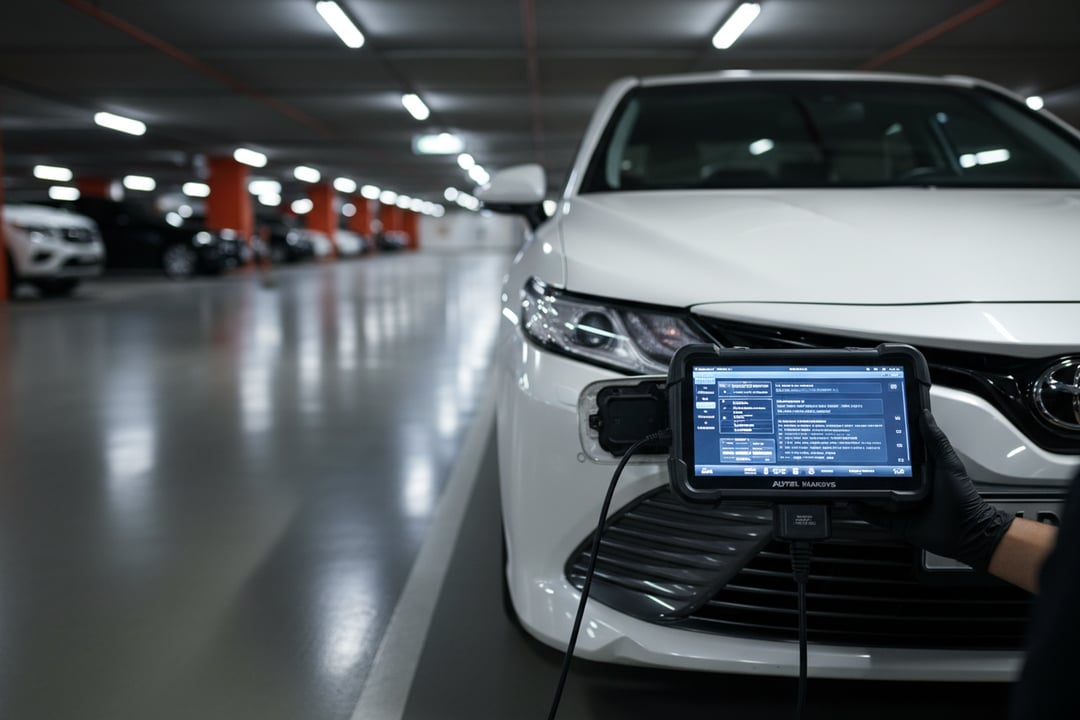
The charging port and the vehicle's underbody are critical areas prone to environmental wear in the UAE. The charging port, often exposed to dust and sand during daily commutes in Abu Dhabi or Dubai, can accumulate debris that interferes with electrical contacts. A compromised charging port may result in slow charging speeds, connection errors, or, in severe cases, an inability to charge due to short circuits.
Equally important is the underbody inspection. Unlike petrol vehicles, EVs rely on the chassis for thermal cooling and grounding. The UAE's use of road salts in coastal areas and metal grit can accelerate corrosion on the battery tray and chassis rails. Corrosion on high-voltage components creates a significant safety hazard, increasing the risk of electric shock or fire. A thorough inspection must lift the vehicle or use high-definition cameras to assess the condition of the battery tray and the integrity of the high-voltage cabling running along the floor pan.
Regenerative Braking Dynamics in Sedan Body Types
Regenerative braking is a defining feature of electric and hybrid sedans, designed to recover energy during deceleration. This system places a load on the electric motor and transmission that differs significantly from standard friction braking. During inspection, the road test must specifically evaluate the smoothness and responsiveness of the regenerative braking force.
Drivers expect a "one-pedal driving" feel where the vehicle slows predictably when the accelerator pedal is released. Anomalies, such as jerky braking, excessive shudder, or inconsistent deceleration, indicate a malfunction in the inverter, motor, or the regenerative braking software calibration. Additionally, while regenerative braking extends the life of brake pads, it does not eliminate wear entirely. The inspection must verify that the brake calipers and pads are not seized, and that the ABS sensors are functioning correctly, as the braking dynamics interact closely with the vehicle's stability control systems.
Thermal Management and Climate Control Systems
The extreme heat prevalent across the Emirates places immense stress on the thermal management systems of electric sedans. The heating, ventilation, and air conditioning (HVAC) system in an EV consumes a substantial portion of the battery capacity, especially when heating the cabin in winter or cooling it during summer.
Inspectors must verify the functionality of the cabin pre-conditioning features, which allow the user to cool the car remotely while it is parked. If this feature is non-functional, it indicates a potential failure in the high-voltage heating elements or the control software. Furthermore, the inspection should cover the thermal management of the electric motor. Overheating electric motors can cause insulation breakdown, leading to reduced efficiency and potential motor failure. Checking for abnormal noises during operation helps identify issues within the motor cooling fans or the thermal switch mechanisms.
Diagnostics and Software Calibration
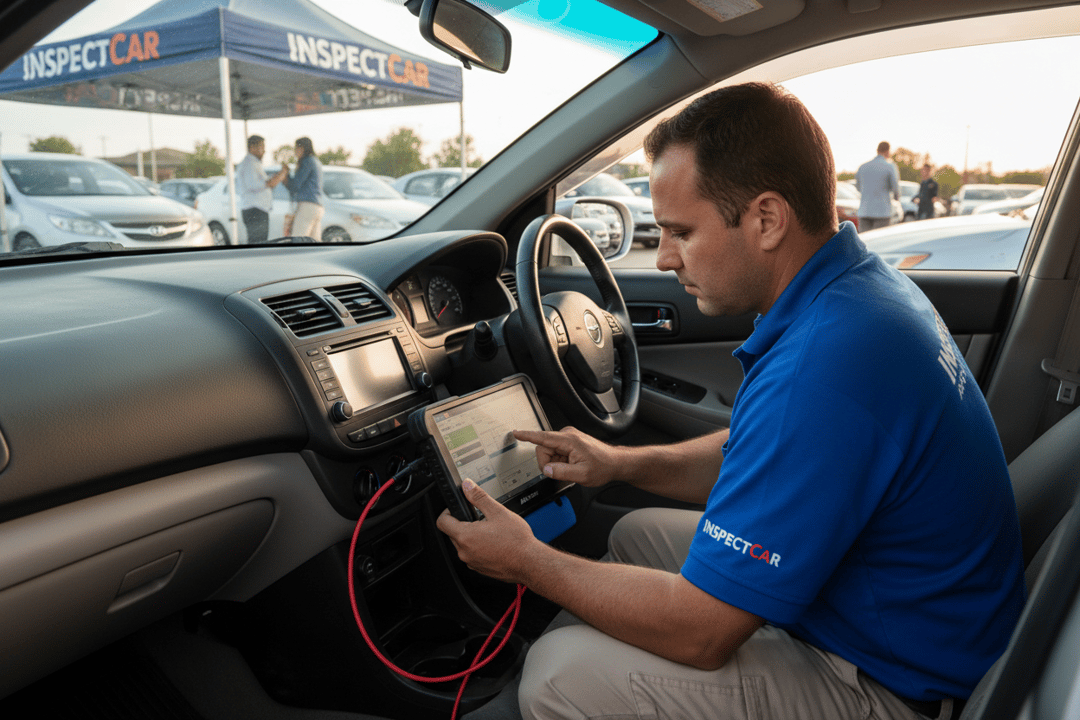
Modern electric sedans are essentially computers on wheels. The Electronic Control Unit (ECU) and the Powertrain Control Module (PCM) manage everything from throttle response to regenerative braking levels. A simple visual inspection cannot detect software glitches or calibration errors.
Diagnostics must include a scan of all modules, including the BMS, Traction Inverter, and Onboard Charger. Software updates are often required to fix bugs or improve efficiency. If the vehicle's software is outdated or corrupted, it can lead to erratic behavior, such as unexpected power cuts or failure to start. A computer diagnostic scan is the only reliable method to read these codes. For a standard engine check, the Computer Diagnostic package at AutoFay provides essential error code retrieval, but for a full vehicle overview, deeper analysis is necessary.
| Inspection Category | Key Components Checked | Recommended AutoFay Package |
|---|---|---|
| High-Voltage Systems | Battery Health, Cooling System, BMS Status | Body & Computer AED 250 |
| Powertrain & Brakes | Motor, Regenerative Braking, Brake Pads, ABS | Comprehensive AED 299 |
| Body & Frame Integrity | Charging Port, Underbody Rails, Corrosion | Comprehensive AED 299 |
| General Diagnostics | Engine Codes, Transmission Status, Airbags | Computer Diagnostic AED 99 |
Conclusion
Purchasing a used electric or hybrid sedan in the UAE requires a deep understanding of its electrical architecture and thermal requirements. The risks associated with battery failure, thermal management leaks, and software incompatibility are substantial. A comprehensive inspection must go beyond the engine bay to scrutinize the chassis, high-voltage cabling, and onboard electronics.
Professional on-location inspection services are essential for bridging the knowledge gap between the seller and the buyer. By utilizing experienced inspectors who understand the nuances of electric propulsion, stakeholders can avoid purchasing vehicles with hidden structural or electrical defects. The investment in a thorough inspection provides a factual basis for negotiation and long-term maintenance planning.
AutoFay inspects 410+ checkpoints with HD photos and PDF report. Book at autofay.ae or call +971542584458



0 Comments
No comments yet. Be the first to share your thoughts!