


The transition from internal combustion engines to electrification in the pickup truck segment represents a significant shift in the UAE automotive landscape. While the utility of a heavy-duty chassis remains unchanged, the powertrain introduces complex variables that require specialized expertise. In the region's extreme heat, the thermal management of high-voltage systems is critical for longevity and safety. Inspecting a used electric or hybrid pickup demands a forensic approach to electrical architecture and mechanical integration that exceeds standard vehicle evaluations. A experienced inspector must look beyond the dashboard to identify latent issues within the battery pack, inverter systems, and regenerative braking mechanisms.
The Electrified Pickup Challenge in the UAE Climate
The Gulf climate subjects automotive components to thermal stress that accelerates chemical degradation in batteries and accelerates wear on charging connectors. A pickup truck, often used for commercial hauling or off-road exploration, places higher demands on the electric motor and power electronics than a passenger sedan. Consequently, the inspection process must prioritize cooling system efficiency and structural integrity around the battery housing. Heat retention under the chassis can lead to thermal runaway or reduced charging efficiency, rendering the vehicle unreliable in daily operations. Understanding how the high-voltage system interacts with the heavy-duty drivetrain is the first step in a rigorous pre-purchase assessment.
Battery Health: The Heart of the Operation
The battery pack constitutes the primary cost center in any electric or hybrid vehicle, making its health the single most important factor in determining the vehicle's residual value and operational lifespan. A visual inspection is insufficient; technicians must access the Battery Management System (BMS) data to determine the State of Health (SoH). In the UAE, rapid degradation often correlates with high ambient temperatures and aggressive driving cycles common in commercial pickups. Inspectors must verify the integrity of the thermal management system, checking for coolant leaks or blockages in the liquid cooling loops that regulate cell temperatures. A compromised cooling system leads to reduced range and potential safety hazards.
- Module Integrity: Inspectors must look for physical signs of swelling, corrosion, or damage to battery modules. Swelling indicates cell degradation and failure, often requiring pack replacement.
- Safety Isolation: Verify that the high-voltage isolation resistors are functioning correctly to prevent electrical shock during maintenance procedures.
- Cell Balancing: Assess whether the BMS is effectively balancing cell voltages across the pack. Imbalances reduce overall capacity and accelerate the aging of individual cells.
Thermal Management Systems
Effective thermal regulation is the differentiator between a battery that lasts 100,000 kilometers and one that fails prematurely. In a pickup, the battery pack is often located in the bed or under the chassis, exposing it to road debris and temperature extremes. The inspection must confirm that the coolant pump, radiator, and heat exchangers are free of obstructions and leaks. A failure in the cooling system can cause the battery management system to enter a safe-mode state, drastically limiting power output and acceleration, which defeats the purpose of purchasing a high-performance pickup truck.
Charging Port and Inlet Integrity
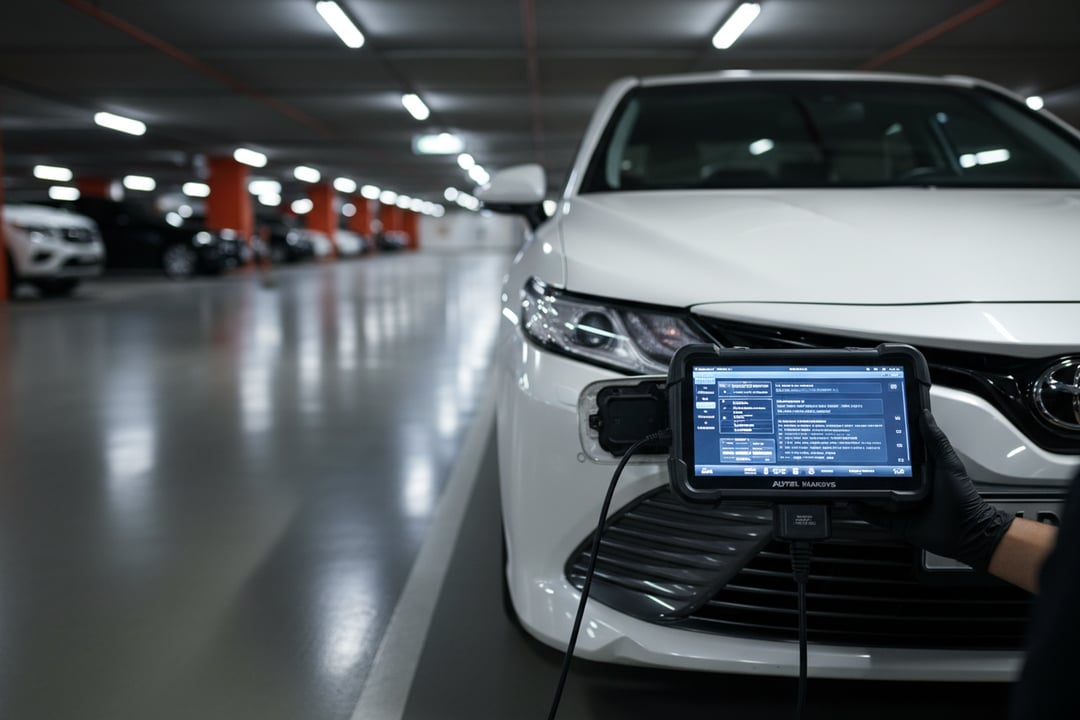
The charging port is the gateway for energy transfer and the most vulnerable component to environmental exposure in the UAE. Dust, sand, and salt mist can infiltrate the charging connector, leading to poor electrical contact and potential short circuits. A thorough inspection involves checking for bent pins, corrosion on the charging contacts, and damage to the latch mechanism. Water ingress is a common failure point; even minor moisture accumulation can cause the vehicle to display charging faults or fail to complete a charging cycle. The physical condition of the inlet reveals how the vehicle was maintained and whether it was exposed to harsh off-road environments.
Regenerative Braking and Drivetrain Dynamics
Regenerative braking converts kinetic energy back into electricity to recharge the battery, significantly extending driving range. On a heavy pickup truck, this system must be robust enough to handle substantial weight transfer during deceleration. A malfunction in the regenerative braking controller can result in a jarring sensation of hard braking, reduced control over vehicle speed, or complete loss of braking assist. Inspectors must test the response of the electric motor during deceleration to ensure the torque vectoring is smooth and predictable. A failed electric motor inverter can lead to power loss while driving, posing a severe safety risk.
- Motor Torque Response: Evaluate the instant torque delivery of the electric motor. Lags or hesitation indicate winding issues or inverter faults.
- Brake Pedal Feel: Assess the pedal feedback during regenerative braking. A spongy or non-responsive pedal indicates a hydraulic or electrical fault in the regeneration circuit.
- Transmission Integration: Ensure the electric motor and transmission are synchronized. In hybrids, improper integration can cause jerky gear shifts or overheating of the transmission fluid.
Navigating Hybrid Software Diagnostics
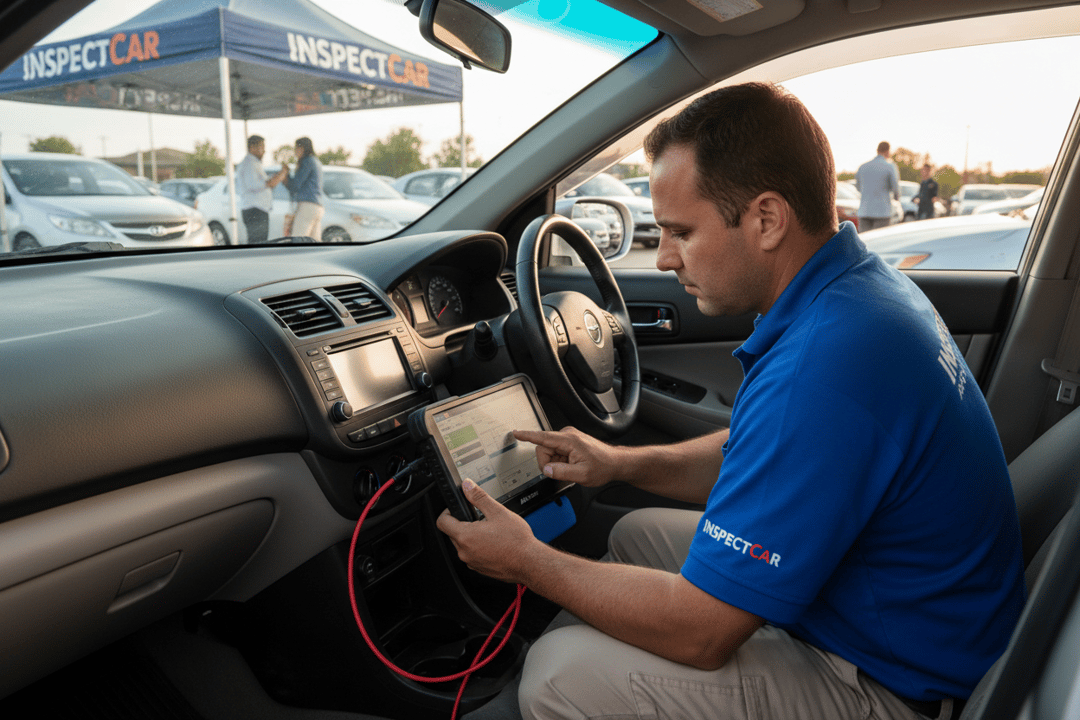
Hybrid and electric vehicles rely heavily on complex software to manage power flow between the internal combustion engine, electric motor, and battery. Standard OBD2 scanners often fail to retrieve critical error codes related to hybrid systems, transmission control modules, or inverters. A specialized diagnostic scan is required to read the hybrid control unit and transmission control unit (TCU) for stored fault codes. These codes reveal hidden failures that a visual inspection cannot detect, such as intermittent sensor faults or software calibration errors that may trigger a check engine light only under specific driving conditions.
| Inspection Package | Price | Key Focus Areas |
|---|---|---|
| Computer Diagnostic | AED 99 | Engine, Transmission, ABS, Airbag codes via OBD scan. |
| Body & Computer | AED 250 | Panel-by-panel body assessment coupled with computer diagnostics. |
| Comprehensive | AED 299 | 410+ checkpoints across 25 categories, including frame, fluids, and tires. |
Why Structured Inspection is Non-Negotiable
Purchasing a used pickup without a full technical inspection exposes the buyer to significant financial and operational risks. The resale value of electric and hybrid vehicles is heavily dependent on battery health and system functionality, which depreciate differently than mechanical parts. A professional inspection provides a detailed report highlighting the vehicle's condition, identifying potential future failures, and validating the asking price. By utilizing a service like AutoFay, buyers gain access to a on-location inspection unit capable of comprehensive evaluations across all seven Emirates. This rigorous process separates vehicles with high maintenance potential from those requiring costly repairs.
AutoFay inspects 410+ checkpoints with HD photos and PDF report. Book at autofay.ae or call +971542584458



0 Comments
No comments yet. Be the first to share your thoughts!