

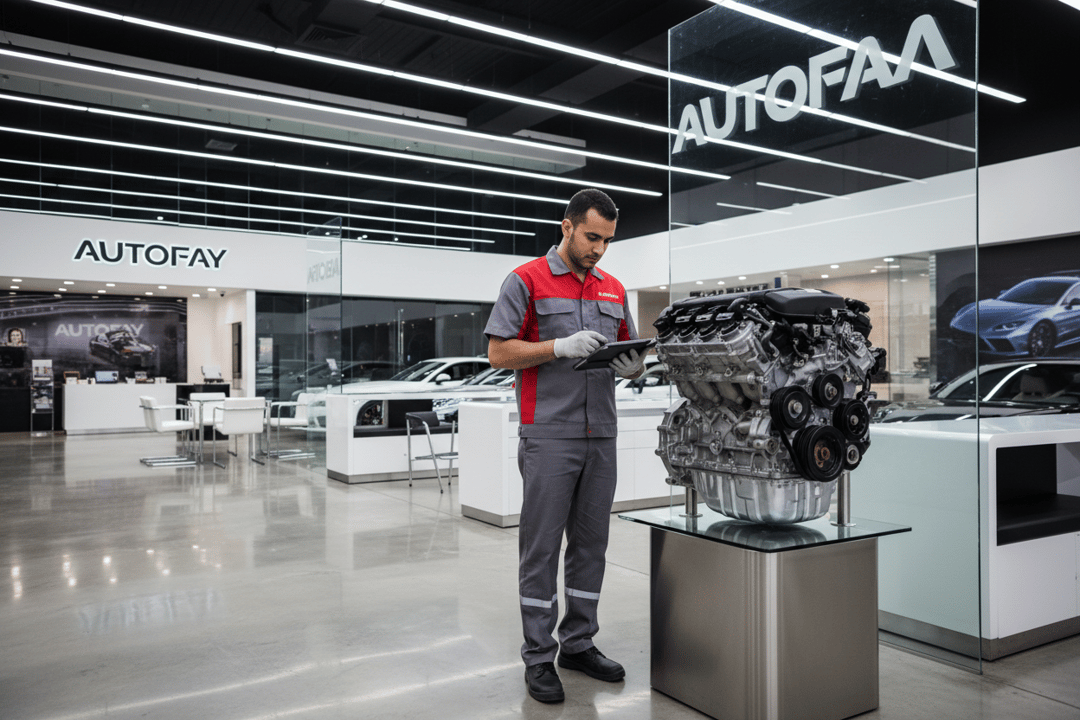
Inspecting the operational integrity of a used SUV in the UAE requires a methodology that extends beyond a simple visual assessment. The mechanical components of sport utility vehicles are often subjected to extreme thermal cycles, high loads, and abrasive desert environments, which can mask early-stage failures behind a facade of normal operation. When purchasing a pre-owned vehicle, the engine start sequence offers the first critical data point regarding the vehicle's health. A technician cannot rely on the driver's claim that the car "runs fine." Instead, a rigorous inspection protocol must be established to scrutinize the nuances of starting behavior and the subsequent stability of the engine under load. This process involves a systematic approach to diagnosing potential faults before they result in catastrophic component failure or excessive repair expenditure.
The Cold Start Sequence: First Impressions
The initial moments of ignition provide the most immediate feedback regarding an engine's condition. During the cold start test, the inspector must observe the cranking speed and the duration required to achieve ignition. A healthy engine will crank rapidly and achieve ignition within one or two revolutions of the crankshaft. A sluggish cranking speed often indicates a drop in battery voltage or a significant draw on the electrical system, which could point to a parasitic drain or a failing starter motor.
Cranking Dynamics and Battery Load
Modern SUVs are equipped with high-compression diesel engines or turbocharged petrol units that demand substantial cranking torque. If the engine hesitates to turn over, it suggests that the starter motor is struggling against internal friction or high cylinder compression. Furthermore, the sound of the starter motor should be consistent and dry; a grinding noise suggests engagement issues with the flywheel or pinion gear.
- Check the cranking speed relative to the ambient temperature.
- Listen for unusual starter motor noises during the engagement phase.
- Observe the dashboard voltage gauge stability during the start attempt.
Smoke and Combustion Analysis
Immediately after the engine fires, the exhaust emission provides vital information about the combustion process. A small puff of white smoke is normal for diesel engines during cold starts due to condensation, but this dissipates within seconds. Persistent white smoke indicates coolant burning, which points to a blown head gasket or a cracked cylinder head. Blue smoke, on the other hand, signifies burning oil, often caused by worn valve stem seals or piston rings. Black smoke suggests a rich fuel mixture, which can be traced back to faulty fuel injectors or air intake blockages.
Idle Quality and Mechanical Stability
Once the engine reaches operating temperature, the focus shifts to idle stability and mechanical harmony. The idle speed should be consistent and smooth. In modern vehicles, the engine control unit (ECU) manages idle speed, but mechanical faults can override these electronic corrections. A fluctuating idle RPM indicates a vacuum leak, a dirty throttle body, or a malfunctioning idle control valve.
Vibration and Engine Mounts
SUVs are heavy vehicles, and their engines are mounted on rubber isolators designed to dampen vibration and noise. During the idle phase, the entire vehicle should remain relatively still. Excessive vibration through the steering wheel, the dashboard, or the seats is a primary symptom of failing engine mounts. When an engine mount breaks or degrades, the engine moves excessively during the combustion cycle, transferring shock waves directly to the chassis. This not only causes driver discomfort but can also lead to accelerated wear on suspension components and drive shafts.
- Inspect the physical condition of all engine mounts for tears or fluid leakage.
- Compare vibration levels at idle to a known healthy vehicle of the same model.
- Listen for a "clunk" when shifting from Park to Drive or Reverse.
Diagnostic Scanning and Code Interpretation
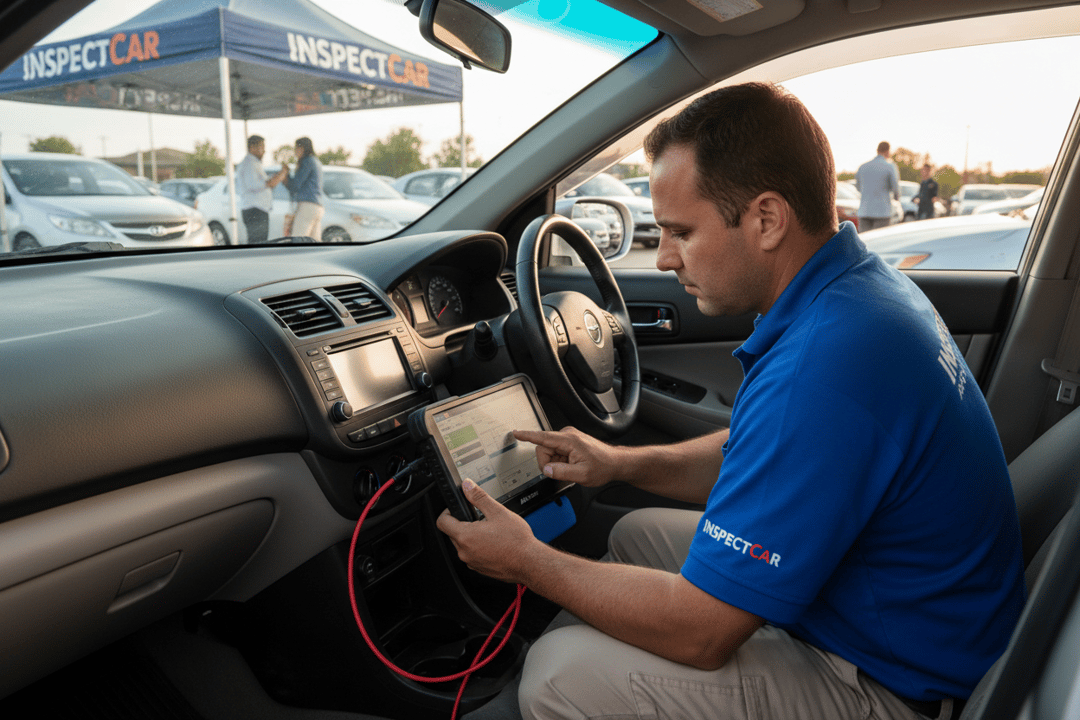
Visual inspection is often insufficient to diagnose electronic faults. The Check Engine Light, often referred to as the Malfunction Indicator Lamp (MIL), is the vehicle's way of communicating specific diagnostic trouble codes (DTCs) to the technician. A comprehensive inspection must utilize an On-Board Diagnostics (OBD) scanner to retrieve these codes. Ignoring stored codes can lead to the gradual deterioration of catalytic converters or oxygen sensors.
Common Diagnostic Trouble Codes
Different diagnostic codes point to specific subsystem failures. For example, a P0300 code indicates random misfires in one or more cylinders. This could be caused by worn spark plugs, low fuel pressure, or a vacuum leak. A P0420 code relates to the efficiency of the catalytic converter. While this code may not prevent the car from running, it indicates that the exhaust aftertreatment system is compromised, which can lead to failed emissions testing in the UAE.
| Diagnostic Code | Common Cause | Inspection Implication |
|---|---|---|
| P0300 / P0301 | Cylinder Misfire | Check spark plugs, fuel injectors, and compression. |
| P0420 | Catalytic Converter Inefficiency | Check for exhaust leaks or engine misfires causing overheating. |
| P0440 | Fuel Evaporative System Leak | Inspect fuel cap and charcoal canister for damage. |
| C0035 | ABS Sensor Circuit Malfunction | Inspect wheel speed sensors for debris or damage. |
Body-Integrated Warning Systems
In SUVs, the engine and transmission are often integrated with the body structure through sensors and control modules. A common inspection error is assuming that a body-related warning light indicates a mechanical failure in the chassis. However, these lights often point to sensor damage caused by previous impacts or corrosion.
Impact-Related Sensor Damage
Warning lights such as the ABS (Anti-lock Braking System) or the ASC/TCS (Active Stability Control/Traction Control) are frequently triggered by damaged wheel speed sensors. In the UAE, where off-road driving is common, wheel speed sensors located near the hubs are susceptible to damage from rocks, mud, or water immersion. A damaged sensor will send incorrect data to the ECU, preventing the braking system from modulating correctly during a panic stop.
Battery and Charging System
Many SUVs are equipped with start-stop technology, which automatically shuts off the engine when the vehicle is stationary and restarts it when the brake is released. This system places a heavy demand on the battery. A failing battery will struggle to provide the rapid cranking required for start-stop systems, leading to engine stalling or erratic behavior. Inspecting the battery health is therefore critical for assessing the long-term reliability of the electrical system.
Post-Run Fluid and Exhaust Analysis
The inspection concludes with a review of the vehicle's fluids and exhaust output after the engine has reached its normal operating temperature. The oil should have a honey-like consistency and a burnt smell only if the engine has high mileage. Milky residue on the dipstick indicates a blown head gasket, which is a costly repair that compromises engine cooling.
Exhaust Residue
After a test drive, inspect the tailpipe for residue. A dry, sooty residue is normal for diesel engines, while a clean tailpipe often indicates a rich mixture or a failing oxygen sensor. Wet residue suggests fuel dilution of the oil, which occurs when injectors leak fuel past the pistons, washing away the protective oil film on the cylinder walls. This condition inevitably leads to rapid engine wear and eventual engine failure.
Why Professional Inspection is Non-Negotiable
Attempting to inspect a used SUV based on a test drive is insufficient due to the complex nature of modern automotive technology. Hidden faults often only manifest under specific driving conditions or thermal loads that are difficult to replicate during a brief showroom test. Professional inspection services utilize specialized equipment and trained eyes to identify issues that the untrained observer would likely miss.
Professional inspectors conduct a 410+ checkpoint analysis across 25 distinct categories. This rigorous process covers the engine, transmission, brakes, suspension, and body integrity. For instance, a computer diagnostic scan is a standard part of this process, costing as little as AED 99 for a basic code readout. More comprehensive packages, such as the Body & Computer inspection at AED 250 or the Comprehensive inspection at AED 299, provide a detailed breakdown of the vehicle's condition, including panel-by-panel paint analysis and frame integrity checks.
A professional inspection provides a documented history of the vehicle's health, allowing the buyer to make a purchasing decision based on factual data rather than assumptions. Errors in judgment regarding engine condition can result in significant financial loss. Furthermore, the inspection service covers all 7 Emirates with inspectors traveling to the vehicle, ensuring that the inspection takes place at the seller's location for convenience.
AutoFay inspects 410+ checkpoints with HD photos and PDF report. Book at autofay.ae or call +971542584458




0 Comments
No comments yet. Be the first to share your thoughts!