

Pickup trucks dominate the UAE landscape, serving as essential tools for trade, construction, and recreation. However, purchasing a used vehicle in this demanding climate requires a rigorous assessment of mechanical integrity. The engine start-up and operation phase is often the first diagnostic trial a buyer faces, revealing critical information about the vehicle's past and current state. A professional inspection must go beyond the visual appeal of the bodywork, focusing strictly on the powertrain's behavior during ignition and operation.
Assessing Cold Start Dynamics in the UAE Climate
The operational health of a pickup's engine is immediately visible during the cold start sequence. In the scorching desert heat of the UAE, a vehicle that has sat idle for hours requires a robust ignition system to overcome high under-hood temperatures and thickened lubricants. A technician listens for the sound of the starter motor cranking the engine and observes the acceleration of the crankshaft rotation. A sluggish or delayed crank suggests a weak battery or a failing starter motor, which can leave a buyer stranded on a job site.
During the initial ignition, the engine should fire immediately without hesitation. If the vehicle requires multiple attempts to start, this indicates potential fuel delivery issues, such as a failing fuel pump or clogged fuel filters. Once the engine catches, the initial RPM should rise quickly to stabilize the vehicle. A hesitation or stumbling during the first few seconds of operation often points to vacuum leaks or air intake disruptions, both of which can compromise engine efficiency over time.
Analyzing Idle RPM and Stability
After the engine is warm, the idle state provides a crucial window into the engine management system. The idle speed is controlled by the Engine Control Unit (ECU) and should typically hover within a specific range, usually between 600 and 800 RPM. For diesel pickups, the idle must be smooth and consistent, without the rough shaking associated with injector problems. A fluctuating idle indicates that the idle air control valve is malfunctioning or that there is a vacuum leak allowing unmetered air into the intake manifold.
High idle RPMs, often exceeding 1000 RPM while the truck is stationary, can be caused by a dirty throttle body or a malfunctioning mass airflow sensor. In a heavy-duty pickup, a stable idle is vital for maintaining control while the vehicle is stationary on a slope or while towing. If the idle is too low, the engine may stall when shifting gears or coming to a stop, which poses a safety risk and suggests underlying sensor failures or transmission issues.
Decoding Warning Lights and Diagnostics
The dashboard warning lights serve as the first alert system for the vehicle's computer network. A persistent "Check Engine Light" or Malfunction Indicator Lamp (MIL) indicates that the On-Board Diagnostics (OBD) system has detected a deviation from pre-programmed parameters. Ignoring these lights can lead to severe consequences, such as catalytic converter destruction or complete engine failure. For diesel pickups, specific warning lights regarding the Exhaust Gas Recirculation (EGR) system or Diesel Particulate Filter (DPF) are critical indicators of emissions system health.
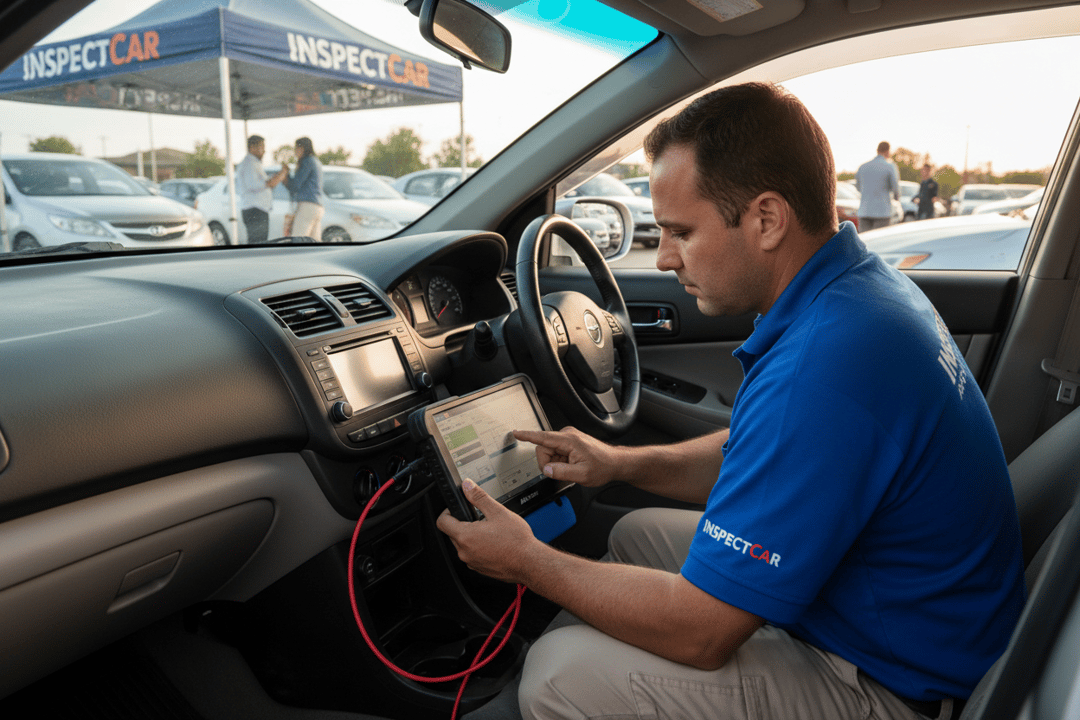
Performing an OBD scan is a non-negotiable part of the inspection process. This diagnostic tool reads the error codes stored in the engine and transmission computer, providing a history of faults. A technician must distinguish between hard faults—permanent issues requiring immediate attention—and temporary glitches caused by sensor noise. For example, a code related to the oxygen sensor often implies exhaust system integrity, while codes pointing to the camshaft or crankshaft position sensors suggest internal timing issues that could lead to catastrophic engine failure.
- OBD Scanner Usage: Essential for retrieving stored error codes related to the engine, transmission, ABS, and airbag systems.
- Warning Light Interpretation: Understanding the difference between electrical gremlins and major mechanical failures.
- Transmission Codes: Ensuring the transmission control module is not reporting faults that would affect the drive train.
Visual and Auditory Indicators of Engine Health
While the computer provides data, the human ear and eye must verify the physical condition of the engine during a road test. Smoke emanating from the exhaust pipe is a definitive symptom of internal engine or exhaust system issues. Blue smoke usually indicates burning oil, which suggests worn piston rings or valve seals, leading to a loss of power and increased oil consumption. Black smoke generally points to a rich fuel mixture, often caused by a faulty oxygen sensor or a malfunctioning fuel injector.
White smoke that disappears quickly is usually condensation, but persistent white smoke signals a blown head gasket or a cracked cylinder head, allowing coolant to enter the combustion chamber. This results in overheating and potential engine warping. Auditory checks are equally important; a healthy engine runs quietly with a rhythmic mechanical beat. Knocking, ticking, or rattling sounds during acceleration or idling indicate bearing wear, rod damage, or loose components that require immediate mechanical intervention.
Why Professional On-Location Inspection is Essential
Attempting to inspect a used pickup engine requires specialized knowledge and the right equipment. While visual inspection is valuable, it cannot detect internal wear or electrical faults without the aid of diagnostic software and manufacturer-specific tools. The heat of the UAE environment can mask fluid leaks and rubber degradation, making it difficult to assess the true condition of hoses, belts, and gaskets. A professional inspection covers 410+ checkpoints across 25 categories, ensuring no aspect of the vehicle's health is overlooked.
On-location inspection services offer the convenience of bringing the inspection to the buyer, whether the vehicle is at a showroom or a private residence. This service covers all 7 Emirates, providing a consistent standard of expertise regardless of location. A thorough road test evaluates acceleration, braking, noise, and vibration, painting a complete picture of the vehicle's drivability. Without this level of scrutiny, a buyer risks purchasing a vehicle that requires immediate, costly repairs shortly after purchase.
AutoFay Service Packages and Value
Choosing the right inspection package depends on the budget and the specific concerns regarding the vehicle. AutoFay offers three distinct tiers to cover different levels of analysis, ensuring buyers can make informed decisions without overpaying for unnecessary tests.
| Package Name | Price (AED) | Includes |
|---|---|---|
| Computer Diagnostic | 99 | OBD scan for engine, transmission, ABS, and airbag codes. |
| Body & Computer | 250 | Panel-by-panel body inspection, paint analysis, and full computer diagnostics. |
| Comprehensive | 399 | Full structural analysis, frame checks, engine sound/mounts, brakes, suspension, fluids, and computer diagnostics. |
For buyers prioritizing engine and transmission functionality, the Computer Diagnostic package at AED 99 provides a quick scan of stored error codes. However, for a complete peace of mind regarding both body integrity and mechanical health, the Comprehensive AED 299 package is the industry standard. This package inspects the frame rails, pillars, and floor pan for accidents, alongside the mechanical operation of the engine and transmission.
AutoFay inspects 410+ checkpoints with HD photos and PDF report. Book at autofay.ae or call +971542584458



0 Comments
No comments yet. Be the first to share your thoughts!