

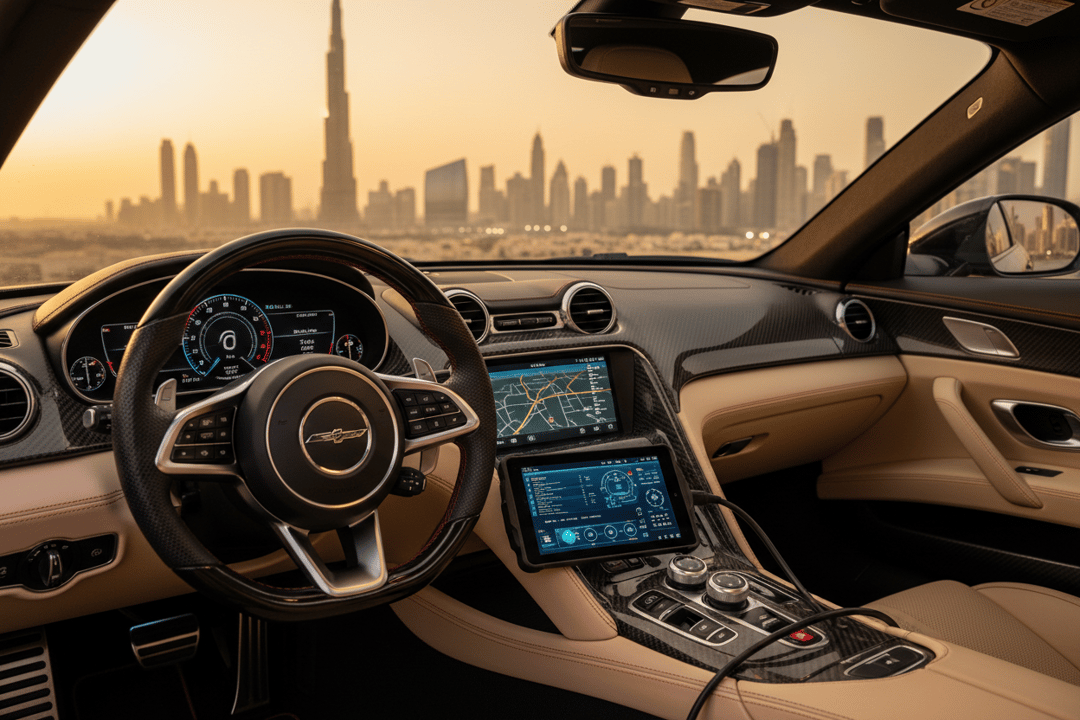
Acquiring a pre-owned luxury vehicle in the United Arab Emirates represents a significant financial commitment. The engineering under the hood of these machines differs vastly from standard economy cars, requiring a specialized approach to inspection. A failure in the engine start or operation phase can often signal deeper issues within the vehicle's complex electronic architecture. This article outlines the specific technical criteria used to evaluate engine starts and operational integrity during a professional inspection.
The Critical First 30 Seconds: Cold Start Protocol
The initial reaction of the engine upon key insertion is the primary indicator of its current health. Luxury vehicles typically incorporate complex cold start enrichment strategies that manage air-fuel ratios during cool ambient temperatures. An inspector must listen for the rapid cranking of the starter motor; if the engine fails to turn over within a standard timeframe, it may indicate a depleted battery or a seized starter mechanism. Once the engine fires, the duration of the cranking sequence is equally telling. A healthy engine should achieve stable combustion within two to three revolutions of the crankshaft. If the starter motor engages for an extended period, it implies mechanical binding or excessive compression loss, which are severe structural concerns.
After the engine catches, immediate auditory analysis is required. The startup sound should be a rhythmic mechanical roar, devoid of metallic tapping or piston slap. In luxury diesel models specifically, the glow plug cycle duration provides critical data regarding engine temperature sensors and fuel injection timing. A hesitation during the initial acceleration phase often points to fuel delivery pressure issues or faulty ignition coils, which are common failure points in high-performance European engines.
Idle Stability and Harmonic Resonance
Once the engine reaches operating temperature, idle stability becomes the primary metric for evaluation. Luxury engines are designed to run with high precision, often operating at lower RPMs than standard vehicles to maximize fuel economy and reduce emissions. An inspector listens for the idle note, which should remain smooth and consistent. Any fluctuation in the RPM needle—known as hunting—indicates a potential vacuum leak or a malfunctioning Mass Air Flow (MAF) sensor. In turbocharged vehicles, the turbocharger spin-up noise should be silent and seamless as the revs rise, without any whistling or hissing sounds that suggest boost leaks.
Vibration analysis is another critical component of the idle check. While some vibration is inherent in internal combustion, luxury suspensions are engineered to absorb engine harmonics. Excessive vibration transmitted through the steering wheel or the driver’s seat suggests worn engine mounts. Specifically, the "torque mount" located at the bottom of the engine block stabilizes the vehicle during gear changes. If this mount cracks, the engine will physically shift during acceleration, causing a "thumping" sensation. This damage compromises the drivetrain alignment and can lead to accelerated wear on the transmission mounts and subframe components.
Digital Diagnostics: Warning Lights and OBD
The dashboard warning lights serve as the first line of defense in identifying electronic faults. A luxury vehicle utilizes multiple redundant systems; if the Check Engine Light illuminates, it indicates that the engine control unit (ECU) has detected a deviation from the pre-programmed parameters. Inspectors must verify that the "Service Engine Soon" light turns off shortly after the engine starts and remains inoperative during operation. A light that remains illuminated, or flashes intermittently, signals a potential catalyst damage or a misfire condition that requires immediate attention.
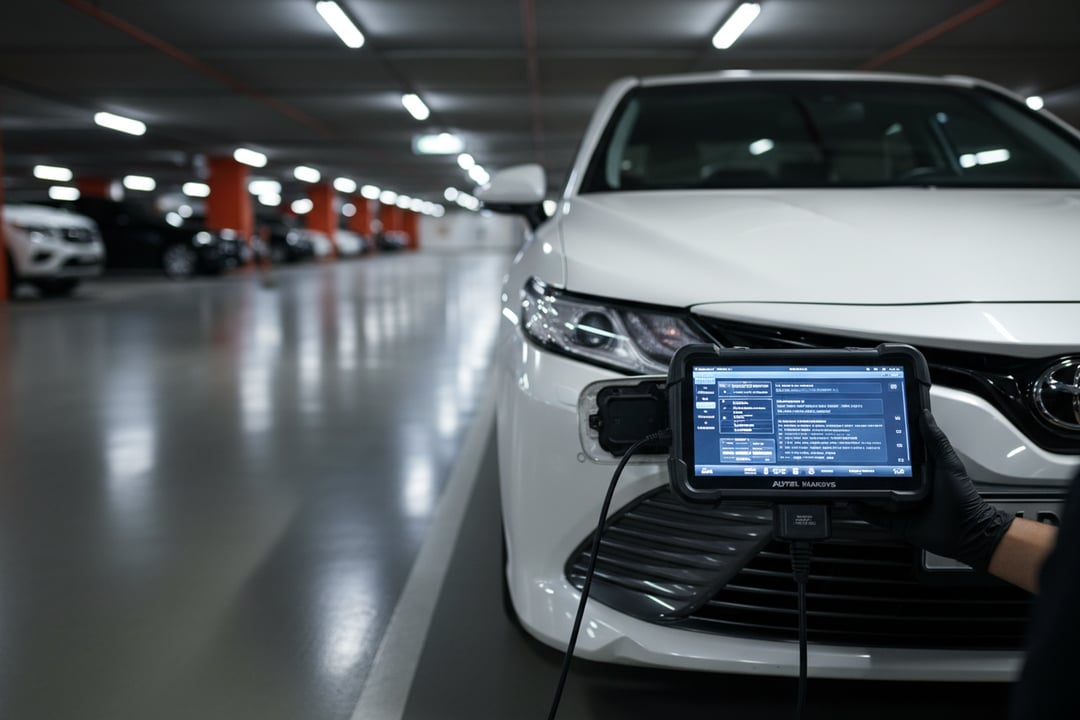
Specific luxury vehicle warning systems include temperature gauges and oil pressure warnings that are far more sensitive than those in standard vehicles. A fluctuating oil pressure light or an amber temperature warning indicates a loss of lubrication or coolant circulation. In modern luxury automotive electronics, the OBD (On-Board Diagnostics) port provides access to manufacturer-specific fault codes that generic scanners cannot read. These codes often point to transmission solenoid failures or electronic throttle body issues, which are expensive to rectify but easily identified through a proper scan.
The Exhaust and Fluids: Hidden Failures
The exhaust tailpipe offers a visual and olfactory snapshot of the engine's internal combustion efficiency. A professional inspection involves observing the exhaust smoke during the start-up and idle phases. Blue smoke indicates burning oil, likely due to worn valve stem seals or piston rings. This condition leads to permanent carbon buildup on spark plugs and oxygen sensors. White smoke, particularly during startup, suggests a blown head gasket or a cracked cylinder head, leading to coolant mixing with combustion gases. This failure results in overheating and potential engine overheating, rendering the vehicle unsafe for the road.
Fluid analysis under the hood is mandatory for luxury vehicles due to the high operating temperatures and pressures. The transmission fluid, often a dyed synthetic, should appear bright red and translucent with no burnt smell. Dark, brown, or smelling like burnt toast indicates the transmission has overheated, a common issue in stop-and-go UAE traffic. The power steering fluid and brake fluid levels must be checked for contamination; luxury braking systems rely on hydroscopic fluid that absorbs moisture, which lowers the boiling point and compromises stopping power during heavy braking.
Inspection Packages and Operational Integrity
Given the complexity of luxury automotive systems, a comprehensive visual inspection is rarely sufficient. Specialized inspection services employ a rigorous methodology to verify the operational integrity of the vehicle. A professional inspection covers over 410+ checkpoints across 25 distinct categories to ensure no detail is overlooked. The process includes a road test to evaluate acceleration, braking, steering response, and overall noise and vibration levels under load. This ensures the vehicle not only starts but performs as intended by the manufacturer.
| Inspection Package | Service Inclusions | Best For |
|---|---|---|
| Computer Diagnostic | OBD scanning for engine/transmission/ABS/airbag codes | Quick check of electronic faults |
| Body & Computer | Panel-by-panel paint check, computer diagnostics, frame inspection | Buying a slightly used model with cosmetic questions |
| Comprehensive | Engine sound, mounts, smoke test, brake/suspension/tires, 410+ checkpoints | High-risk purchases or vintage luxury vehicles |
Utilizing a professional on-location inspection service ensures that the vehicle is tested in its natural environment without the seller's influence. experienced inspectors provide HD photos and a detailed PDF report that serves as a transparent record of the vehicle's condition. This due diligence protects the buyer from unforeseen mechanical failures and ensures the vehicle complies with UAE safety standards.
Expert Verification and Conclusion
The operational health of a luxury engine is the foundation of the vehicle's performance and longevity. Neglecting the specific nuances of engine start and idle checks can lead to expensive repairs shortly after purchase. A thorough inspection separates a well-maintained asset from a machine requiring immediate capital injection. Relying on experienced expertise eliminates the guesswork involved in purchasing high-value machinery.
AutoFay inspects 410+ checkpoints with HD photos and PDF report. Book at autofay.ae or call +971542584458




0 Comments
No comments yet. Be the first to share your thoughts!