
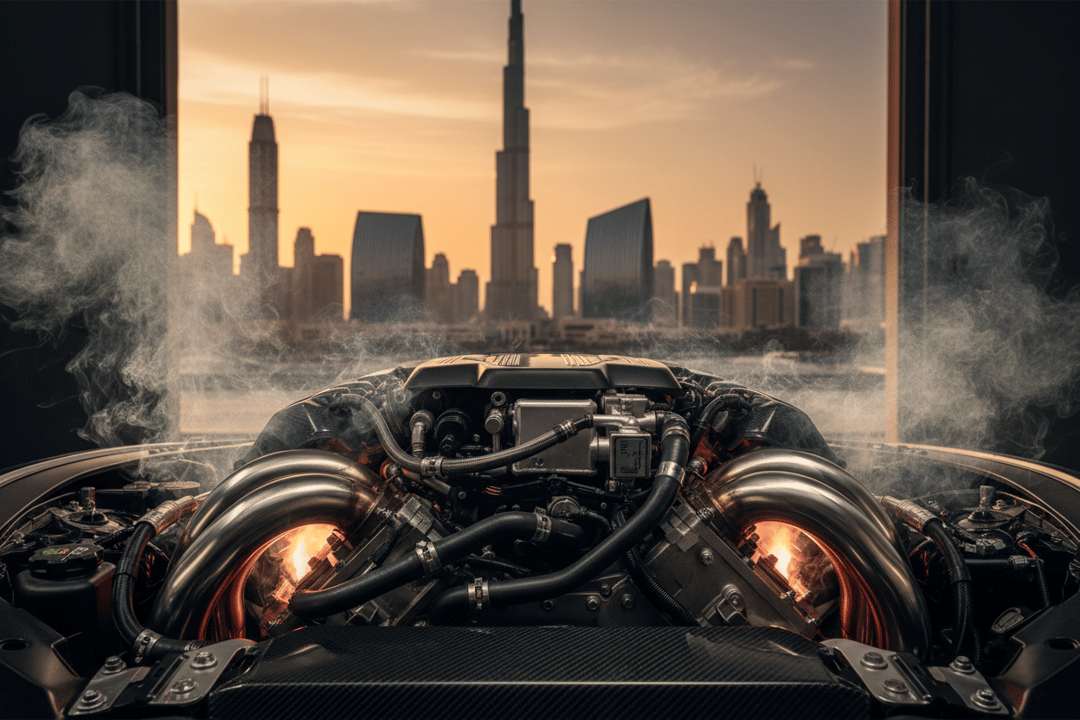
The engine start sequence is the definitive diagnostic test for any vehicle. It reveals the mechanical health, electrical integrity, and maintenance history of the car before the driver even engages the transmission. A experienced inspector evaluates these initial moments with scrutiny, looking for anomalies that suggest hidden wear or impending failure. Understanding what these findings mean is critical for avoiding buyer's remorse.
The Cold Start Sequence
Inspectors begin the engine operation assessment by observing the cold start. A healthy engine should crank for a specific duration and ignite consistently. A delay in ignition often indicates a failing starter motor, a drained battery, or fuel delivery issues. Mechanics listen for the "metallic" grinding sound that signals a compromised starter gear.
Once the engine catches, the initial idle speed provides a baseline for the vehicle's computer calibration. An engine that struggles to catch or stalls immediately upon ignition points to fuel system irregularities or sensor malfunctions. This initial phase sets the stage for the entire inspection, as the computer attempts to stabilize the air-fuel mixture.
Idle Stability and Engine Sound
A smooth idle is a hallmark of a well-maintained engine. Inspectors listen for irregularities such as ticking, knocking, or popping sounds. These noises often indicate worn internal components, such as piston rings, connecting rods, or valve train issues. A steady, rhythmic engine note is the target standard for a healthy powerplant.
Vibrations are another critical indicator. While some vibration is inherent in internal combustion, excessive shake at idle usually points to failing engine mounts. These rubber isolators dampen the engine's movement. When they degrade, the vibration transfers to the chassis, causing a rough ride and potential damage to the transmission linkage. Inspectors check for these transfers to determine if the mounts require replacement.
Diagnostic Systems and Warning Lights
The dashboard warning lights are the vehicle's communication system. The Check Engine Light is the most common indicator of engine trouble. A rapid flashing light typically signals a severe misfire that can damage the catalytic converter. A solid light often points to emissions-related issues, loose gas caps, or sensor faults.
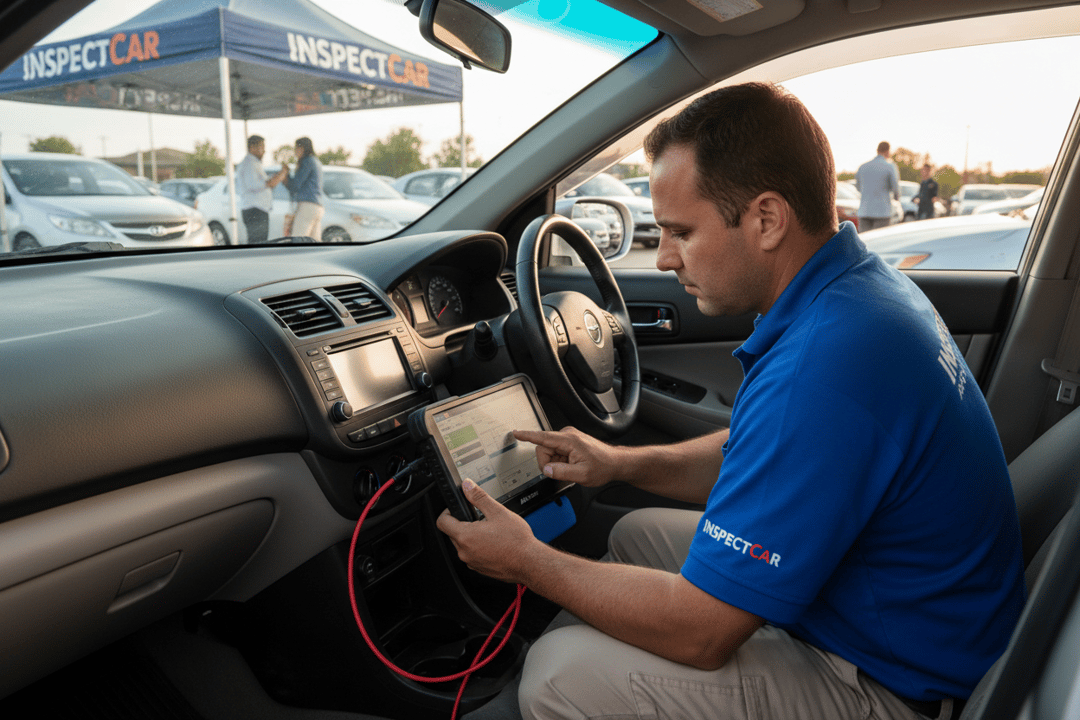
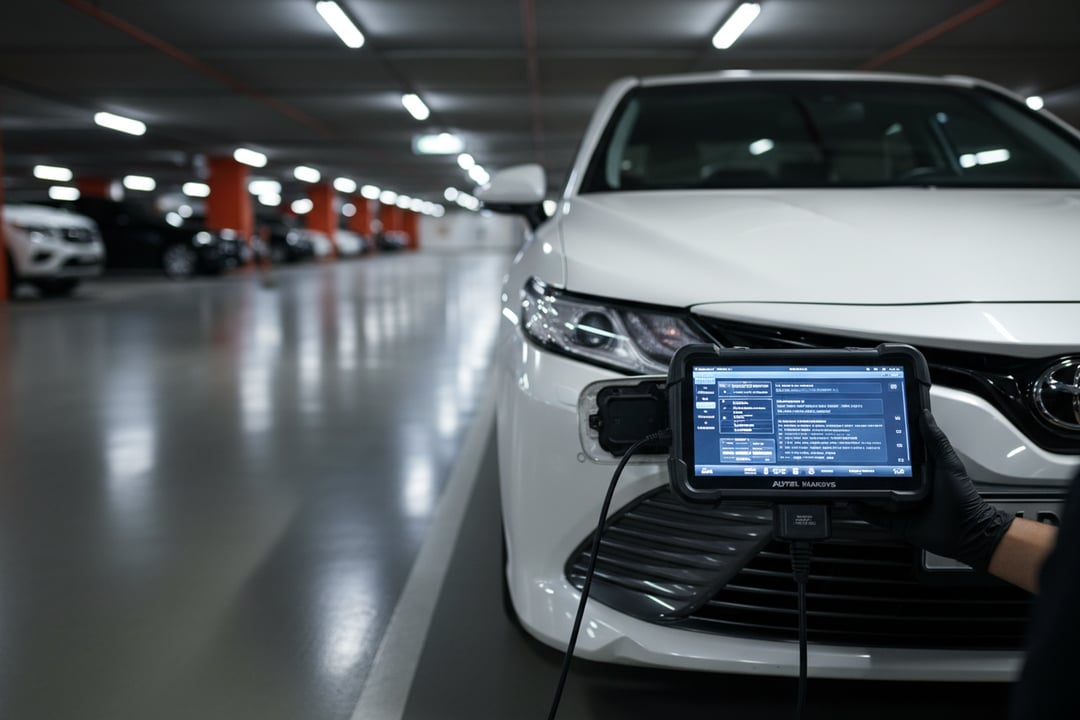
To understand the root cause, a mechanical diagnostic scan is required. Service technicians use an On-Board Diagnostics (OBD) scanner to retrieve stored error codes. These codes pinpoint the malfunctioning component, such as an oxygen sensor, mass airflow sensor, or malfunctioning catalytic converter.
- Check Engine Light: Indicates general engine or emissions system faults.
- ABS Light: Suggests a problem with the anti-lock braking system sensors.
- Oil Pressure Light: Warns of low lubrication levels or a failing pump.
- Temperature Warning: Signals a cooling system blockage or coolant leak.
Professional diagnostic tools are essential for interpreting these codes accurately. At AutoFay, a Computer Diagnostic check is available for AED 99 to verify the status of the engine, transmission, ABS, and airbag systems before the final purchase decision is made.
Gauge Cluster Verification
The gauge cluster provides real-time data on the vehicle's vital signs. Inspectors verify the accuracy of the oil pressure and temperature gauges. A gauge that sits at zero immediately after start-up is a dangerous red flag, indicating a potential for instant engine seizure due to lack of lubrication.
Another common issue is a fluctuating gauge. A needle that jumps erratically or drops below the normal operating range often points to a failing oil pressure sensor or a weak fuel pump. These components regulate the pressure within the system. If the gauge provides inaccurate readings, the driver cannot rely on the dashboard warnings, potentially leading to catastrophic mechanical failure during operation.
Smoke Analysis and Exhaust
The color of the exhaust smoke offers immediate insight into the engine's internal condition. White smoke during a cold start is often normal condensation, but if it persists after the engine warms up, it indicates a blown head gasket or a cracked cylinder head. This allows coolant to leak into the combustion chamber.
Blue smoke indicates that the engine is burning oil. This usually results from worn piston rings, valve stem seals, or cylinder walls. Black smoke suggests a rich fuel mixture, which points to issues with the fuel injectors, a malfunctioning mass airflow sensor, or a leaking fuel pressure regulator. Identifying these emissions characteristics early prevents future operating costs.
| Smoke Color | Possible Causes | Consequence |
|---|---|---|
| White | Head gasket leak, cracked cylinder head | Engine overheating, coolant loss |
| Blue | Worn piston rings, valve stem seals | Excessive oil consumption, smoke from exhaust |
| Black | Fuel injection issues, vacuum leaks | Poor fuel economy, reduced engine performance |
The Necessity of a Comprehensive Inspection
Engine start and operation are just a fraction of the total vehicle health. A comprehensive inspection covers 410+ checkpoints across 25 categories to provide a holistic view of the asset. This includes a detailed Body & Paint analysis to check for past accidents, Frame integrity checks on rails and pillars, and a full Brakes assessment.
For a thorough evaluation of the entire vehicle, AutoFay offers a Comprehensive inspection package for AED 299. This service includes a computer diagnostic, a road test for acceleration and braking, fluid condition checks, and tire manufacturing year verification. The service is delivered on location, covering all 7 Emirates, ensuring inspectors can verify the vehicle at the seller's location.
Do not rely on visual cues alone. Professional inspection ensures the engine starts correctly, idles smoothly, and displays accurate gauge readings. Relying on a experienced expert prevents overlooking hidden faults that could lead to expensive repairs shortly after purchase.
AutoFay inspects 410+ checkpoints with HD photos and PDF report. Book at autofay.ae or call +971542584458


0 Comments
No comments yet. Be the first to share your thoughts!