


The door assembly represents more than just an entry point for occupants. It serves as the primary structural barrier between the interior cabin and the external environment, playing a crucial role in occupant safety and vehicle integrity. When purchasing a used vehicle in the UAE, where temperatures fluctuate between extreme heat and occasional heavy rainfall, the condition of the doors is a critical indicator of the car's history and build quality. A visual inspection by a layperson often misses the subtle cues of structural stress, paint mismatch, or water damage that a trained eye catches. Professional vehicle inspection services employ a rigorous methodology to scrutinize every millimeter of the bodywork, ensuring that hidden defects do not translate into expensive repairs for the buyer. AutoFay provides a on-location inspection service across all seven Emirates, offering a detailed analysis of the vehicle's condition through a standardized checklist of over 410+ checkpoints.
The Structural Role of Doors in a Pre-Purchase Inspection
Doors are integral to the vehicle's structural safety cage, designed to protect passengers during a side-impact collision. Consequently, the condition of the doors is a direct reflection of the vehicle's collision history. If a door has been replaced or repaired, it may not align perfectly with the surrounding body panels, indicating a potential accident. A experienced inspector evaluates the gap consistency between the door and the A-pillar, B-pillar, and C-pillar. Uneven gaps suggest that the mounting points of the door have shifted, which can compromise the structural rigidity of the vehicle. Furthermore, the alignment of the door striker plate—the metal catch on the body that the door latches onto—is vital for proper closure. Misalignment here leads to wind noise, poor door sealing, and premature wear on the door lock mechanism.
- Wind Noise and Aerodynamics: Poor sealing often results in significant wind noise at highway speeds, which can be distracting and indicates compromised weather protection.
- Airbag Deployment Indicators: On modern vehicles, a non-deployed airbag can still be triggered if the door is involved in a collision where the door module detects impact, even if the airbag itself did not inflate.
- Paint and Primer Analysis: Inspectors use specialized lighting to detect color variations in the door handles, mirrors, and trim, which often reveal repainted areas that hide underlying damage.
Evaluating Hinge Integrity and Security
The hinges are the mechanical components that allow the door to pivot and stay securely attached to the body. Over time, hinges are subject to constant stress and exposure to the elements, making them a common failure point in the UAE’s dusty climate. A professional inspection involves physically checking the condition of the hinges for signs of rust, corrosion, or mechanical wear. Rust can weaken the metal, leading to a dangerous situation where a door could detach while the vehicle is in motion. Additionally, inspectors look for "play" or looseness in the hinges, which suggests that the mounting bolts have loosened over time or that the bushings have worn out.
Security is another major concern regarding door hinges. Vehicles with damaged or loose hinges are prime targets for thieves seeking to steal door panels for resale. AutoFay inspectors verify that all bolts and clips are secure, ensuring that the door is not only functional but also resistant to tampering. If a hinge is found to be broken or severely rusted, it signals that the door has been subjected to significant stress, likely from an accident or heavy impact. Ignoring hinge issues can lead to the door sagging, making it difficult to close properly, or worse, detaching entirely during driving.
Inspecting Rubber Seals for Water Intrusion
The rubber weather stripping, or weather seal, is the first line of defense against dust, sand, and water intrusion. In the UAE, sand is ubiquitous, and a compromised seal allows abrasive particles to enter the cabin, damaging the interior trim and affecting the HVAC system. Water ingress is perhaps the most damaging consequence of failing seals. Even minor cracks in the rubber allow moisture to seep into the door cavity, where it can pool and eventually cause rust to form on the door frame and the vehicle's floor pan. This rust is often hidden from view and can destroy the structural integrity of the car from the inside out.
Inspectors check the condition of all rubber seals around the windows, the door jambs, and the boot (trunk). They look for hardening, cracking, or complete detachment of the seal. A seal that has fallen off or is severely cracked will not keep water out, leading to damp carpets, mildew odors, and electrical short circuits in the door modules responsible for window regulators and keyless entry. If the inspector finds water inside the door cavity during a test, it indicates a failure in the sealing system that requires immediate attention to prevent long-term corrosion.
Testing Handle Functionality and Cables
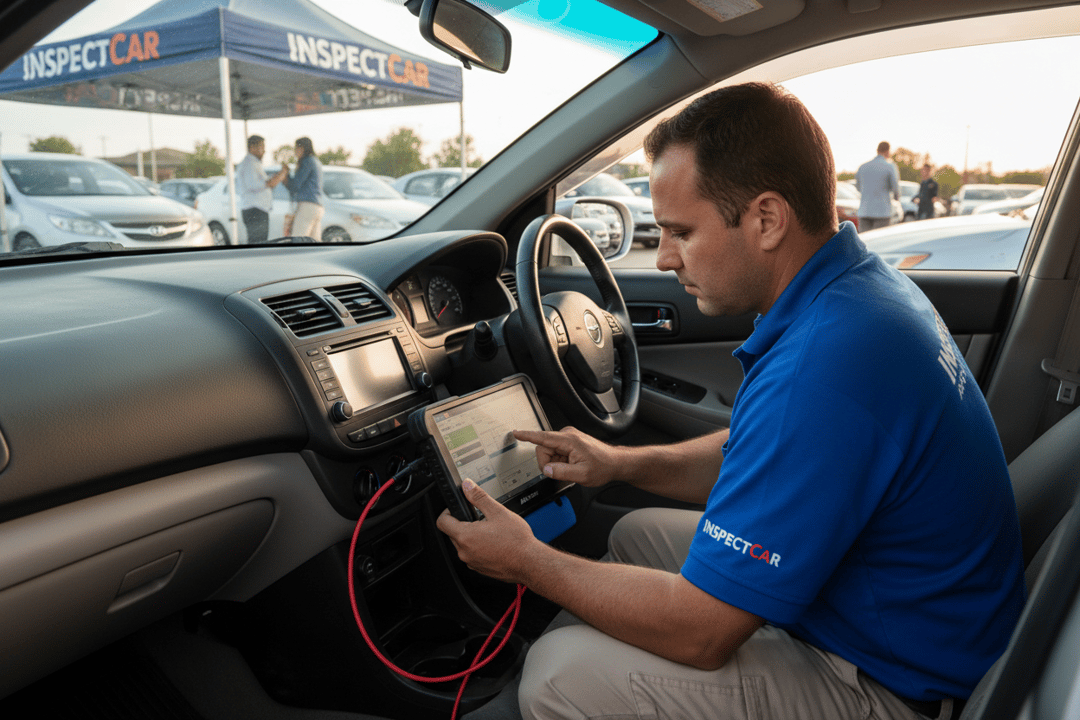
Both exterior and interior door handles are critical for safety, particularly in an emergency evacuation. A handle that fails to release the door lock mechanism creates a significant safety hazard. During the inspection, technicians test the function of all handles, looking for stiffness, lack of resistance, or complete failure to engage the latch. On vehicles with electrically operated handles, the inspector checks for proper responsiveness and looks for error codes related to the door modules in the OBD scan. A handle that feels "mushy" or loose often indicates that the internal cables have snapped or are frayed, a common issue in older vehicles.
Loose door handles can also indicate that the door has been misaligned. When a door is not closing properly, the force applied to the handle during operation is misdirected, causing the internal linkage to stretch or break. Furthermore, a handle that protrudes excessively or hangs loosely can be a sign of previous forceful attempts to gain entry, which might suggest the car has been broken into before. Ensuring that all handles operate with firm, positive action confirms that the door latching mechanism is intact and reliable.
AutoFay Inspection Packages and Scope of Service
Understanding the specific findings during a door inspection requires a comprehensive evaluation of the vehicle's condition. AutoFay offers structured inspection packages that cover the entire vehicle, including the critical body and frame categories. These packages ensure that door defects are not viewed in isolation but are assessed in the context of the vehicle's overall health. The inspection process utilizes computer diagnostics to check the electrical systems associated with the doors, such as the central locking, window regulators, and airbag sensors.
| Inspection Package | Price (AED) | Key Inclusions |
|---|---|---|
| Computer Diagnostic | 99 | Engine, Transmission, ABS, Airbag codes via OBD scan. |
| Body & Computer | 250 | Panel-by-panel paint analysis, frame safety checks, and computer diagnostics. |
| Comprehensive | 399 | Full mechanical check, suspension, brakes, tires, fluids, and road test with HD photos report. |
Each package is designed to provide transparency to the buyer, highlighting whether parts are original, repainted, or repaired. The comprehensive package is particularly valuable as it includes a road test to assess how the doors behave at speed regarding noise, vibration, and alignment. By choosing a professional inspection like AutoFay, buyers avoid the costly consequences of purchasing a vehicle with compromised structural integrity or hidden water damage. The inspection report, including HD photos, serves as a legal and technical record of the vehicle's condition at the time of purchase.
AutoFay inspects 410+ checkpoints with HD photos and PDF report. Book at autofay.ae or call +971542584458




0 Comments
No comments yet. Be the first to share your thoughts!