

The UAE desert environment subjects vehicles to extreme thermal cycling and abrasive particulate matter. For high-end luxury marques like Lexus, this climate accelerates material degradation and mechanical wear. Purchasing a used Lexus in the Emirates requires a forensic approach to inspection. Standard vehicle checks often overlook the specific stressors imposed by high-speed desert travel and scorching asphalt. A thorough evaluation focuses on how the vehicle has withstood thermal stress, sand intrusion, and UV radiation over time.
Engine Health and Thermal Stress
The a capable engine V6 (2GR-FE) and a capable engine V8 (1UR-FE) engines are the heart of many Lexus sedans and SUVs in the region. These powertrains are generally reliable, but the intense UAE heat places unique demands on their cooling systems. One common issue is oil dilution, particularly during short commutes where the engine never reaches full operating temperature. Condensation mixes with engine oil, reducing lubrication viscosity and increasing the risk of internal bearing wear.
Sand and carbon accumulation at the throttle body is another frequent consequence of desert driving. Air intake systems in this climate draw in particulate matter that adheres to the throttle plate. This restriction creates lean fuel mixtures, causing hesitation during acceleration or stalling at idle. Similarly, the transmission cooler lines, located near the radiator, are prone to heat stress and corrosion. A leak here can lead to transmission fluid degradation, resulting in overheating and costly gear slippage.
Suspension and Undercarriage Integrity
Land Cruiser-based Lexus models, such as the GX and LX, endure significant suspension loads on off-road tracks and rough highways. The primary failure point here is the control arm bushings. Constant thermal expansion and contraction causes the rubber to harden and crack. Once compromised, the vehicle develops a noticeable vibration at highway speeds and suffers from poor wheel alignment, leading to uneven tire wear.
The steering rack boots are equally critical to inspect. In dusty conditions, debris enters these boots, grinding the internal tie rods. This leads to steering play, where the wheel feels loose or requires multiple turns to center. Additionally, the rear shock absorbers on SUVs often fail prematurely due to the weight of cargo and passengers over rough terrain. A failing shock absorber reduces tire traction on loose surfaces, increasing stopping distances.
Climate Control Systems and Interior Electronics
The cabin environment in the UAE becomes a breeding ground for mold and mildew due to high humidity and frequent use of air conditioning. The evaporator drain tubes, which are often clogged by dust and debris, frequently become obstructed. When these tubes are blocked, water accumulates inside the dashboard and leaks onto the floor carpets. This moisture not only damages the upholstery but can short-circuit electrical components, including the airbag sensors and dashboard modules.
experienced inspectors must also scrutinize the sunroof drainage system. The channels designed to carry water away from the vehicle often get jammed with sand. When this happens, water backs up and seeps into the B-pillar and headliner, causing structural rot and electrical malfunctions in the roof control unit. The AC condensate drain pan itself is another hidden failure point; corrosion from road salt can cause it to rust through, dripping coolant onto the exhaust manifold and creating smoke in the cabin.
Exterior Paintwork and Frame Alignment
High-speed desert driving generates micro-abrasions that degrade the clear coat. The intense UV exposure in the Emirates breaks down the protective paint layer, leading to oxidation and fading. A panel-by-panel inspection is necessary to distinguish between genuine sun damage and accident repairs. Spray-painted bumpers or mismatched paint shades indicate a history of collision repair, which may have compromised structural integrity.
Chassis straightness is paramount for a luxury Lexus. Even minor impacts with potholes or desert rocks can alter the alignment of the unibody frame or sub-frame rails. This misalignment causes steering drift and abnormal tire wear patterns. Inspecting the door gaps and hood alignment provides immediate clues about whether the vehicle has sustained significant impact damage that has been repaired poorly.
Targeted Inspection Categories
When evaluating a pre-owned Lexus, specific categories demand rigorous attention. Brakes must be assessed beyond pad thickness; the calipers and rotors should be inspected for rust buildup, which occurs rapidly in the salty air of coastal Emirates. Suspension bushings require physical stress tests to check for play or cracks. Tires should be checked for manufacturing date codes, as aged rubber loses its elasticity in the heat, increasing the risk of blowouts.
Fluids tell the story of the vehicle's maintenance history. Engine oil should be examined for viscosity and metallic particulates; transmission fluid needs to be checked for a burnt smell and a brownish hue, indicating overheating. Brake fluid must be free of moisture, which lowers its boiling point and causes brake fade during heavy braking in Dubai traffic.
| Inspection Category | Common Issues in UAE | AutoFay Checkpoint |
|---|---|---|
| Brakes | Caliper corrosion from road salt; uneven pad wear from driving style | Pad % rating, rotor condition, fluid level & condition |
| Tires | Uneven wear on inner/outer edges (alignment issues); age cracking | Manufacturing year, tread depth, wear bars, sidewall condition |
| Frame | Sub-frame corrosion near the exhaust; impact damage from potholes | Rail integrity, pillar alignment, floor pan condition |
| Electrical | AC evaporator leaks; sunroof drainage blockage; sensor malfunction | OBD scan (engine/trans/ABS codes), fluid condition (coolant) |
Professional Assessment and Packages
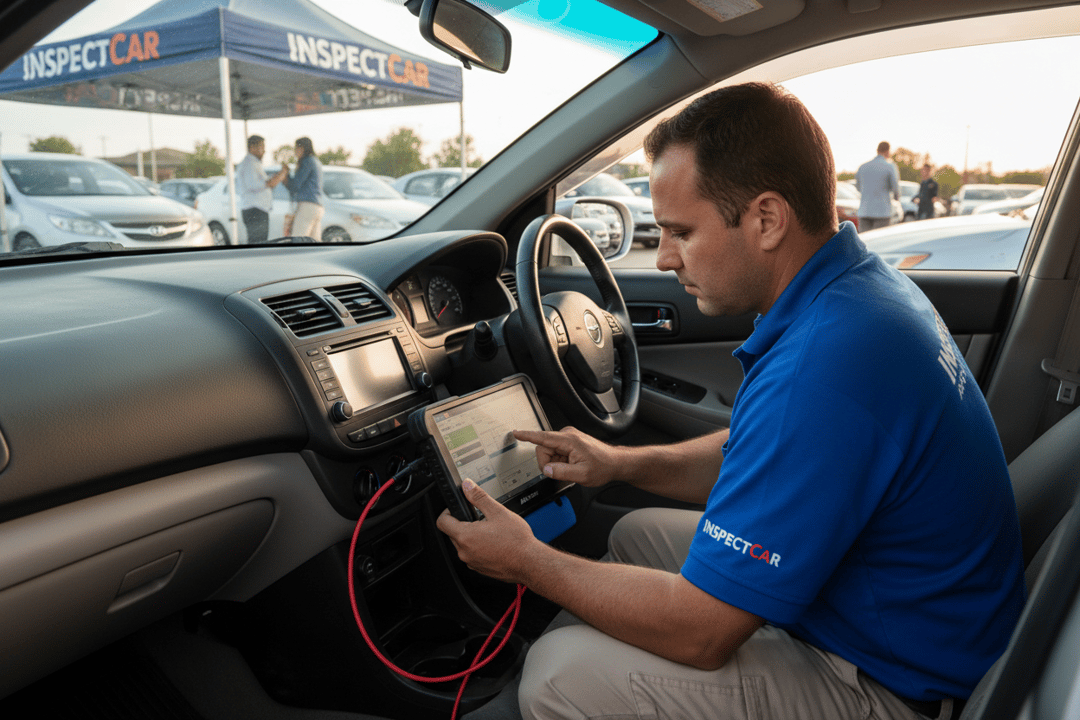
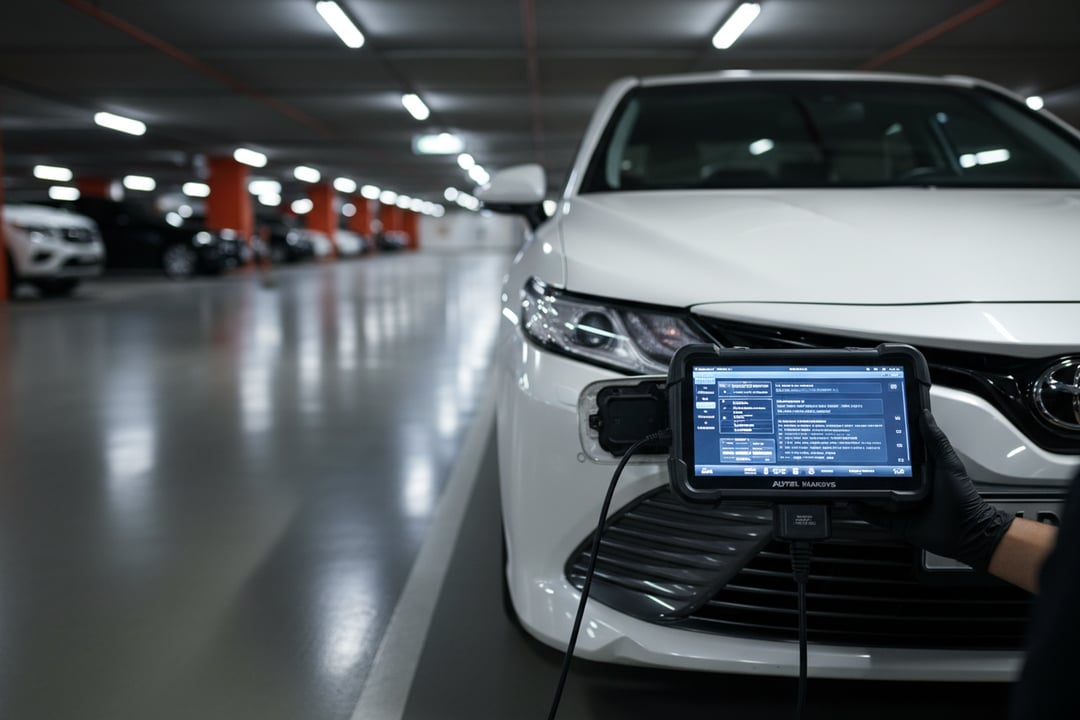
Identifying these issues often requires specialized equipment and trained eyes. A standard visual inspection may miss internal engine codes or minor electrical faults. Utilizing a professional on-location inspection service ensures a comprehensive evaluation across 250+ specific checkpoints. For a baseline assessment of engine and electronic health, the Computer Diagnostic service provides a detailed scan of the vehicle's onboard systems.
For a deeper dive, the Body & Computer package combines visual exterior assessment with diagnostic scanning. This is essential for uncovering accident history or underlying electronic failures that are not visible to the naked eye. For the most thorough due diligence, the Comprehensive package evaluates all critical systems, from the chassis frame to the suspension geometry, providing a complete picture of the vehicle's mechanical health.
AutoFay inspects 410+ checkpoints with HD photos and PDF report. Book at autofay.ae or call +971542584458


0 Comments
No comments yet. Be the first to share your thoughts!