
The relentless heat of the UAE desert environment accelerates vehicle degradation in ways visible and invisible. For prospective buyers of used Hyundai vehicles, understanding the specific toll of desert driving is essential for avoiding costly repairs. The combination of salt, abrasive sand, and extreme temperature fluctuations targets specific components more aggressively than normal city driving does. A vehicle that appears mechanically sound may harbor structural fatigue or electrical failures caused by prolonged exposure to harsh conditions. Professional inspection remains the only reliable method to uncover these hidden issues before a purchase is finalized.
Structural Integrity and the Undercarriage
Desert driving subjects the vehicle's undercarriage to corrosive elements and physical abrasion. Salt residue from the coast, carried inland by winds, accelerates rust formation on the chassis and frame rails. Even vehicles stored in garages can suffer from pinhole rust in the floor pan if the insulation or floor mats trap moisture and salt.
Inspectors must look for signs of metal fatigue in the suspension mounting points. When a vehicle traverses soft sand, the suspension compresses to its limits repeatedly, stressing the welds where control arms connect to the subframe. A compromised weld here can lead to catastrophic suspension failure at high speeds.
Hyundai-Specific Powertrain Vulnerabilities
Hyundai vehicles, particularly those from the 6th generation (2009–2015) and 7th generation (2015–2019), have well-documented weaknesses that become apparent under stress. The timing chain tensioner is a primary suspect; if this component fails, the timing chain can stretch or skip, leading to catastrophic engine internal damage. A road test should be conducted to listen for unusual rapping noises from the top of the engine, which suggests timing chain slack.
Oil leaks are another signature issue in older Hyundais. The head gasket and oil filter housing gasket are prone to deterioration, especially when the engine has been subjected to extreme heat cycles. These leaks, while often minor, can lead to oil starvation if left unattended. Furthermore, the transmission fluid can break down more rapidly due to higher operating temperatures often encountered in stop-and-go desert traffic or towing heavy loads.
Suspension and Steering System Fatigue
Corrugated sand dunes create a repetitive shock that degrades rubber bushings and ball joints much faster than smooth asphalt. The control arm bushings, specifically the front lower arms, tend to crack or split when the rubber hardens due to UV exposure and heat. This degradation allows the wheels to move independently of the chassis, resulting in poor alignment and tire wear.
Inspectors should check for excessive play in the steering wheel. A tight steering rack is critical for handling stability, especially when driving on loose gravel or sand where the vehicle's grip is naturally reduced. Worn tie rod ends can lead to a sudden loss of directional control, making this a high-priority check during the inspection process.
The Electrical System and Dashboard Anomalies
Electrical gremlins are disproportionately common in used Hyundais, particularly those with significant mileage. The soldering on electronic control units, especially the ABS controller and the airbag module, is often brittle. The thermal cycling of the engine bay—extreme heat followed by cool desert nights—causes these solder joints to crack, leading to intermittent faults that are difficult to diagnose without specialized equipment.
When inspecting a used Hyundai, pay close attention to the dashboard warning lights. A malfunctioning ABS sensor or a failing camshaft position sensor can trigger multiple warning indicators. These faults may not prevent the car from starting, but they indicate a history of electrical component failure that could recur unpredictably.
Key Inspection Categories for Desert-Damaged Vehicles
Effective inspection requires a systematic approach to identifying the specific damages caused by off-road usage. Buyers must prioritize the following categories to ensure they are not inheriting a vehicle that requires immediate mechanical repair.
- Fluid Condition: Check the engine oil for metallic sludge or a burnt smell, indicating internal engine stress. Inspect the coolant reservoir for oil bubbles, which point to a leaking head gasket exacerbated by heat.
- Tire Manufacturing Year: Tires degrade over time, especially in the UAE heat, regardless of tread depth. Ensure tires are not older than six years to guarantee adequate sidewall strength for desert driving.
- Brake Pad Rating: Assess the percentage of remaining brake pad material. Heavy braking on sand requires more force, leading to faster pad wear.
- Suspension Bushings: Physically inspect the rubber boots on sway bars and control arms for cracks or tears, which allow dirt and moisture to destroy the internal bushings.
The Value of Professional Diagnostics
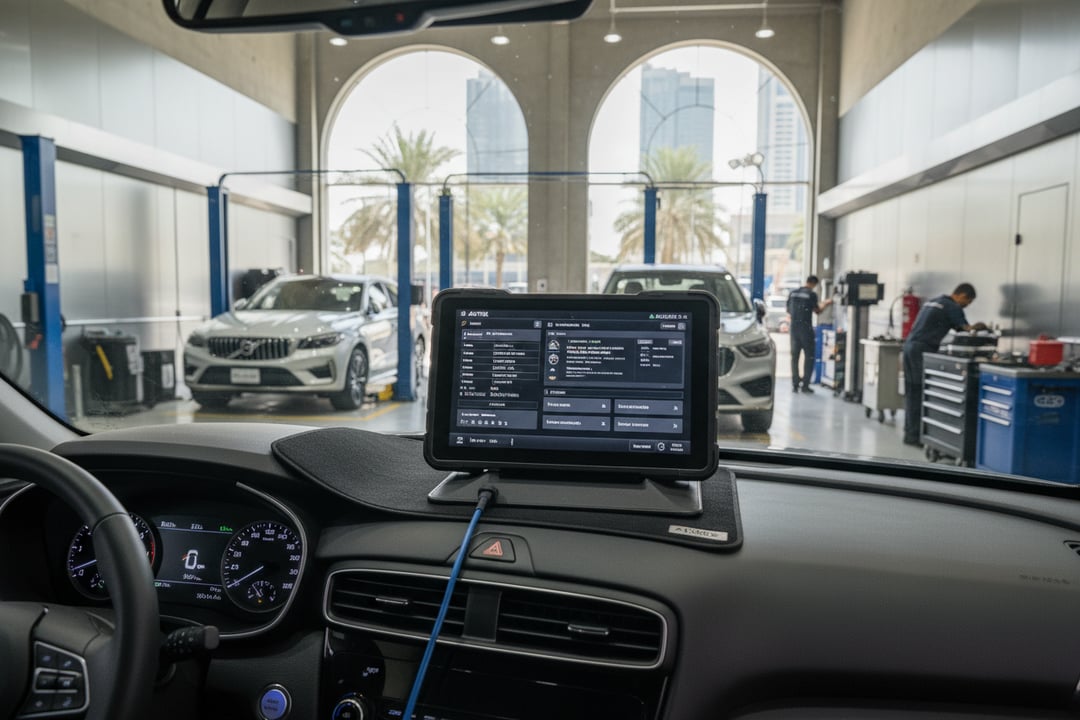
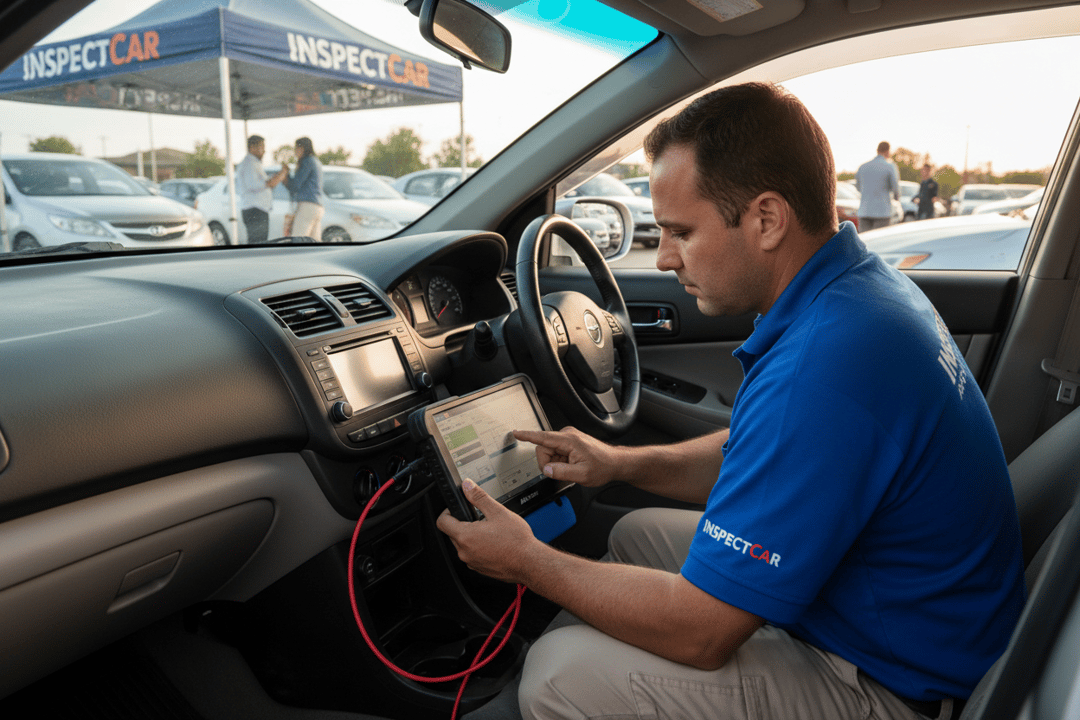
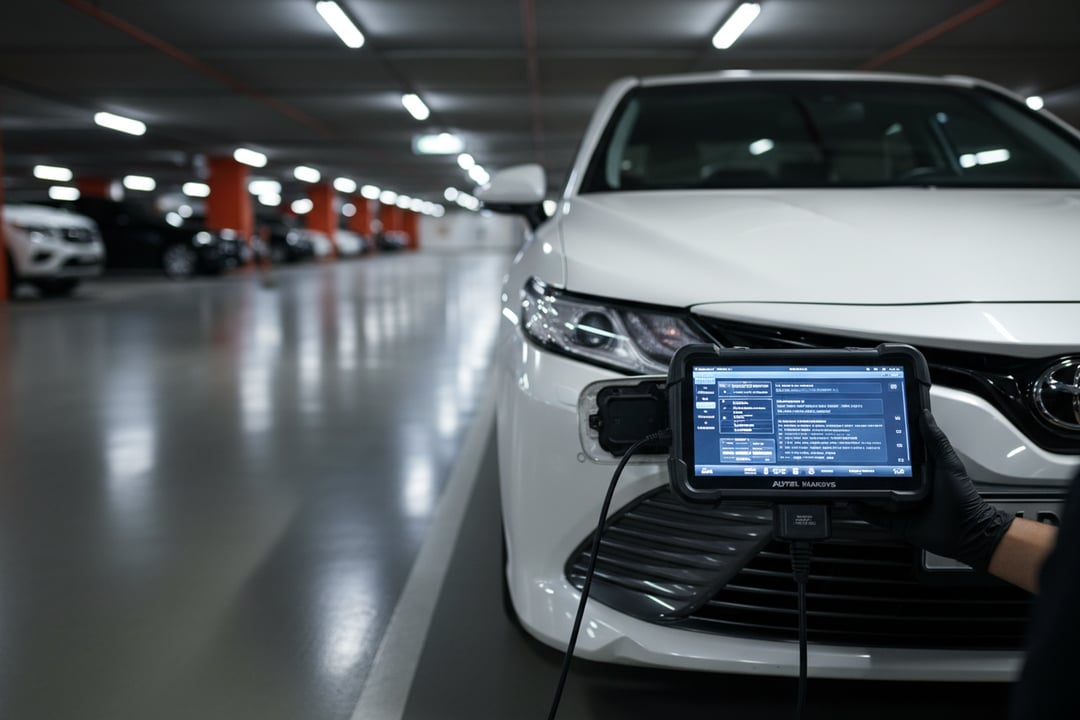
Visual inspections can only reveal so much about the mechanical health of a used vehicle. The modern automotive landscape relies heavily on computer data to diagnose hidden faults. A standard OBD scan is not enough; a comprehensive diagnostic check is required to read all systems, including the engine, transmission, ABS, and airbag modules.
For a thorough examination, specialized packages are available that cover multiple critical areas. AutoFay offers a Computer Diagnostic service for AED 99 to identify hard codes in the primary systems. For a more detailed assessment that includes paint quality and body integrity, the Body & Computer package is available at AED 250. For absolute peace of mind regarding the vehicle's overall condition, the Comprehensive package is available for AED 299.
| Inspection Package | Key Services Included | Price (AED) |
|---|---|---|
| Computer Diagnostic | Engine, Transmission, ABS, Airbag code scanning | 99 |
| Body & Computer | Panel-by-panel paint inspection, computer diagnostics | 250 |
| Comprehensive | 410+ checkpoints, HD photos, structural test, road test | 399 |
Desert driving leaves a unique fingerprint on a vehicle’s chassis and mechanical components. Ignoring the signs of wear in the undercarriage, electrical systems, and suspension can lead to safety hazards and unexpected repair bills. A professional inspection provides a detailed record of the vehicle's condition, ensuring transparency in the transaction.
Conclusion
Accurate vehicle assessment is the cornerstone of a safe purchase in the UAE market. The combination of environmental exposure and model-specific faults requires a rigorous inspection strategy. By focusing on the undercarriage, powertrain integrity, and electrical systems, buyers can identify the true condition of a used Hyundai.
AutoFay inspects 410+ checkpoints with HD photos and PDF report. Book at autofay.ae or call +971542584458



0 Comments
No comments yet. Be the first to share your thoughts!