
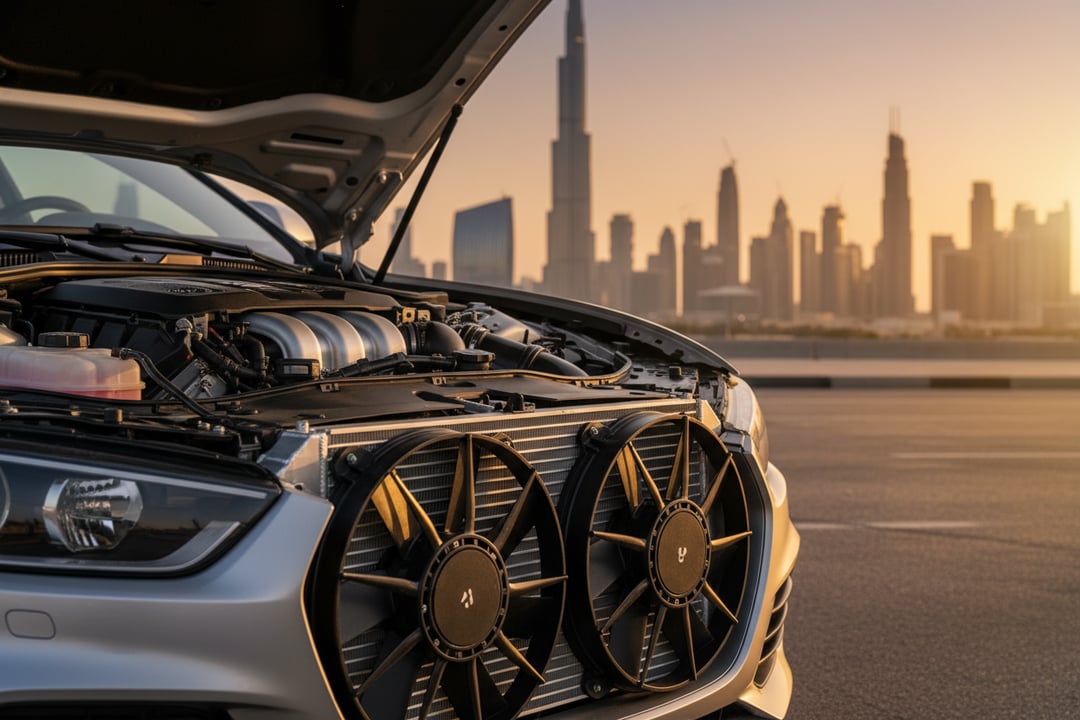
The relentless heat of the UAE climate places immense stress on internal combustion engines, making the cooling system the most critical component of any vehicle, particularly used sedans. Sedans, often designed with compact engine bays to maximize aerodynamics, possess cooling systems that work harder than those in larger SUVs or trucks. A failure in this system does not merely result in a hot engine; it can lead to catastrophic engine seizure and total vehicle write-off. Therefore, a professional inspection of the radiator, cooling fans, and water pump is non-negotiable when purchasing a pre-owned sedan.
The Radiator: Primary Heat Exchange Point
The radiator serves as the primary heat exchanger, transferring excess heat from the engine coolant to the ambient air. In the dusty environment of the UAE, radiators on used sedans often suffer from accelerated degradation due to sand intrusion and corrosion. A experienced inspector must look beyond the surface finish to identify potential failures that could lead to immediate breakdown.
- Visual Assessment of Fins: Inspectors scrutinize the aluminum fins for bending or clogging. A bent fin restricts airflow, while clogged fins trap sand and dust, preventing the radiator from dissipating heat effectively.
- Structural Integrity: The radiator core must be checked for hairline cracks. In sedans, the pressure within the cooling system is maintained by a cap; if the tank or core cracks, coolant loss occurs rapidly, leading to overheating in stop-and-go traffic.
- Hose Connection Points: The clamps and connecting points for the upper and lower hoses are examined. Loose clamps result in leaks, while brittle rubber from age can snap under pressure, causing a sudden loss of coolant.
When a radiator fails, the consequences are severe. The engine temperature gauge will spike immediately, and the vehicle will likely overheat within minutes of driving. Unlike a simple oil change, radiator replacement is a labor-intensive process that requires draining the entire system and potentially flushing out the heater core. A used sedan with a compromised radiator poses a high risk of roadside breakdown, especially during peak summer temperatures.
Cooling Fan Operation and Motor Health
Cooling fans are essential for pulling air through the radiator when the vehicle is stationary or moving slowly. Modern sedans typically utilize electric cooling fans controlled by the engine control unit (ECU). These fans are subject to wear from constant cycling, particularly in stop-and-go traffic common in Dubai and Abu Dhabi. A malfunction here ensures that the engine cannot cool down, regardless of how fast the car is traveling.
Motor Function and Noise
Inspectors listen for abnormal noises during the engine idle test. A failing fan motor may produce a grinding or whining sound, indicating bearing wear inside the electric motor. Additionally, the fan assembly is checked for wobbling, which suggests a bent mounting shaft or a failed hub.
Speed and Timing
A proper inspection involves observing the fan's behavior during engine warm-up. The cooling system thermostat controls when the fans engage. If the fans operate erratically—turning on and off rapidly without reason—the underlying issue is often a failing temperature sensor or a glitch in the fan relay, both of which require repair before the vehicle is deemed roadworthy.
Water Pump Integrity and Impeller Condition
The water pump circulates coolant through the engine and back to the radiator. In the context of used sedans, the water pump is often overlooked until it fails. It is a wear-and-tear item that typically lasts the lifespan of the vehicle, but in older models, it is prone to premature failure due to sediment in the coolant.
- Weeping Seals: A common failure indicator is a small puddle of coolant found near the bottom of the pump pulley. This "weeping" occurs when the rubber seal inside the pump degrades, allowing coolant to escape under pressure.
- Bearing Noise: As the bearings wear out, the pump pulley becomes loose. An inspector will grab the fan pulley (while the engine is off) and wiggle it to check for excessive play. Excessive movement signals imminent bearing failure, which can cause the pulley to seize, locking the belt and potentially damaging other engine accessories.
- Impeller Condition: While difficult to see without removing the pump, the impeller (the fan blade inside the pump) can corrode or shatter. A broken impeller renders the pump useless, causing the coolant to circulate without pressure, leading to rapid overheating.
Addressing a water pump failure immediately is crucial. A seized water pump can snap the serpentine belt, which drives multiple accessories, leading to a much more complex and expensive repair bill. Consequently, a used sedan with any sign of water pump leakage or noise represents a significant liability.
Comprehensive Inspection Packages
Inspecting the cooling system in isolation is insufficient; it must be viewed as part of the broader engine health. Specialized services like autofay.ae provide a rigorous framework for evaluating these components alongside the engine and transmission. Their process covers 410+ checkpoints across 25 categories to ensure a vehicle is safe for the UAE road.
| Inspection Package | Price (AED) | Key Inclusions |
|---|---|---|
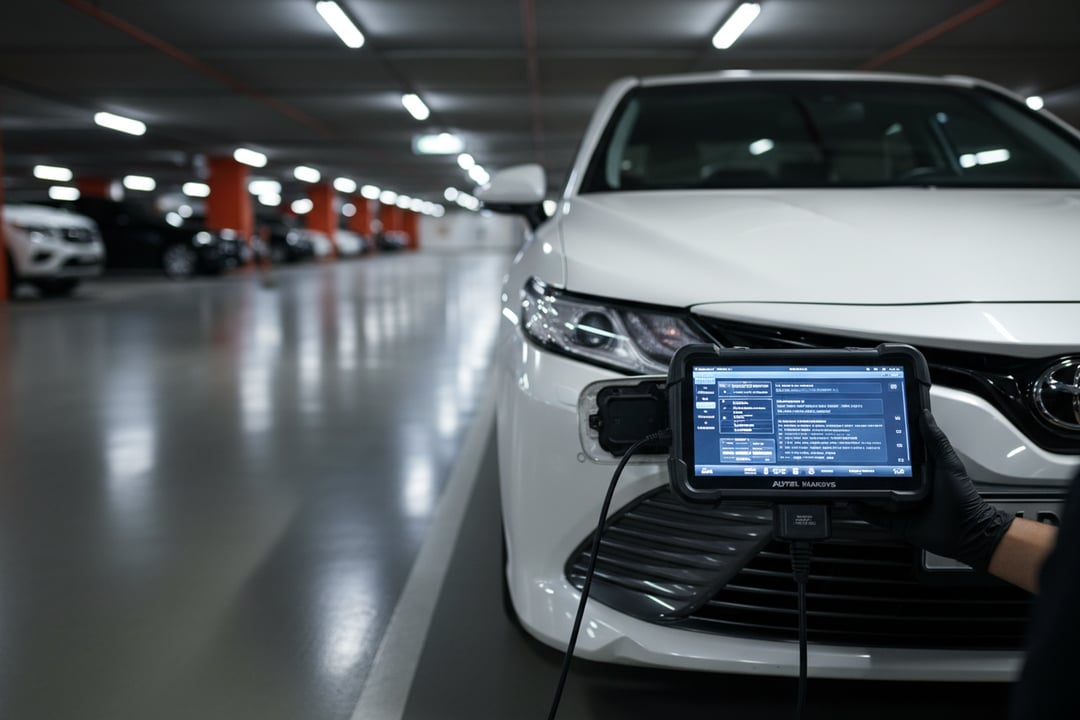
| Computer Diagnostic | 99 | OBD scan for engine codes, transmission faults, ABS, and airbag systems to detect cooling-related sensor failures. |
| Body & Computer | 250 | Panel-by-panel body inspection combined with engine diagnostics and fluid level checks. |
| Comprehensive | 399 | Full 410+ checkpoint inspection including frame integrity, suspension, tires, brakes, fluids, and cooling system performance. |
Utilizing a on-location inspection for these inspections is highly advantageous for buyers. Technicians visit the vehicle's location in any of the 7 Emirates, allowing the owner to inspect the car under realistic conditions without having to transport the vehicle to a workshop first. This immediate access ensures that cooling system tests are performed while the engine is hot and under load, revealing issues that a cold engine would hide.
Fluid Level and Condition Analysis
The condition of the coolant itself provides critical hints about the health of the cooling system components. Dark, rusty, or milky coolant indicates internal corrosion or a blown head gasket. When purchasing a used sedan, the fluid reservoir must be inspected for debris or low levels, as low coolant is a primary trigger for temperature warnings.
- Color and Clarity: Genuine coolant is usually green, orange, or pink and translucent. Opaque, brown, or oily fluid suggests internal engine damage or a leaking head gasket, often caused by overheating initiated by a faulty radiator or water pump.
- System Pressure: A visual inspection of the radiator cap and hoses looks for swelling, which indicates excessive pressure buildup due to a blockage or thermostat failure.
- Thermostat Function: While not a mechanical part, the thermostat is a valve that regulates coolant flow. If it fails to open, the engine cannot cool down. Inspectors verify this by monitoring temperature rise during a road test.
Failure to maintain the cooling system leads to engine knocking and misfiring. Once the engine block heats up past its tolerance, the aluminum pistons expand, causing them to seize inside the cylinder bores. This condition requires a complete engine rebuild or replacement, transforming a simple used car purchase into a financial burden.
Ensuring the cooling system of a used sedan is in prime condition requires expertise and attention to detail. Professionals at autofay.ae conduct 410+ checkpoint inspections, providing HD photos and a detailed PDF report to validate the vehicle's status. For reliable inspection services across the UAE, contact autofay.ae or call +971542584458.



0 Comments
No comments yet. Be the first to share your thoughts!