

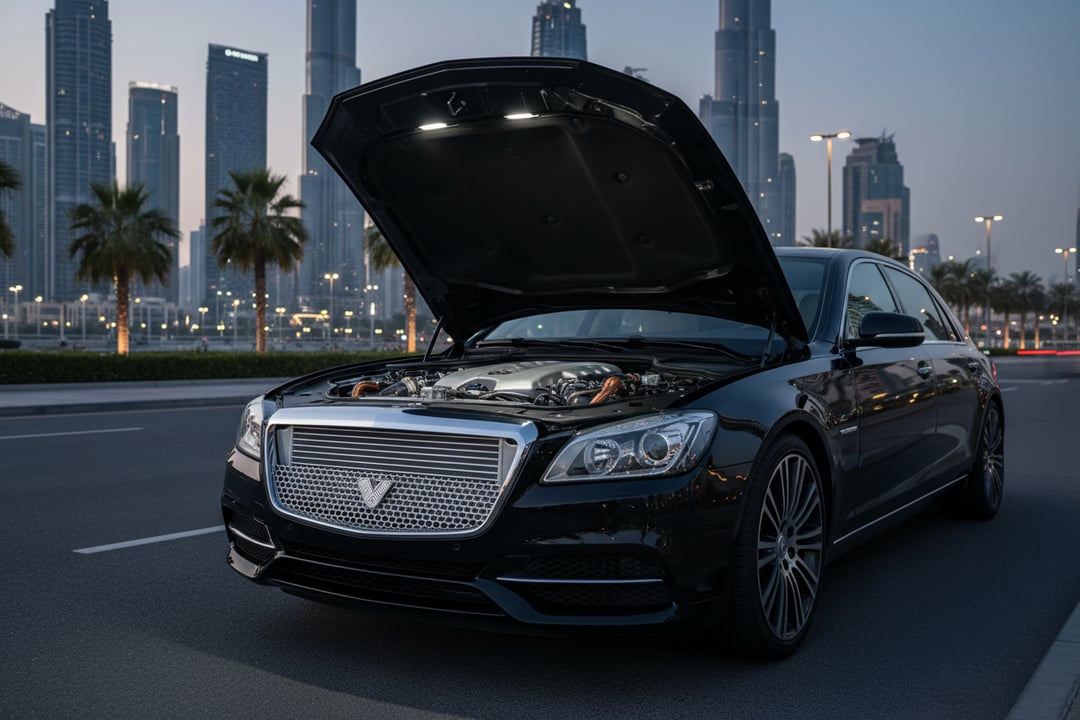
Operating an internal combustion engine in the United Arab Emirates presents a unique thermal challenge. The ambient temperatures, combined with stop-and-go traffic and sustained highway speeds, place immense stress on the engine's ability to dissipate heat. For used luxury vehicles, where engineering tolerances are tighter and component complexity higher, the cooling system acts as the primary defense against catastrophic mechanical failure. A compromised cooling system does not merely cause a temperature warning light; it can lead to warped cylinder heads, blown head gaskets, and eventual engine seizure. Therefore, a rigorous inspection of the radiator, cooling fans, and water pump is non-negotiable when purchasing a pre-owned high-performance sedan or SUV.
The Critical Role of Thermal Regulation in Luxury Engineering
Luxury vehicles often utilize aluminum engines and complex intercooler systems that operate at higher efficiencies than standard economy vehicles. This efficiency generates significant heat, requiring a cooling system capable of maintaining optimal operating temperatures under extreme load. Unlike older vehicles that might tolerate a minor coolant leak, a modern luxury engine will often reach critical thermal limits within minutes of overheating. The inspection process must determine if the cooling infrastructure is robust enough to withstand the UAE climate. A thorough evaluation looks beyond simple fluid levels to assess the structural integrity and operational effectiveness of every component in the thermal management loop.
Radiator Inspection: Fins, Tanks, and Corrosion
The radiator serves as the primary heat exchanger, transferring heat from the engine coolant to the ambient air. When inspecting a used luxury vehicle, the radiator must be examined closely for signs of physical degradation. Aluminum radiators, while efficient, are susceptible to corrosion, particularly if the coolant has not been changed at the recommended intervals. Inspectors look for pinhole leaks along the aluminum tubes, which are often the first sign of aging. The plastic end tanks are another critical point of failure; they are often bonded to the aluminum core with plastic cement that can crack due to the constant thermal expansion and contraction cycles experienced in the desert heat.
Furthermore, the radiator cap plays a vital role in maintaining system pressure. The cooling system in most vehicles operates at pressures significantly higher than atmospheric pressure to raise the boiling point of the coolant. A faulty cap cannot maintain this pressure, leading to boiling at lower temperatures and rapid coolant loss. Inspectors must verify that the cap seals correctly and that the pressure rating matches the manufacturer's specifications. A clogged or bent radiator core reduces airflow efficiency, forcing the engine to work harder to stay cool, which can lead to premature wear on the piston rings and bearing surfaces.
Cooling Fans: Airflow Management and Electric Mechanisms
Modern luxury vehicles typically utilize electric cooling fans rather than engine-driven clutches for the radiator and the air conditioning condenser. This design allows for variable fan speeds based on demand, but it introduces complexity into the cooling system. During a static inspection or a low-speed test, the cooling fans should activate when the air conditioning is turned on or when the engine temperature rises. A silent fan or one that fails to engage immediately upon activation indicates a potential electrical fault or a failing sensor.
Inspectors must listen for bearing noise when the fans are activated. A grinding or whining sound suggests a worn motor bearing, which will likely lead to complete fan failure while driving. The fan blades themselves should be checked for cracks or bending, which can cause vibration and imbalance. In some vehicles, the fan shroud is crucial for directing airflow through the radiator efficiently. If a shroud is missing or damaged, the cooling system loses its aerodynamic efficiency, resulting in poor heat dissipation during idling or slow-moving traffic where ambient airflow is insufficient.
Water Pump Diagnostics: Seals and Impeller Integrity
The water pump circulates coolant through the engine block and the radiator. In many luxury applications, the pump is driven directly by the serpentine belt, meaning it rotates continuously while the engine is running. The primary failure point in most water pumps is the seal between the pump body and the shaft. Inspectors check the “weep hole” on the bottom of the pump housing; a crusty residue or wet spot around this hole indicates a leaking seal that is losing coolant.
Another critical component is the impeller, which is usually made of plastic in modern vehicles. Over time, the plastic impeller can erode or shatter, reducing the volume of coolant circulated. If the impeller strips, it will not pump coolant effectively, causing the engine to overheat instantly despite having plenty of fluid in the reservoir. Inspecting the water pump also involves checking the drive belt for signs of glazing or fraying, as a slipping belt can prevent the pump from spinning at the correct speed. A failed water pump can lead to immediate engine failure, making it a high-risk item for potential buyers.
Evaluating Risks: The Consequences of Cooling System Failure
The financial risk associated with a neglected cooling system in a luxury vehicle is substantial. Unlike minor cosmetic imperfections, cooling issues demand immediate and expensive remediation. A single overheating event can warp cylinder heads, requiring a cylinder head resurfacing job that costs thousands of dirhams. In extreme cases, the engine may suffer from a blown head gasket, necessitating a complete engine rebuild or replacement. These repairs often exceed the value of the vehicle itself, rendering a seemingly "well-maintained" car a financial liability.
Understanding the potential consequences allows buyers to prioritize inspections effectively. A cooling system failure rarely happens without warning; symptoms often include a rising temperature gauge, steam coming from the hood, or the smell of sweet syrup (coolant) near the engine bay. Recognizing these signs requires a trained eye. This is where professional evaluation becomes essential. An amateur inspection might miss a hairline crack in the radiator that only reveals itself under high pressure.
Strategic Inspection Packages for Peace of Mind
Investing in a professional inspection service provides a structured approach to uncovering these hidden thermal liabilities. The inspection process involves visual checks, pressure testing, and road testing to simulate real-world thermal loads. By utilizing structured packages, buyers can ensure that the cooling system is evaluated comprehensively without the guesswork of a DIY assessment. These services act as a financial safeguard, identifying issues that could otherwise result in unforeseen repair costs.
When considering the value of the inspection, it is vital to weigh the cost of a diagnostic service against the potential cost of a cooling failure. A comprehensive evaluation covers the entire vehicle, ensuring that no single system is overlooked. By identifying specific faults, buyers can negotiate price reductions with sellers or walk away from a vehicle that poses a significant risk.
| Inspection Package | Recommended For | Core Focus Areas |
|---|---|---|
| Computer Diagnostic AED 99 | Initial vehicle scan | Electronic sensors, error codes, and system communication. |
| Body & Computer AED 250 | Primary purchase decision | Panel alignment, paint consistency, and engine management codes. |
| Comprehensive AED 299 | High-value luxury vehicles | Full mechanical stress test, fluid analysis, and structural integrity. |
- Visual Inspection: Checking for coolant leaks, corrosion, and hose condition.
- Pressure Test: Pressurizing the cooling system to identify hard-to-find leaks.
- Component Function: Testing thermostat opening temperatures and fan operation.
For those purchasing used luxury vehicles in the UAE, the harsh environment demands that every system be operating at peak efficiency. The cooling system is the unsung hero of vehicle longevity. A failure here is not just inconvenient; it is often terminal for the engine block. By understanding the mechanics of the radiator, fans, and water pump, buyers can better appreciate the value of a thorough inspection. This diligence ensures that the vehicle purchased is not only roadworthy but also retains its value over time.
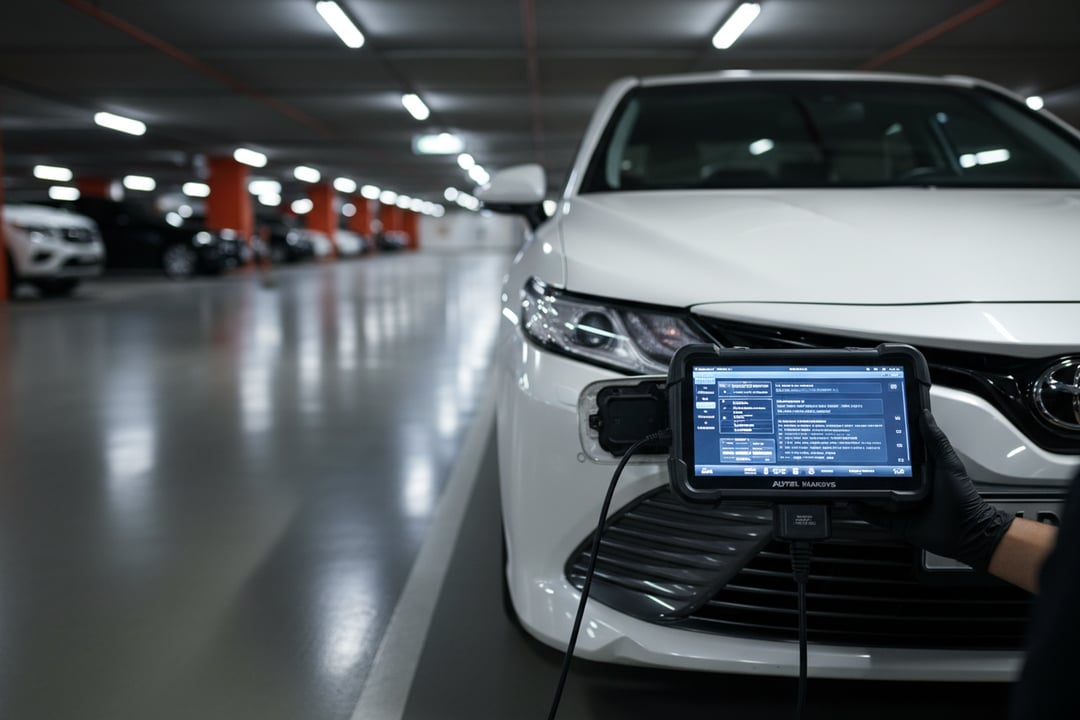
Professional inspection services utilize advanced diagnostic tools and physical expertise to assess the thermal management system accurately. They provide a detailed report highlighting specific issues with the cooling components, allowing the buyer to make an informed decision. This level of scrutiny is particularly important for luxury vehicles, where the cost of repair is significantly higher than for standard vehicles. Engaging a experienced inspector ensures that no detail is missed and that the vehicle is ready for the demands of daily driving in the Emirates.
The thermal management system is an interconnected web of hoses, pumps, and radiators. A failure in one component can place undue stress on the others, leading to a cascade of failures. For example, a failing water pump can cause the engine to overheat, which can subsequently crack the radiator. Therefore, a comprehensive inspection must look at the system as a whole, rather than in isolation. This holistic approach is the hallmark of a professional vehicle inspector.
Ultimately, the goal of the inspection is to identify risks before they become emergencies. The cost of the inspection is minimal compared to the potential cost of an engine replacement. By leveraging professional inspection packages, buyers can gain access to a 410+ checkpointlist that covers the cooling system, the engine, the transmission, and the brakes. This ensures that the vehicle is safe, reliable, and ready for the road.
AutoFay inspects 410+ checkpoints with HD photos and PDF report. Book at autofay.ae or call +971542584458




0 Comments
No comments yet. Be the first to share your thoughts!