

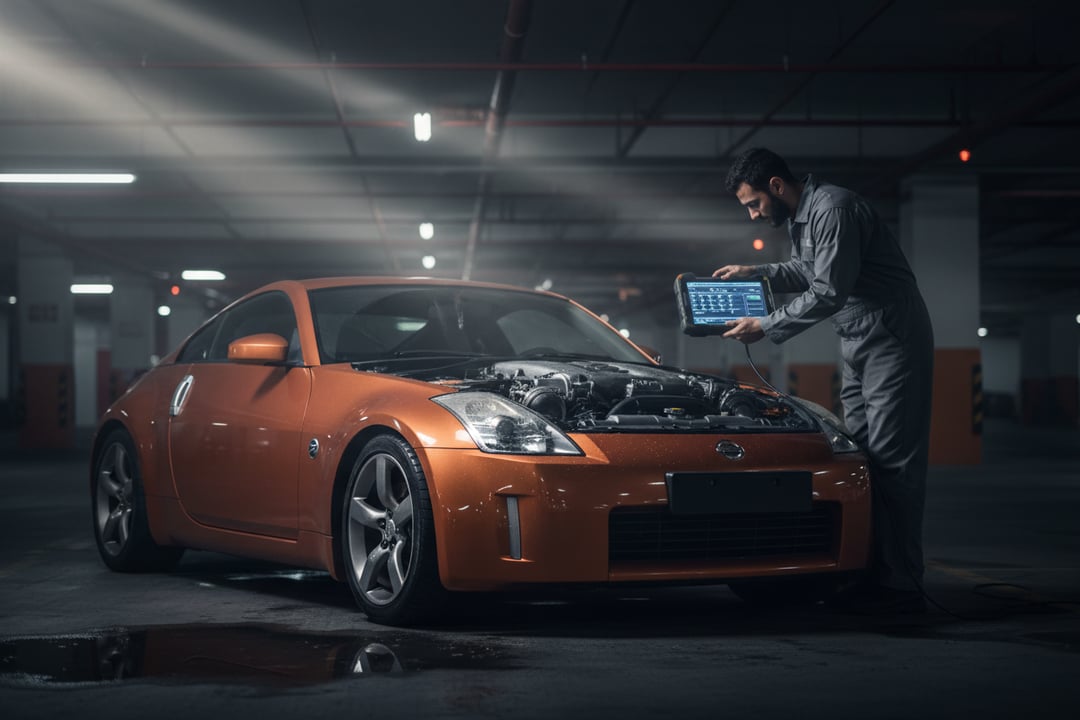
The Gulf coastline presents a unique set of challenges for vehicle longevity, primarily driven by high humidity and saline air. For owners of used Japanese imports in the UAE, including popular Nissan models, these conditions accelerate specific mechanical and structural failures. Coastal humidity creates a thermodynamic cycle of condensation and evaporation that corrodes electrical connections and compromises structural integrity. Understanding these vulnerabilities allows for a more rigorous evaluation process when purchasing a pre-owned vehicle. This analysis details the specific damages caused by the coastal environment and outlines the critical checkpoints required during an inspection.
The Corrosion Cycle and Electrical Vulnerability
Salt-laden air contains sodium chloride, which is highly hygroscopic and attracts moisture. When this moisture condenses on metal surfaces, it initiates electrochemical reactions that lead to rust. For Nissan vehicles, the most immediate casualty is often the electrical system. The interior of the cabin and the engine bay become humid environments where heat from the engine exacerbates the condensation process. This accelerates the degradation of wiring harnesses, connectors, and electronic control units. Even with modern waterproofing, prolonged exposure can lead to pinched or brittle wires that eventually short-circuit, leading to erratic sensor readings or total system failure.
Nissan Patrol (Y61/Y62): Structural Integrity
The Nissan Patrol is a staple in the UAE market, but models imported from coastal regions often suffer from chassis rot. The primary area of concern is the "sandwich" section between the front and rear suspension mounts. Salt spray enters through the wheel arches and settles in the rocker panels and sills. Over time, the structural pillars and frame rails begin to rust from the inside out. A compromised chassis alters the vehicle's alignment and reduces its ability to absorb impact forces. Inspectors must look for bubbling paint, surface rust on the chassis rails, and unusual drivetrain vibrations that may indicate mounting point degradation.
Pathfinder (R50/R51) and Qashqai: Harness and Seal Degradation
The Pathfinder and Qashqai utilize complex electronic architectures for their stability control and infotainment systems. The wiring harnesses for these vehicles run along the floor pan and under the dashboard. In humid conditions, the insulation on these wires can crack, allowing moisture to wick into the copper conductors. This causes intermittent electrical faults, such as flickering dashboard lights or failure of the Bluetooth and navigation systems. Furthermore, the door seals on these models are prone to cracking due to UV exposure combined with humidity, allowing water ingress that corrodes the door control modules and window regulators.
Common Humidity-Related Nissan Faults
Inspectors should prioritize looking for the following specific faults that are statistically more prevalent in humid environments:
- Dead Battery or Slow Crank: High humidity accelerates the natural discharge rate of batteries and corrodes the terminals, leading to intermittent starting issues.
- Cabin Air Filter Mold: Excessive moisture trapped in the HVAC system promotes the growth of mold and bacteria, leading to musty odors and reduced AC efficiency.
- Power Window Malfunctions: Water intrusion due to faulty weather stripping leads to corrosion of the window switch contacts and regulator motors.
- ECU Water Damage: Leaks from the sunroof or door frames can reach the engine control unit, causing the car to stall or fail to start intermittently.
- Rust Under the Carpet: Floor mats retaining water create a corrosive environment for the vehicle’s structural floor pan.
Strategic Inspection Priorities
When evaluating a Nissan in a coastal climate, the inspection must go beyond surface aesthetics. A visual inspection is insufficient to detect hidden corrosion or electrical degradation. Professional evaluation requires a systematic approach covering the vehicle's body, frame, and electronic systems.
Key areas of focus include the Body and Paint category, where a panel-by-panel check reveals original factory paint versus expensive replications that cover rust. The inspector must examine the Frame for structural integrity, specifically checking the pillars, floor pan, and rails for signs of previous welding or corrosion damage that was patched up.
The engine compartment requires a detailed check for engine mounts and smoke color during a test drive, as humidity can destabilize mounts and cause poor oil combustion due to moisture in the fuel system. Fluids must be inspected for level and condition, as water contamination in the coolant or brake fluid drastically reduces their efficacy. Furthermore, a road test is necessary to diagnose acceleration, braking, and noise issues that may be exacerbated by a compromised electrical system or suspension.
Diagnostic and Package Options
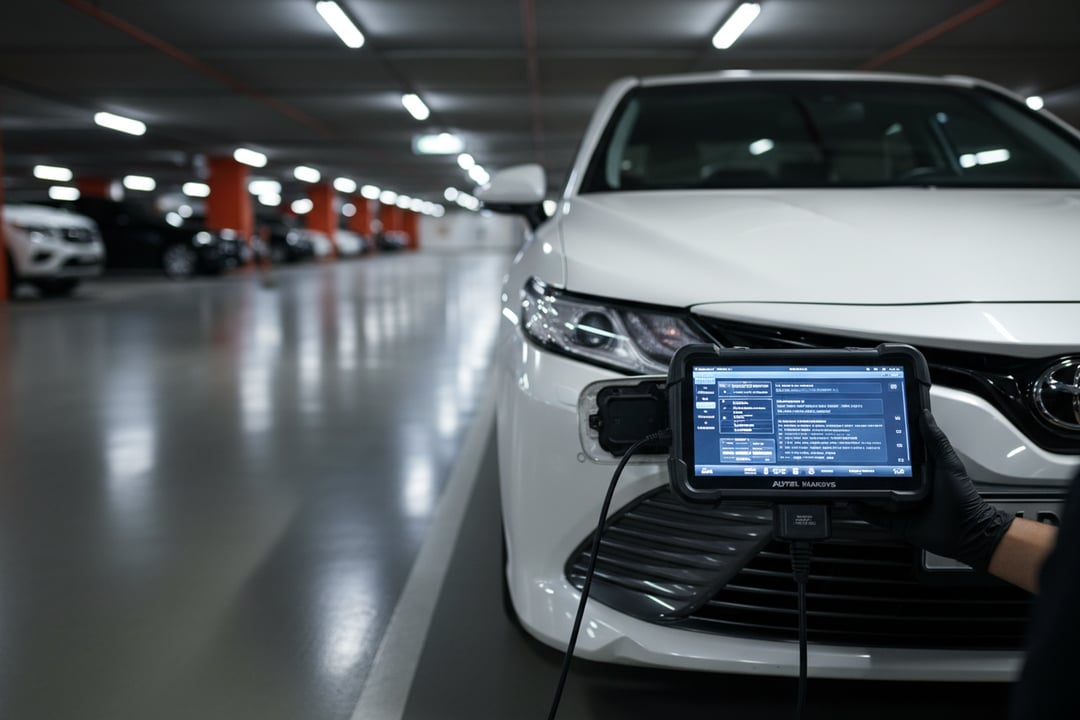
Uncovering hidden humidity-related damage often requires specialized equipment. The OBD scan is essential for reading engine, transmission, ABS, and airbag codes that may not be apparent during a visual walk-around. An OBD scan can reveal intermittent sensor faults caused by moisture in the harness.
To address these specific needs, AutoFay offers comprehensive inspection packages tailored to uncovering these issues. The Computer Diagnostic service, priced at AED 99, provides a deep technical analysis of the vehicle's electronic brain. For a more thorough assessment of the physical condition, the Body & Computer package at AED 250 covers the electrical systems alongside a structural paint inspection. The most thorough option is the Comprehensive package at AED 299, which includes the Computer Diagnostic, Road Test, and a detailed analysis of Body, Frame, Engine, and Mechanical components.
Inspection Checklist Summary
The following table outlines the critical categories and specific items that must be evaluated to mitigate humidity-related risks in Nissan vehicles.
| Inspection Category | Specific Nissan Humidity Risks | AutoFay Priority Check |
|---|---|---|
| Body & Paint | Rust in wheel arches and sills; repainted panels hiding corrosion. | Panel-by-panel inspection for original paint thickness and rust bubbles. |
| Frame & Structure | Rust on chassis rails and pillars; compromised mounting points. | Check floor pan, rails, and pillars for structural integrity and welds. |
| Electronics (OBD) | Short circuits in wiring harnesses; sensor failure due to moisture. | Scan for engine/trans/ABS/airbag codes indicating electrical faults. |
| Engine & Drivetrain | Corroded mounts affecting vibration; moisture in oil. | Check engine sound, smoke color, and mount condition during road test. |
| Fluids | Water contamination in coolant or brake fluid. | Assess fluid level and physical condition for clarity and color. |
Coastal humidity accelerates the aging of electrical components and structural steel in Nissan vehicles. Purchasing a used car requires a rigorous vetting process that goes beyond visual appeal. By prioritizing a professional inspection that covers electrical diagnostics, structural integrity, and fluid condition, buyers can identify hidden failures before they become expensive liabilities.
AutoFay inspects 410+ checkpoints with HD photos and PDF report. Book at autofay.ae or call +971542584458



0 Comments
No comments yet. Be the first to share your thoughts!