

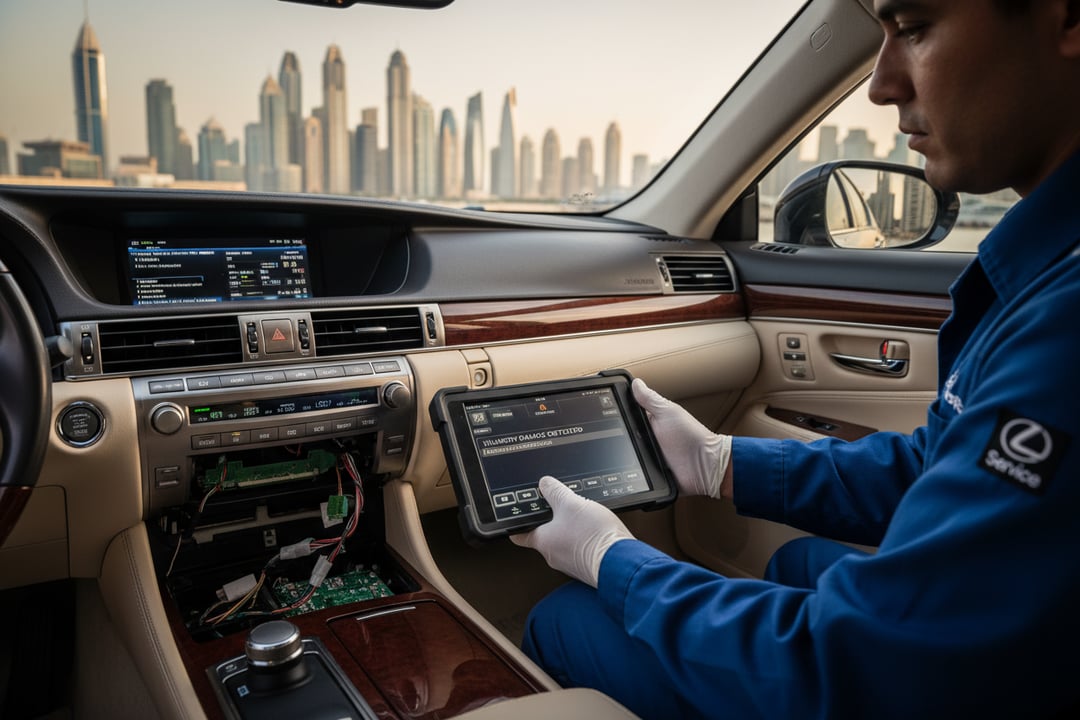
The automotive landscape of the United Arab Emirates presents a unique set of challenges for vehicle longevity, particularly along the coastline. For owners of used Lexus vehicles, the allure of Japanese engineering and luxury is often shadowed by a formidable adversary: coastal humidity. The saline environment present in cities like Dubai, Sharjah, and Umm Al Quwain accelerates the degradation of vehicle components far more rapidly than the interior desert climate. When purchasing a pre-owned Lexus, understanding how salt and moisture interact with specific materials is essential for accurate valuation and safety assessment.
The Mechanics of Maritime Degradation
Coastal humidity in the UAE does not merely sit on the surface; it permeates the vehicle's systems. High levels of moisture in the air increase the likelihood of condensation forming within seams, panels, and under the carpet. Salt particles, carried by the breeze, settle on the chassis and electrical components. Once these particles mix with moisture, they create a corrosive electrolyte that attacks metal and electrical contacts. This process is relentless, often progressing silently until a component fails or visible rust becomes apparent.
Model-Specific Vulnerabilities
Lexus vehicles are designed with high standards, yet certain models exhibit specific weaknesses when exposed to prolonged maritime conditions. Identifying these model-specific issues during an inspection is critical for long-term ownership.
- Lexus LS and LX Series: These luxury sedans and SUVs house complex electrical architectures, particularly under the rear seats. The accumulation of moisture in these areas can short-circuit seat heating elements, lumbar motors, and electronic control units. Furthermore, the air suspension systems common in these models are prone to seal degradation, leading to air leaks that result in a sagging ride height.
- Lexus RX Series: The integrated hood liner in the RX is a notorious weak point. It sits directly against the radiator and often collects road spray and exhaust gases. This environment promotes rapid oxidation of the aluminum hood and the liner itself. A compromised hood liner can trap heat, leading to paint blistering on the engine bay and accelerating the rusting of the radiator support.
- Lexus IS and ES Series: These models often suffer from corrosion at the lower door sills and wheel arches. The drainage channels in these areas can become clogged with sand and salt, causing water to pool on the outer skin and rust from the inside out. This hidden rot significantly devalues the vehicle and can compromise structural safety if left unaddressed.
Electrical System Degradation
Modern Lexus vehicles rely heavily on a sophisticated network of sensors and electronic control units. Coastal environments pose a significant threat to this electronic infrastructure. Salt and humidity are the primary culprits in causing "electrical gremlins."
Symptoms of humidity-induced electrical failure often manifest as erratic behavior in the cruise control system, malfunctioning lane departure warnings, or power window malfunctions. These issues are frequently intermittent, making them difficult to diagnose without specialized equipment. A failing sensor due to corrosion can trigger a cascade of error codes across the vehicle's network. Unlike mechanical failures that grow louder, electrical corrosion issues can fail silently and unpredictably, leaving the driver stranded or with a vehicle that displays multiple warning lights on the dashboard.
Structural Integrity and Frame Inspections
The most dangerous consequence of coastal humidity is the hidden weakening of the vehicle's structural frame. Corrosion does not respect the original factory welds. Inspectors must focus heavily on the chassis rails, the firewall, and the door pillars.
If the vehicle has been in a flood or exposed to sea water, the consequences can be catastrophic. Rust can eat through the floor pans, compromising the vehicle's structural rigidity. It can also compromise the brake lines and fuel lines, which are often routed near the underbody. High humidity accelerates the oxidation of the exhaust system, leading to premature failure of mufflers and catalytic converters, which can result in dangerous carbon monoxide buildup within the cabin.
Inspection Priorities and Methodology
Performing a visual inspection of a used Lexus is insufficient; a thorough evaluation requires a systematic approach. Potential buyers must prioritize specific categories to uncover the true condition of the vehicle.
- Body and Paint Analysis: Look for mismatched paint shades or excessive overspray, which indicates previous repairs following collision damage. Inspect the paint thickness using a gauge to detect panel repainting, which may hide rust underneath.
- Frame and Undercarriage: The vehicle must be raised to inspect the chassis rails for rust. Pay close attention to the shock absorbers, control arms, and the exhaust system for signs of oxidation.
- Fluids and Under-hood: Check the engine oil for a milky texture, which indicates water contamination. Inspect the coolant reservoir for signs of oil mixing with the fluid, suggesting a blown head gasket potentially exacerbated by overheating in a humid environment.
- Suspension and Brakes: Inspect the brake rotors for rust pitting, which can cause vibration during braking. Check the suspension mounts for rust that could lead to instability.
| Inspection Category | Key Checkpoints | Risk Assessment |
|---|---|---|
| Body & Paint | Panel gaps, rust bubbles, paint thickness | Structural weakness, cosmetic depreciation |
| Frame | Rust on rails, pillars, floor pan | Compromised safety, alignment issues |
| Engine | Misfires, smoke color, oil leaks | Engine failure, costly repairs |
| Electronics | ECU codes, sensor functionality | Intermittent faults, safety systems disabled |
The Diagnostic Imperative
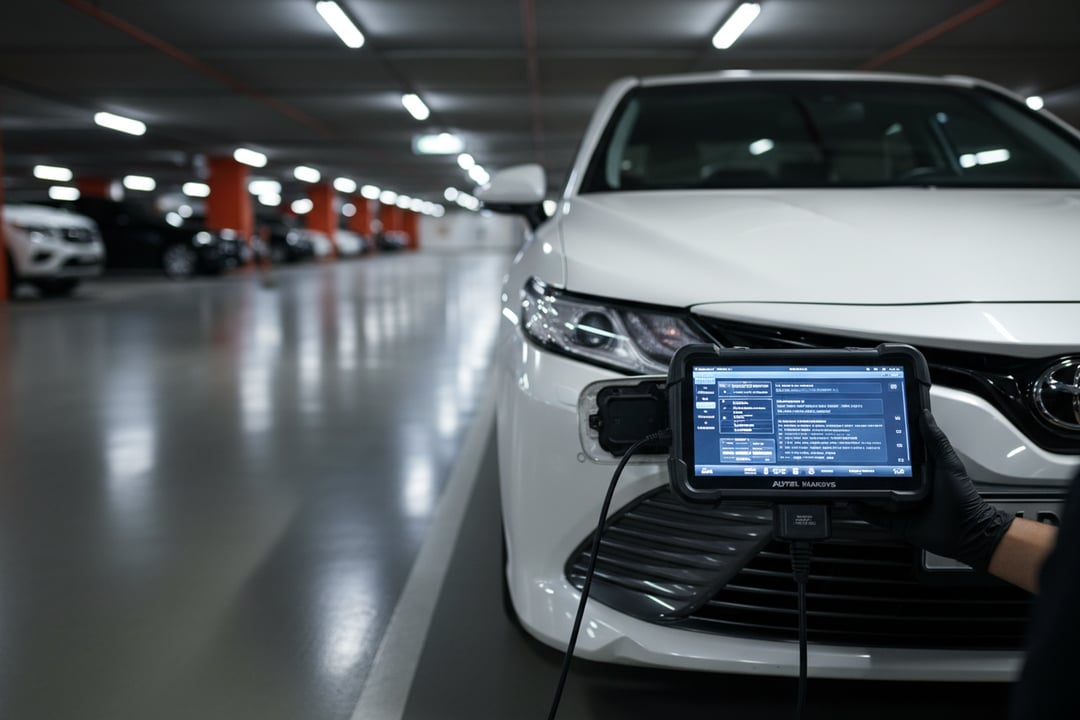
Visual inspections often miss the root cause of electrical failures. A computer diagnostic scan is the only way to retrieve the hidden history of the vehicle's electronic control units. This process reads error codes stored by the ECU, revealing past faults and current system health. For a coastal vehicle, checking the ABS, airbag, and transmission modules is crucial, as these systems are sensitive to moisture and voltage fluctuations. Relying solely on a test drive can miss critical electronic faults that only manifest under specific load conditions or temperature changes.
Conclusion
Coastal humidity poses a persistent threat to the longevity and safety of used Lexus vehicles in the UAE. The insidious nature of salt corrosion requires a rigorous, multi-point inspection strategy that goes beyond superficial visual checks. From the hood liner of an RX to the electrical seating controls of an LS, every component is susceptible to the harsh marine environment. Professional inspection services bridge the gap between observation and diagnosis, ensuring that potential defects are exposed before they become liabilities.
AutoFay inspects 410+ checkpoints with HD photos and PDF report. Book at autofay.ae or call +971542584458



0 Comments
No comments yet. Be the first to share your thoughts!