

Coastal living in the United Arab Emirates offers a lifestyle that few can resist, yet it presents a severe mechanical challenge for vehicle owners. The combination of high ambient temperatures and the omnipresent salt spray from the Arabian Gulf creates an environment that accelerates corrosion far faster than inland regions. For used Honda owners and buyers, understanding how this specific weather pattern degrades the vehicle is critical for long-term ownership. The risks are not merely cosmetic; they affect structural integrity and electronic reliability. To navigate the used market safely, one must look beyond the odometer and understand the hidden toll that humidity takes on these machines.
The Corrosion Threat in the Gulf Climate
The primary enemy of any vehicle in the UAE coastline is electrolytic corrosion, accelerated by salt. When sea spray deposits on the undercarriage, it mixes with moisture and road debris to form an electrically conductive paste. This paste acts as a catalyst for rust, eating away at steel components from the inside out. Unlike paint scratches, which can be seen immediately, the damage often begins within the body cavities where access is restricted.
Hondas are notorious for having a relatively long lifespan, but the chassis is often the first component to suffer when salt intrusion is ignored. The heat exacerbates this by causing condensation inside the cabin and engine bay, which drips onto vulnerable metal parts. A vehicle that has spent its life in Sharjah or Dubai Marina requires a much more rigorous inspection than one kept inland. Owners must remain vigilant about the chemical interaction between salt and the vehicle's protective coatings.
Common Vulnerable Areas
Inspection of the wheel arches is paramount. These areas are designed to shed water, but salt builds up there fastest. Look for bubbling paint or granular rust underneath the clear coat. Another critical zone is the sill area where the door meets the body. If the rubber seal has perished, water and salt will pool against the metal, leading to "rail rust" that can compromise the structural safety of the vehicle.
Model-Specific Vulnerabilities
Not all Hondas react the same way to the coastal environment. Different model generations have different body engineering and material quality, which dictates where humidity will strike first.
- Honda Civic (10th Generation): While generally robust, the lower door sills and the area behind the rear wheels are frequent targets for rust. The plastic cladding on these models often cracks due to heat, allowing water to reach the metal frame.
- Honda Accord (8th, 9th, and 10th Generations): These sedans are popular on the UAE roads, but the rocker panels are notoriously susceptible. If you see signs of welding on the bottom of the doors, the previous owner likely attempted to repair rust that had breached the protective seal.
- Honda CR-V: The higher ground clearance of the CR-V helps keep the chassis slightly drier, but the battery tray and the front subframe are common failure points due to salt accumulation from the front wheels.
| Model | Primary Vulnerable Area | Specific Damage Type |
|---|---|---|
| Civic | Door Sills & Wheel Arch | Rail Rust & Surface Corrosion |
| Accord | Rocker Panels & Underbody | Structural Pitting & Panel Replacement |
| CR-V | Battery Tray & Subframe | Electrolytic Corrosion & Mount Failure |
Electrical Systems and the Silent Killer
While rust eats metal, humidity attacks electronics. The electrical systems in Honda vehicles, particularly those equipped with the K-series engines, are sensitive to moisture ingress. Coastal humidity can cause sensors to malfunction or electrical connectors to corrode internally, leading to erratic behavior that is difficult to diagnose with the naked eye.
A critical fault common in humid conditions is the failure of the ignition coils. The heat and vibration of the engine, combined with moisture, can cause coil coils to crack or short out. This results in the car jerking during acceleration or the engine light illuminating with misfire codes. Another frequent issue is moisture accumulation in the spark plug wells. If water gets into the cylinder head through the spark plug tube seals, hydro-locking or misfires can occur, potentially damaging the engine pistons if not addressed immediately.
Diagnostic Priorities for Electronics
Visual inspection of the engine bay will often reveal burnt oil on the coils or corrosion on the battery terminals, but it will not show internal electrical faults. Therefore, a vehicle history in a humid region demands a computer diagnostic scan to check for stored error codes. Ignoring these codes can lead to further cascading failures in the transmission or ABS systems, which rely on accurate electronic inputs.
Inspection Priorities: Body, Frame, and Fluids
When inspecting a used Honda in a coastal area, the inspection checklist must be expanded to account for environmental stress. You cannot rely on a standard visual check; you must look for evidence of past neglect or repairs.
Start the inspection with the Body & Paint categories. Use a magnet to test for body filler. If the magnet doesn't stick to the doors or hood, there is likely filler over rust. This filler traps moisture and will eventually bubble and crack, leaving you with a cosmetic and structural mess. The Frame check is equally important. Lift the vehicle and inspect the floor pans for holes or soft spots. Salt can eat through the metal sheeting quickly, compromising the vehicle's safety rating.
- Check the Battery: Corroded battery terminals are a sign of high humidity and acid leaks, which can damage the vehicle's electrical system.
- Inspect Fluids: Open the hood and the brake fluid reservoir. If the fluid looks like muddy water or is dark brown, water has likely contaminated it due to condensation or leaks.
- Suspension and Brakes: Salt accelerates the wear on brake calipers and rotors, leading to sticking brakes and reduced stopping power.
The Role of Professional Diagnostics
Given the complexity of modern Honda vehicles, a visual inspection is rarely sufficient to guarantee that the car is free of hidden humidity-related damage. The electrical architecture in these cars is intricate, and symptoms of moisture damage often do not appear until the vehicle is driven in specific conditions.
Investing in a professional inspection service provides an objective assessment of the vehicle's condition. The service should include a comprehensive road test to evaluate how the car handles at speed and under braking. Any unusual vibration or noise during the test can indicate suspension components that have weakened due to rust.
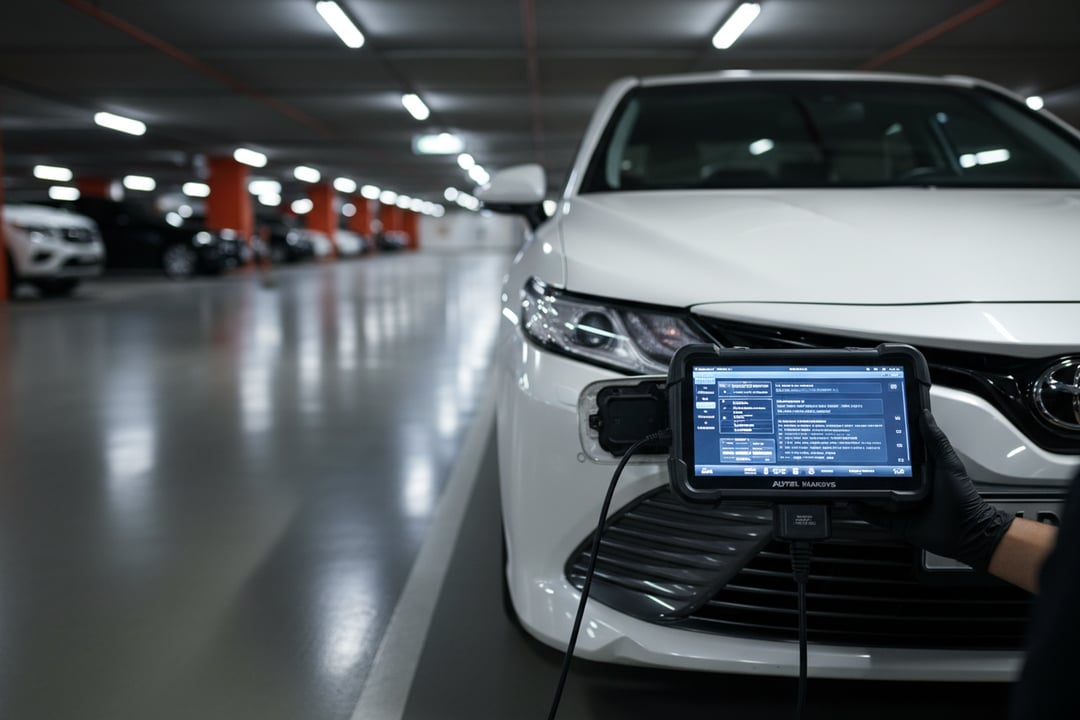
For a thorough evaluation, requesting a Computer Diagnostic check is highly recommended. This process reads the Engine, Transmission, ABS, and Airbag systems to identify any dormant or active fault codes. A hidden electrical fault can sometimes be the precursor to a significant failure, and catching it early saves money in the long run.
AutoFay provides a on-location inspection service covering all 7 Emirates, ensuring that you can have a experienced inspector examine the vehicle wherever you are located. The service includes a detailed report with HD photos highlighting specific areas of concern.
Utilizing a comprehensive package allows for a panel-by-panel analysis of the body and frame, ensuring no rust is missed. The inspection covers the engine for sound and smoke, the brakes for pad wear ratings, and the tires for manufacturing dates and tread depth. This level of scrutiny is essential when purchasing a used car in a climate as harsh as the UAE coastline.
Understanding the specific weaknesses of Honda models in humid environments allows buyers to make calculated decisions. Do not assume that a low mileage indicates a well-maintained vehicle. A car that sat idle for a long period in humidity will suffer from rubber dry rot and internal rust, regardless of how few miles were actually driven.
By prioritizing the inspection of the chassis and the electrical systems, you avoid the pitfalls of buying a vehicle that requires immediate and expensive repairs. The consequences of neglecting these checks include safety hazards on the road and significant financial loss.
When the time comes to verify the condition of a used Honda, rely on professional expertise rather than guesswork. A thorough inspection uncovers the truth behind the vehicle's history.
AutoFay inspects 410+ checkpoints with HD photos and PDF report. Book at autofay.ae or call +971542584458




0 Comments
No comments yet. Be the first to share your thoughts!