
The used SUV market in the UAE represents a significant portion of the automotive landscape, driven by the demand for elevated driving position and cargo utility. However, the very features that make SUVs popular—higher ground clearance and aggressive styling—also render them susceptible to specific types of body damage. A vehicle’s exterior panels are not merely cosmetic coverings; they serve as the first line of defense against impact energy and environmental corrosion. When purchasing a pre-owned SUV, distinguishing between genuine wear and tear and hidden structural compromise requires a rigorous, panel-by-panel examination. Inspecting the Front Bumper, Hood, and Quarter Panels reveals critical data points regarding a vehicle’s history. Ignoring these areas can lead to undetected frame misalignment, sensor malfunctions, and costly future repairs. A professional inspection service must utilize a structured checklist to verify the integrity of these specific components against the manufacturer’s specifications.
The Structural Significance of Body Panels
SUVs possess a higher center of gravity and distinct ground clearance compared to sedans or hatchbacks, which increases the likelihood of curb strikes and minor fender benders. These incidents often lead to cosmetic damage that can mask underlying structural distress. The body panels of an SUV, particularly the Front Bumper and Hood, are integral to the vehicle's safety architecture. They are designed to absorb impact energy during a collision, transferring force away from the passenger compartment. If these panels have been repaired without precise measurements, the structural integrity of the vehicle is compromised. Furthermore, the body panels house critical safety systems, including pedestrian detection sensors and impact sensors. A compromised bumper or hood can misalign these sensors, rendering Advanced Driver Assistance Systems (ADAS) ineffective. Therefore, the inspection protocol must prioritize the verification of both physical alignment and the functional status of integrated electronics.
Front Bumper Inspection Criteria
The front bumper is the most vulnerable point of an SUV due to its location and function. It acts as the primary absorber for colliding with obstacles, be it a pedestrian, another vehicle, or a curb in a parking lot. During the inspection of the Front Bumper, the inspector must verify that the mounting brackets are straight and securely attached to the vehicle's chassis. A bent mounting bracket indicates a significant impact force that may have twisted the front sub-frame or rails. The inspector should also check for "stress marks" or hairline fractures near the mounting points, which are often missed by the untrained eye.
- Alignment Check: Measure the distance between the left and right bumper corners. A deviation greater than 10 millimeters suggests a bent frame or misaligned mounting rails.
- ADAS Sensor Verification: Ensure radar and camera sensors are not only physically intact but also calibrated to the manufacturer's specifications.
- Finish Integrity: Inspect the paint finish for orange peel texture or inconsistent gloss, which indicates a repaint over a damaged substrate.
Damage to the front bumper often necessitates complete replacement rather than repair, especially if the mounting reinforcement is compromised. A replacement bumper may lack the precise fitment of the original, leading to air gaps that compromise aerodynamics and sensor performance. In the UAE, where vehicles are frequently used for off-road or high-speed highway travel, a compromised bumper can lead to underbody damage during a subsequent minor collision. It is essential to confirm that the bumper's mounting points align perfectly with the radiator support bar to ensure the vehicle's structural safety standards are maintained.
Hood and Bonnet Analysis
The Hood and Bonnet of an SUV are critical components that house the radiator, condenser, and the engine bay's core components. Inspecting the hood requires a focus on the relationship between the panel and the radiator support beam. The radiator support is a structural element that connects the front fenders to the main chassis. If the hood has been involved in a significant impact, the radiator support bar may be bent, causing the hood to sit unevenly or to close improperly. An inspector must look for gaps between the hood and the fenders that are wider than usual.
- Radiator Support Integrity: Inspect the surrounding metal for creases or tears near the hood hinges. A damaged radiator support can lead to cooling system failure or steering misalignment.
- Paint Thickness Readings: Use a paint thickness gauge to detect repainting. Over-spraying on the hood is common to hide deep scratches or heat damage from the engine bay.
- Hinge Condition: Check for rust or play in the hood hinges. Play indicates that the mounting points have been stretched or damaged over time.
The bonnet is also subject to high temperatures and vibration, which can cause paint to crack or fade unevenly. In the UAE, the intense sun accelerates the degradation of paint on the hood. When inspecting this component, the inspector must distinguish between surface oxidation and corrosion caused by a leak. A "repainted" hood is not necessarily a deal-breaker, provided the color match is precise and the paint layer is uniform. However, if the paint is peeling or bubbling, it indicates moisture intrusion, which can lead to rust formation behind the panel, posing a risk to the engine components beneath.
Quarter Panel Vulnerabilities
Quarter panels are the challenging areas that connect the front fender to the rear door and the trunk on SUVs. These panels are often structurally integrated into the vehicle's unibody design and are subject to significant stress from road impacts and suspension movement. Because they are located behind the front wheels, they often suffer from damage caused by mud, stones, and wheel arches rubbing against the bodywork. Inspecting the Quarter Panels requires looking for rust, particularly in the wheel arch area and behind the tail lights.
One of the primary risks associated with Quarter Panel damage is the hidden structural integrity of the "C-pillar." The C-pillar is a critical load-bearing component in SUVs. If a Quarter Panel has been repaired using a "spot weld" method rather than a full replacement, the structural rigidity of the C-pillar may be reduced. This can affect the vehicle's stability during cornering. Inspectors must carefully check the body line continuity between the door and the Quarter Panel. A discontinuity in the body line suggests that the panel has been pushed in or pulled out to cover damage.
Assessing Original vs. Repainted Surfaces
Determining whether a panel is original or has been refinished is a science that involves visual analysis and technical measurement. In the used car market, sellers often repaint damaged panels to increase the vehicle's perceived value. However, repainted panels can hide underlying corrosion or misalignment. A professional inspection identifies these issues through paint densitometry and color matching analysis. The inspector looks for color differences, texture variances, and the presence of overspray on rubber seals or trim pieces.
Understanding the distinction between a "repair" and a "replacement" is vital. A repair involves straightening a bent panel and applying filler, whereas a replacement involves removing the damaged panel entirely and welding a new one into place. Replaced panels are usually more expensive and often come with a warranty. Inspectors must verify that replacement panels are from the same model year to ensure the correct fitment of lights, handles, and sensors.
| Body Panel | Primary Inspection Focus | Risk Indicator | Structural Concern |
|---|---|---|---|
| Front Bumper | Mounting brackets, sensor calibration, mounting holes | Stress marks near brackets, misaligned sensors | Twisted radiator support, frame damage |
| Hood / Bonnet | Radiator support bar, hood alignment, hinge play | Dents near hood latch, uneven gaps | Bent radiator support, cooling system leaks |
| Quarter Panels | Rust in wheel arches, body line continuity | Peeling paint, bubbling near wheel arch | Compromised C-pillar rigidity, unibody stress |
The Role of Professional Inspection
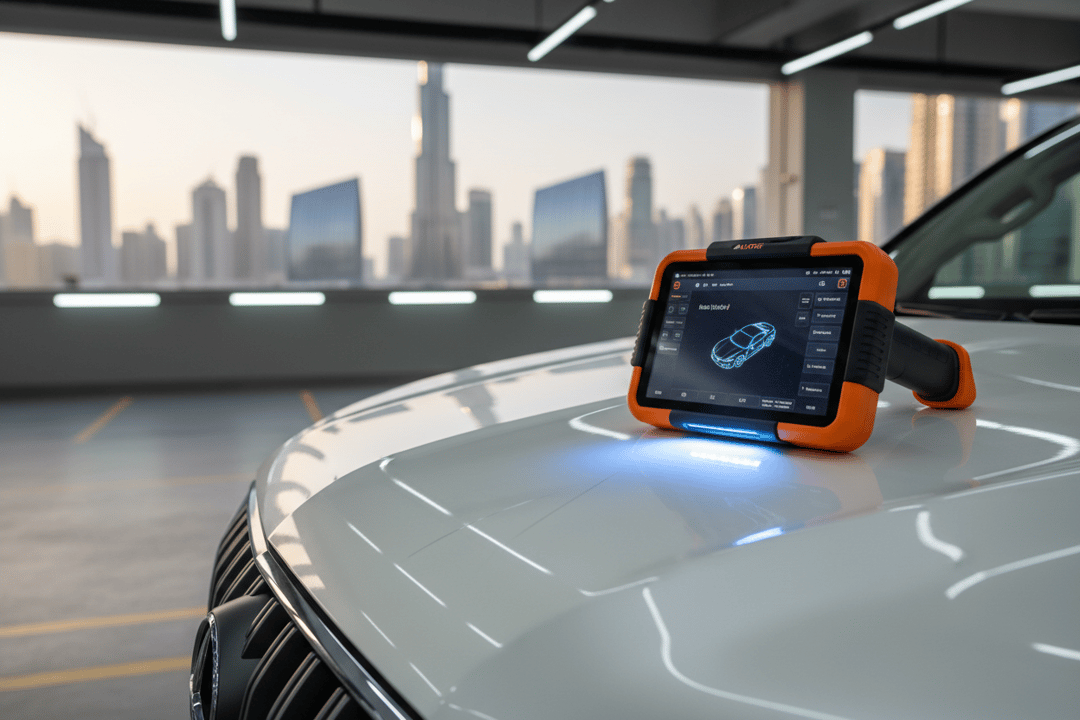
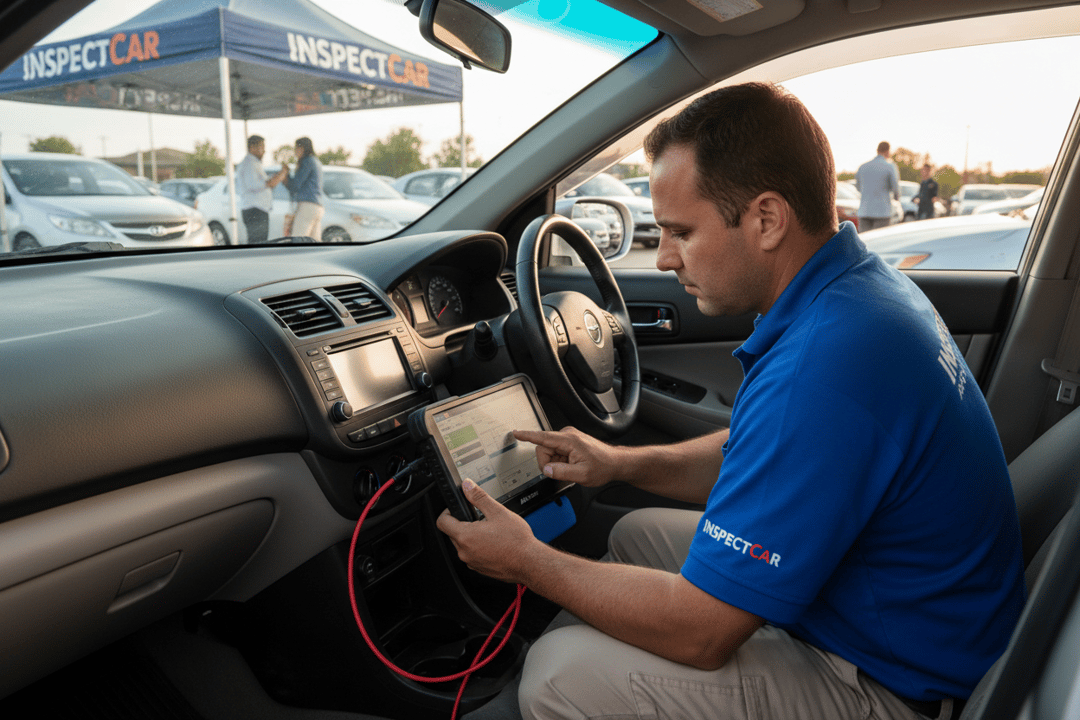
Given the complexity of SUV body structures and the hidden nature of many defects, a professional inspection is indispensable. The automotive equipment required to accurately measure panel gaps and paint thickness is specialized and often expensive. Without proper tools, it is nearly impossible to detect the subtle indications of previous accident damage. For a thorough evaluation that covers these body points alongside essential mechanical health checks, comprehensive packages are available. The Body & Computer package at AED 250 provides a detailed analysis of the bodywork and engine performance, while the Comprehensive package at AED 299 offers an extensive inspection of the frame, suspension, and electronics. These services cover all 7 Emirates and send inspectors who bring the inspection rig directly to the vehicle's location.
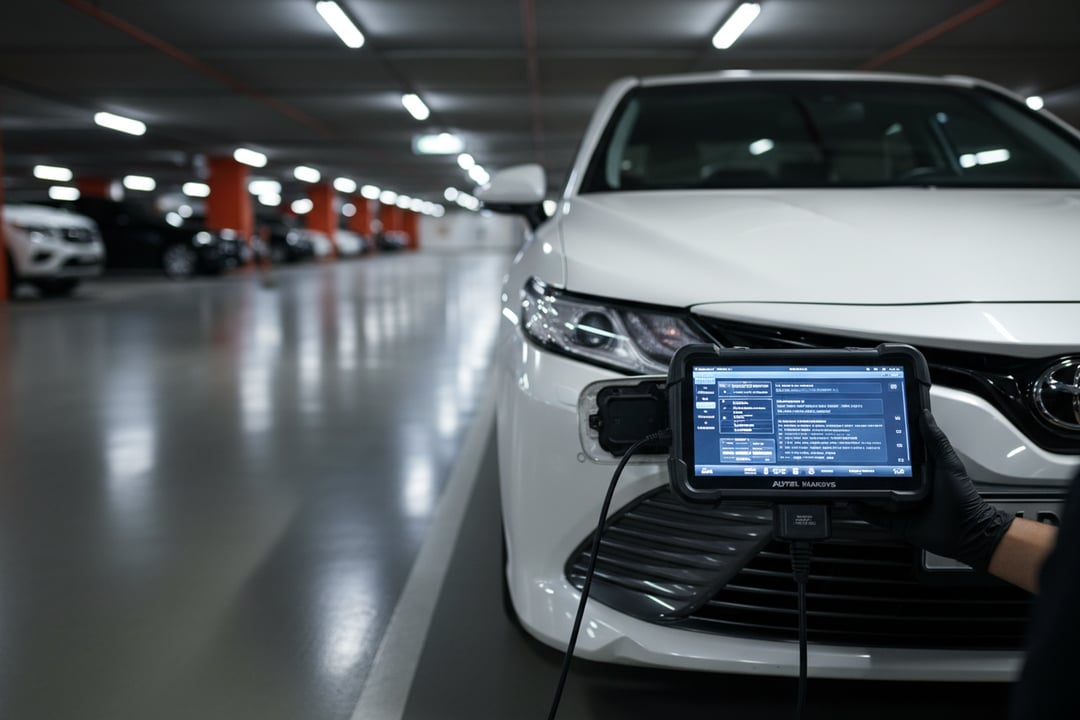
Inspectors must also cross-reference body damage with the vehicle's diagnostic codes. For instance, a damaged Front Bumper containing sensors should trigger an error code in the vehicle's Electronic Control Unit (ECU). An inspection service that combines physical body checks with computer diagnostics, such as the options provided by AutoFay, ensures a holistic view of the vehicle's condition


0 Comments
No comments yet. Be the first to share your thoughts!