


Visual inspection of a vehicle’s bodywork reveals more than just cosmetic imperfections; it exposes the car’s history and structural integrity. For prospective buyers in the UAE, distinguishing between minor wear and major structural compromise requires a trained eye and a methodology that goes beyond surface appearance. At AutoFay, our experienced inspectors conduct over 410+ checkpoints across 25 distinct categories to uncover the truth behind the paint and panels. This detailed examination spans all seven Emirates, ensuring that whether you are buying a sedan in Dubai or an SUV in Abu Dhabi, you receive an objective assessment of the vehicle’s condition.
The Front Impact Zone: Bumper and Hood Assessment
The front end of any vehicle is designed to absorb impact, making the bumper and hood the most vulnerable points to damage. An inspector first examines the bumper for cracks, deformation, or misalignment with the surrounding fenders. A severely cracked bumper often indicates a high-velocity collision, which may have compromised the radiator support or impact sensors hidden behind the plastic. Furthermore, inspecting the hood involves checking for creases that suggest the car may have been involved in an accident where the windshield or hood latch failed.
When evaluating the hood, inspectors look for signs of sun damage or oxidation, which are common in the UAE’s intense climate. However, the presence of multiple layers of paint or uneven texture often points to previous repairs. A blemished hood may only require repainting, but if the underlying metal is bent or has been "stitched" together, it signifies a loss of structural rigidity. This type of damage affects the vehicle's aerodynamics and can lead to uneven cooling for the engine in extreme heat, potentially leading to overheating during long highway drives.
Quarter Panels and the Rear Impact Zone
The quarter panels—the areas between the rear door and the rear bumper—are notoriously difficult to inspect and repair. Their curved geometry makes them prone to rust, hail damage, and impact from rear-end collisions. A critical finding here is the presence of "creases," which indicate that the vehicle’s frame has been bent. Unlike a dent, a crease permanently distorts the metal, compromising the vehicle's structural safety cage designed to protect passengers in an impact.
Inspectors also check for rust bubbles beneath the paint, a sign that moisture has penetrated the metal layers. In the UAE, salt air from coastal areas can accelerate this process. A quarter panel that has been replaced may show different panel gaps compared to the rest of the car. A misaligned quarter panel can cause poor aerodynamics, increasing drag and lowering fuel efficiency, while also leading to water leaks during rain, which can damage interior electronics and upholstery.
Body Panel Alignment and Wind Noise
Proper body panel alignment is a hallmark of a well-maintained vehicle. Inspectors use a flashlight to beam light along the gaps between the doors, hood, trunk, and fenders. Ideally, these gaps should be uniform in width and consistent in depth. Uneven gaps suggest that previous repairs were performed without proper measuring tools, or that the car has been in an accident that distorted the chassis rails.
Structural misalignment extends beyond aesthetics; it creates wind noise that increases cabin fatigue during long drives. If a door does not seal tightly against the body, wind turbulence can whistling through the chassis, creating a constant drone. More importantly, poor alignment can cause the doors to slam harder than intended, increasing wear on the latch mechanisms and door hinges. This structural slack can eventually lead to the doors becoming loose or failing to latch securely, creating a security and safety hazard.
| Inspection Category | Positive Indicator | Red Flag Indicator |
|---|---|---|
| Panel Gaps | Uniform width and depth; clean paint lines. | Uneven gaps; visible missing clips or weather stripping. |
| Hood Alignment | Flush with fenders; no front-to-rear rocking motion. | Uneven height; clearance inconsistent between left and right. |
| Quarter Panels | Seamless welds; paint matches factory specifications. | Visible body filler; rust bubbles or oxidation. |
Paint Layers and Finish Consistency
Original factory paint is applied with specific thickness and material properties that are difficult to replicate. Experienced inspectors can identify a "repaint" by looking at the consistency of the metallic flakes in the paint. In direct sunlight, original paint will have a consistent sparkle, whereas a repaired area may look flat or the flakes may be uniformly oriented, indicating over-spray from a spray booth.
Another tell-tale sign of poor workmanship is the presence of "orange peel" texture, a bumpy finish that mimics the skin of an orange, which is often the result of a rushed DIY repair. Inspectors also check the paint thickness using specialized tools, as excessive spray can hide underlying damage like dents or corrosion. If a vehicle has multiple colors of paint—particularly if the roof is a different shade than the doors—it suggests the car has been vandalized or involved in a fire, necessitating a full repaint that is rarely done to a high standard.
Implications of Findings and Negotiation
Understanding the meaning behind these findings is crucial for financial protection. A damaged front bumper might seem minor, but if the radiator support is bent, the cost of repair is significant and affects engine cooling performance. Quarter panel rust is not merely cosmetic; once it penetrates the structural integrity of the vehicle, it can compromise the safety of the occupants in a crash. Panel alignment issues often lead to accelerated wear on suspension components and increased wind noise, reducing the driving experience and vehicle longevity.
When these issues are identified, they serve as leverage for negotiation. A buyer should never accept the asking price for a vehicle with structural imperfections that have been hidden. The consequences of ignoring these signs range from immediate repair bills to long-term safety risks. A thorough inspection separates the "great find" from the money pit, ensuring that the purchase price reflects the actual condition of the asset.
Comprehensive Inspection Strategy
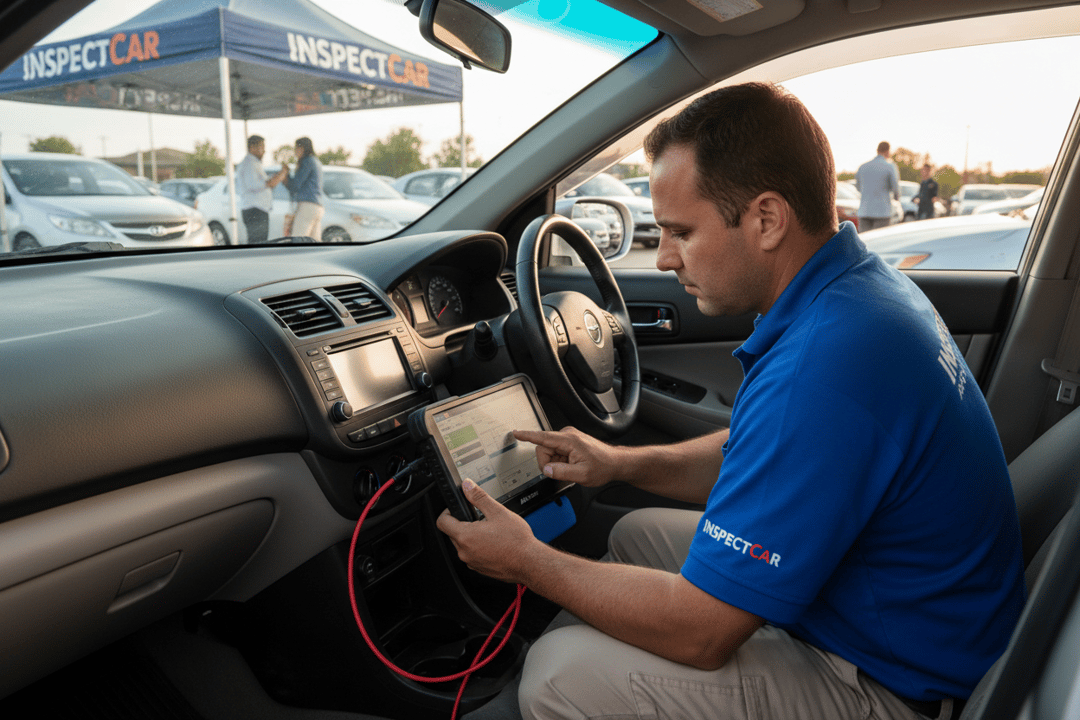
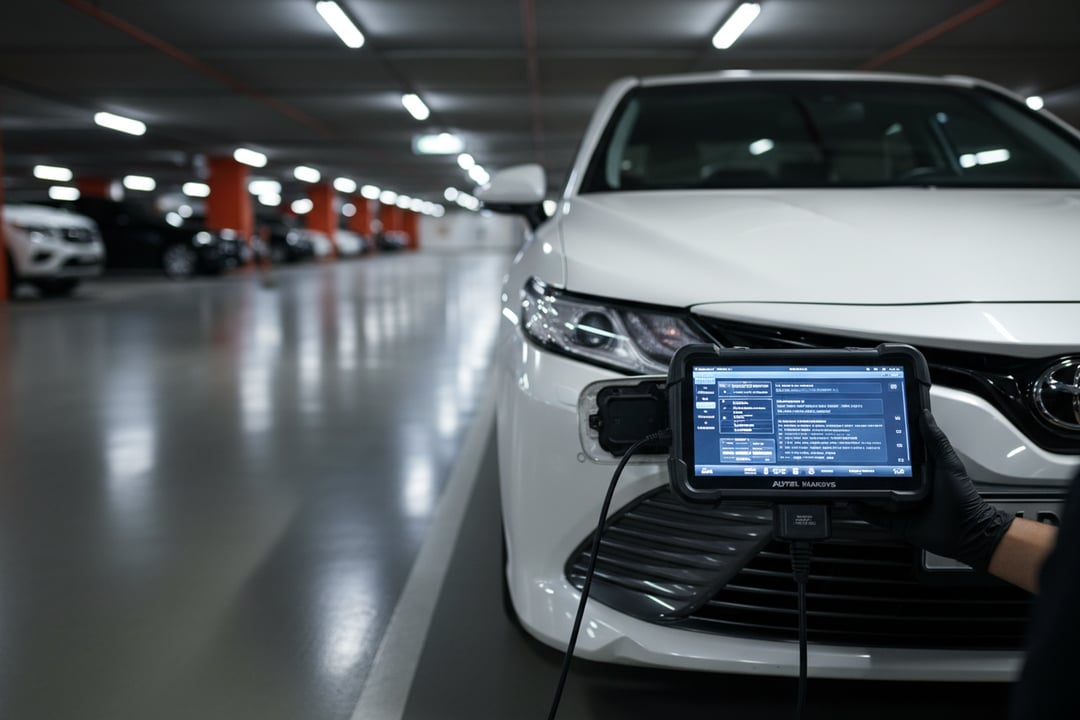
To ensure no detail is missed, a professional inspection must cover more than just the exterior shell. This includes checking the door jambs, the undercarriage, and the engine bay for signs of fluid leaks or mismatched components. At AutoFay, our inspectors utilize a rigorous package system to cover these bases effectively. The Computer Diagnostic service at AED 99 provides a baseline of engine health, while the Body & Computer option for AED 250 integrates visual body inspection with diagnostic scanning to catch hidden electronic faults.
For the highest level of scrutiny, the Comprehensive package at AED 299 covers 410+ checkpoints. This includes a road test to evaluate braking, acceleration, noise, and vibration under real-world conditions. It also details the suspension, tires, fluids, and frame integrity. This holistic approach ensures that the vehicle is safe to drive and roadworthy for the UAE climate and road conditions.
AutoFay inspects 410+ checkpoints with HD photos and PDF report. Book at autofay.ae or call +971542584458.



0 Comments
No comments yet. Be the first to share your thoughts!