
The Mercedes-Benz brand commands respect in the UAE due to its blend of luxury, performance, and engineering precision. However, the high temperatures and varied road conditions in the Emirates accelerate wear and tear on these sophisticated machines. A comprehensive annual inspection is not a luxury; it is a necessity for maintaining the vehicle's longevity and safety. Understanding the specific vulnerabilities of a Mercedes-Benz allows owners to identify potential failures before they become catastrophic. This guide details the critical checkpoints required during an annual inspection, focusing on model-specific issues and common faults.
The Electronic Complexity: Prioritizing Computer Diagnostics
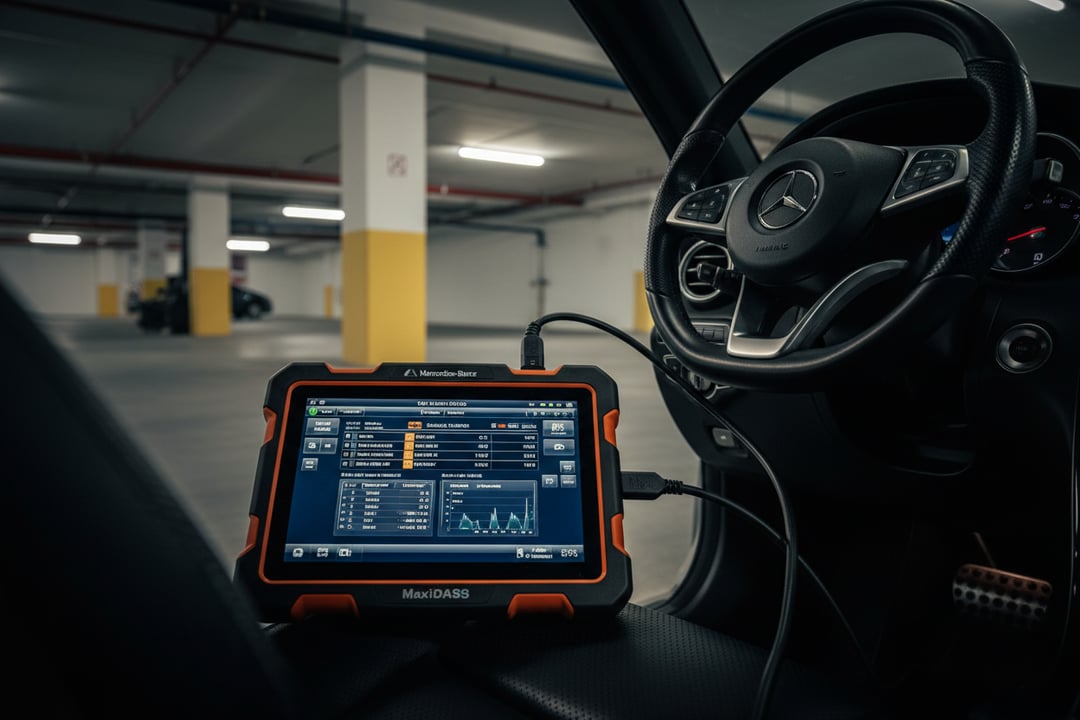
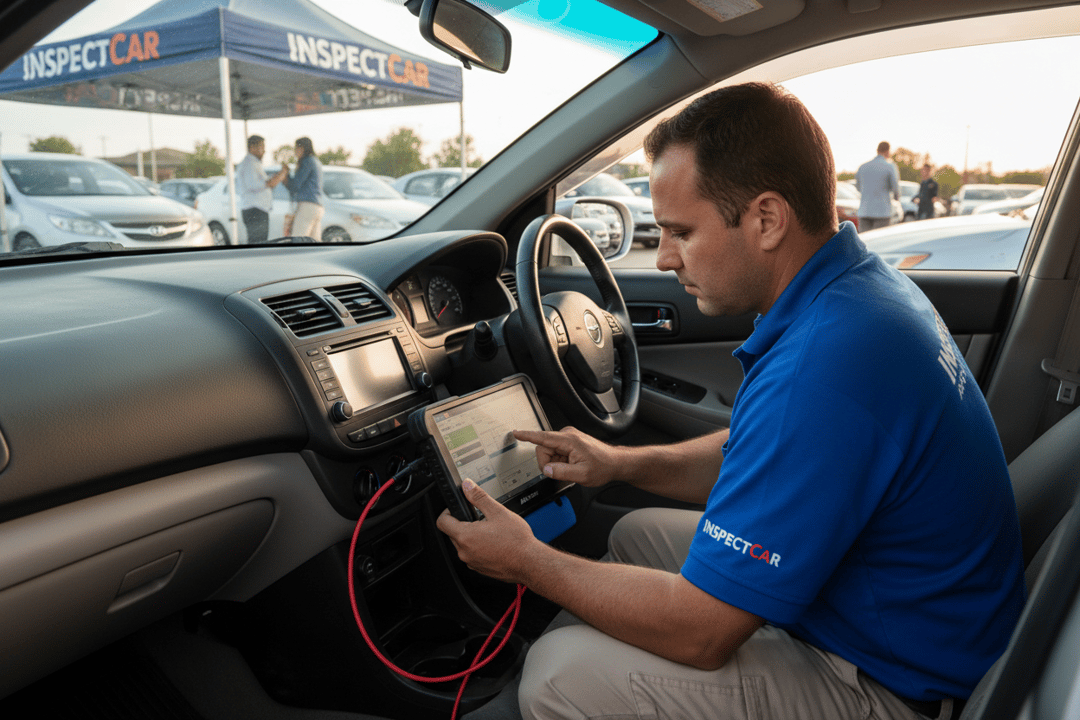
Modern Mercedes-Benz vehicles rely heavily on complex electronic control units to manage everything from engine timing to air suspension. Unlike older mechanical systems, these vehicles often fail with minimal warning signs until a major component breaks. An annual inspection must begin with a thorough computer diagnostic scan to read the vehicle's onboard computer system. This process reveals error codes stored in the Engine Control Module (ECM), Transmission Control Module (TCM), and Anti-lock Braking System (ABS).
- Engine Codes: Look for codes related to misfires, oxygen sensor failures, or catalytic converter issues.
- Air Suspension Codes: Common in models like the S-Class and GLE, these codes indicate height sensors or compressors are failing.
- Safety Systems: Diagnostic checks must also verify the status of airbag modules and Electronic Stability Control (ESC) to ensure occupant safety.
Attempting to drive a Mercedes-Benz with illuminated warning lights can lead to irreversible damage to catalytic converters or timing chains. Utilizing a professional diagnostic service ensures these hidden faults are documented before they escalate into expensive repairs.
Body Integrity and Paint Analysis
The UAE climate subjects vehicles to intense ultraviolet radiation, causing paint to fade, crack, and peel. Sellers often repaint panels to mask accident damage or fading. A meticulous inspection must differentiate between cosmetic wear and structural damage. A panel-by-panel examination is essential to determine if a panel is original, repainted, or repaired.
Inspectors must look for orange peel texture on the paint, inconsistent edge definition, or mismatched paint codes between panels. These are tell-tale signs of poor quality repairs. Furthermore, the condition of the clear coat indicates whether the vehicle has been exposed to harsh chemicals or bird droppings without immediate cleaning. While a fresh coat of paint hides underlying rust, it also hides the history of a collision. Scratches that go down to the metal must be inspected closely for rust formation, which accelerates rapidly in salty coastal areas like Dubai or Abu Dhabi.
Engine Health and Fluid Management
Mercedes-Benz engines are renowned for their durability but are prone to specific oil-related issues. The valve cover gasket and the oil filter housing gasket are common failure points that lead to oil leaks. In an annual inspection, the engine bay must be examined for fresh oil deposits or a crusty residue that indicates slow, steady leakage. Even a small leak can lead to a dangerous oil fire or engine starvation if left unattended.
Fluids degrade faster in high-heat environments. The engine oil, coolant, and brake fluid must be checked not just for level, but for condition. Engine oil should be amber and free of sludge; if it is dark and gritty, it has not been changed frequently enough. Coolant should be tested for pH balance to prevent corrosion in the cooling system's aluminum components. During the road test, the exhaust smoke color provides critical diagnostic information. Blue smoke indicates burning oil, white smoke suggests a blown head gasket or cracked cylinder block, and black smoke points to fuel injection or air intake issues.
Suspension and Unibody Safety
The suspension system of a Mercedes absorbs shock and maintains ride comfort, but the constant vibration from UAE roads can loosen components. Worn suspension parts affect braking distance and cornering stability. Inspectors must check the condition of the shock absorbers by measuring the rebound damping or performing a bounce test. Leaking shocks absorb less road force, leading to a bouncy, unstable ride.
The unibody structure must be evaluated for alignment issues caused by previous impacts. The inspection should verify that the frame rails and pillars are straight and that the doors close with a uniform seal. A misaligned door often indicates a collision that compromised the structural integrity of the vehicle. Furthermore, suspension bushings should be checked for cracking or separation, as worn bushings transmit excessive noise and vibration into the cabin and reduce steering precision.
Brake System and Tire Condition
Brakes are the primary safety system; neglecting them invites disaster. Inspectors must measure the remaining thickness of the brake pads using a digital gauge. A pad thickness of less than three millimeters requires immediate replacement to prevent damage to the expensive brake rotors. The rotors should be inspected for thickness variations and scoring, which cause vibration during braking.
Tires are the only contact point between the vehicle and the road. Inspectors must verify the manufacturing date of the tires, as rubber degrades over time regardless of mileage. Tires older than six years should be replaced, even if they appear to have tread. The tread depth must be uniform; uneven wear patterns indicate alignment issues or problems with suspension components. Bald tires perform poorly in wet conditions, significantly increasing the risk of hydroplaning during sudden rain showers.
Choosing the Right Inspection Package
Not all inspections are created equal. The complexity of a Mercedes-Benz requires a comprehensive approach. Selecting a basic visual inspection may miss the internal electronic faults that are the brand's primary weakness. AutoFay provides specialized packages designed to cover specific needs while offering value for money.
| Package | Service Inclusions | Price |
|---|---|---|
| Computer Diagnostic | OBD scan for engine, transmission, ABS, and airbag codes. | AED 99 |
| Body & Computer | Panel-by-panel paint analysis, frame integrity check, and OBD scan. | AED 250 |
| Comprehensive | Full 410+ checkpoint inspection including brakes, tires, suspension, fluids, and road test. | AED 299 |
The Comprehensive package offers the most value for Mercedes-Benz owners, as it covers the full spectrum of mechanical and structural health. Opting for a higher-tier package prevents hidden defects from becoming expensive liabilities down the road.
AutoFay inspects 410+ checkpoints with HD photos and PDF report. Book at autofay.ae or call +971542584458



0 Comments
No comments yet. Be the first to share your thoughts!