

The Honda nameplate commands significant respect within the UAE automotive market, widely regarded for its durability and engineering consistency. However, the intense desert climate and fluctuating road conditions in the Emirates place unique stress on these vehicles. A used Honda requires a rigorous annual inspection to identify latent issues before they escalate into costly failures. Proper inspection goes beyond visual checks; it demands a systematic approach to vehicle health, specifically targeting components known to degrade faster in the local environment.
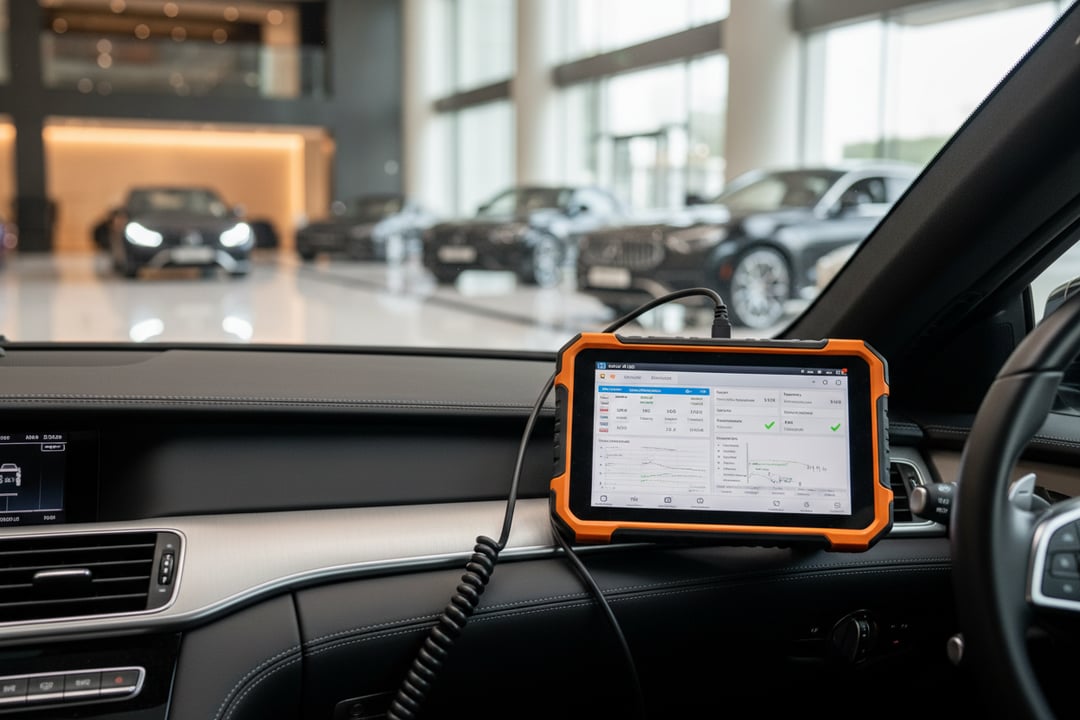
The Diagnostic Imperative: OBD Scans and Engine Health
Modern Honda vehicles rely heavily on their Engine Control Unit (ECU) to manage timing, fuel injection, and emissions. When purchasing a used vehicle, the presence of a check engine light is a critical indicator that the vehicle has a stored code. Many owners ignore these warnings, leading to progressive damage within the engine or catalytic converter. The Engine category in a comprehensive inspection reveals the health of the combustion process through visual examination of the oil dipstick and smoke output during the Road Test.
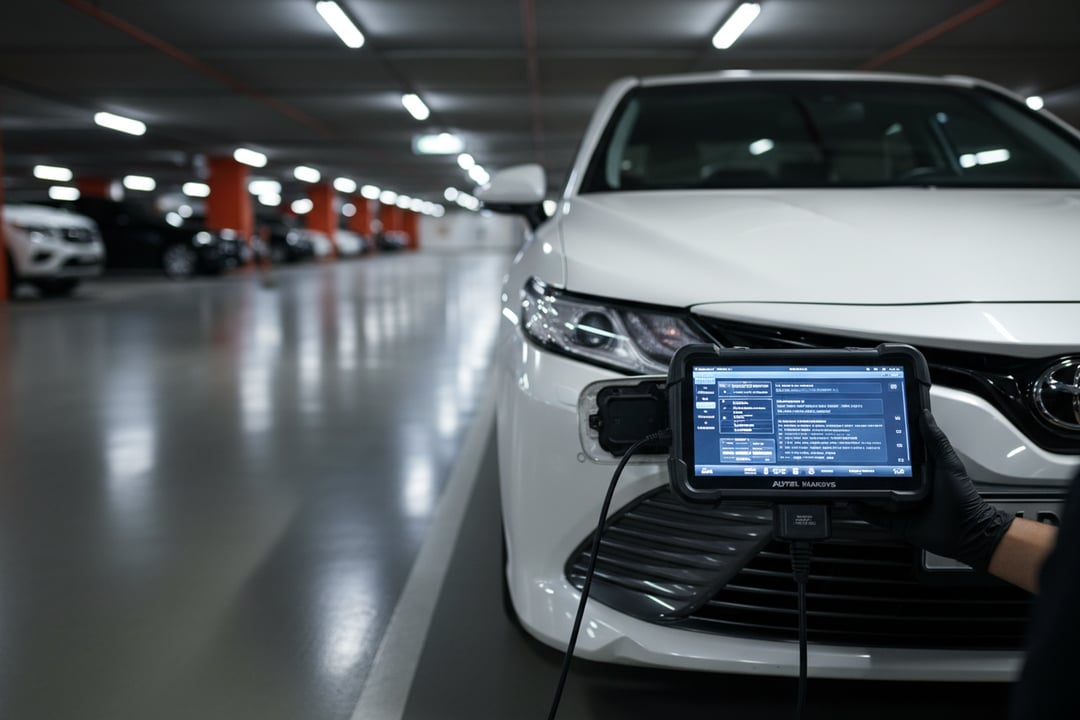
Honda engines, particularly those with VTEC technology, are susceptible to carbon build-up on intake valves over time. This condition often results in rough idling or hesitation during acceleration, which a technician can diagnose effectively. An OBD scan is the first line of defense in uncovering transmission or sensor failures. Failure to address an OBD code regarding a VTC (Variable Timing Control) solenoid can lead to diminished fuel efficiency and reduced engine performance. The "Computer Diagnostic" package offered by AutoFay provides a rapid initial assessment of these electronic gremlins, identifying faults that the naked eye cannot see.
Suspension Wear Patterns in the UAE Climate
The suspension system is the primary interface between the vehicle and the road, absorbing shocks and maintaining tire contact. In the UAE, the combination of asphalt heat and frequent potholes accelerates the degradation of rubber bushings and shock absorbers. Honda models, particularly the CR-V and Accord, are known for a comfortable ride, but this comfort relies heavily on functioning suspension components. Inspectors must look for oil leakage from shock absorbers, which indicates internal seal failure.
A critical failure point in Honda suspensions is the lower arm bushing. Over time, these rubber components dry out and crack, causing a clunking noise over bumps and a drifting sensation during lane changes. The suspension category in a vehicle inspection evaluates the play in ball joints and the integrity of the sway bar links. Neglecting worn suspension parts can compromise braking distance and steering response, turning a reliable sedan into a safety hazard. The "Road Test" component of the inspection is essential here, listening specifically for metallic clunks during cornering and checking for excessive body roll.
Transmission Behavior and Drivetrain Noise
Transmission health dictates the usability of a vehicle. For automatic Honda transmissions, the most common complaint is harsh shifting or slipping between gears. This often occurs when the transmission fluid degrades or if the valve body starts to stick due to varnish build-up. A visual inspection of the transmission pan reveals metallic shavings, which are a sign of internal wear. Furthermore, an OBD scan is required to check for transmission-specific fault codes.
Drivetrain noise is another red flag that frequently goes unnoticed until the vehicle is under load. Whining noises during acceleration often point to worn wheel bearings, which are a common wear item in high-mileage Hondas. If a technician detects bearing failure, the consequence is not just noise, but the potential for wheel detachment if the hub fails completely. A comprehensive inspection must include a test drive where the vehicle is accelerated under load to verify that the transmission shifts smoothly and that there are no unusual vibrations from the drivetrain.
Structural Integrity: Frame and Rust Assessment
Rust is the silent enemy of vehicles in coastal UAE regions. It does not always manifest as surface corrosion; often, it starts from the inside of the floor pans or within the A-pillars. A vehicle with compromised structural integrity poses a significant safety risk in the event of a collision. The Frame category in the inspection process meticulously checks the rails, pillars, and floor pan for signs of collision repair or rust perforation.
Panel-by-panel inspection is required to distinguish between original factory paint and unauthorized repairs. Repainted panels often indicate previous accidents, which may have been covered up but could conceal frame damage. Even if a vehicle passes a visual inspection, a frame straightening machine is the only way to confirm that the chassis is within factory specifications. AutoFay’s inspection process includes a thorough Frame check to ensure the vehicle has not been involved in structural damage that would compromise its safety rating.
Fluids and Lubrication Systems
Fluids are the lifeblood of a vehicle, and their condition reflects the overall maintenance history. Low fluid levels often indicate leaks, which, if left unaddressed, can lead to catastrophic engine or transmission failure. Honda vehicles are generally reliable, but timing belt failures can be catastrophic if the belt were to snap. The inspection must verify the age of the timing belt and water pump according to the manufacturer’s recommended interval.
Engine oil condition is a direct indicator of engine health. Burning oil is a known issue in some Honda generations, but significant consumption suggests worn piston rings or valve guides. Transmission fluid should be bright pink or red; if it is brown or smells burnt, the transmission is likely nearing the end of its service life. The Fluids category checks for the level of engine oil, brake fluid, coolant, and power steering fluid. Neglecting low brake fluid levels can result in a soft brake pedal and reduced stopping power, while contaminated coolant can lead to overheating in the UAE summer heat.
Evaluating Inspection Packages and Priorities
Not all inspections are created equal, and choosing the right level of scrutiny depends on the vehicle's age and condition. A simple visual check may miss underlying electronic faults, while a full teardown is unnecessary for a pristine vehicle. It is crucial to select a package that aligns with the specific risks associated with the Honda model being inspected. The table below outlines the differences between the standard inspection tiers offered by AutoFay, helping the buyer determine the appropriate level of depth.
| Inspection Package | Core Inclusions | Best For |
|---|---|---|
| Computer Diagnostic | Engine, Transmission, ABS, Airbag OBD codes only | Modern Hondas with check engine lights or uncertain electrical history |
| Body & Computer | Panels, Paint, OBD Scan, Frame visual check, Road Test | Used vehicles with cosmetic concerns or unknown accident history |
| Comprehensive | 410+ checkpoints across 25 categories, HD photos, PDF report | High-mileage vehicles or buyers seeking absolute certainty |
When prioritizing the inspection, focus on the "Comprehensive" package for models older than ten years. This package covers Tires (checking manufacturing year and tread depth), Brakes (pad percentage rating), and suspension in detail. A tire with a manufacturing date older than six years loses its structural integrity, risking a blowout at speed. Brake pads below 30% thickness require immediate replacement to ensure braking efficiency.
Suspension wear, tire age, and brake performance are non-negotiable safety items that must pass before a vehicle is deemed roadworthy. The "Road Test" phase of the inspection allows the inspector to verify that these safety systems interact correctly with the vehicle's handling. Skipping this phase can leave a buyer unaware of a vehicle that pulls to one side during braking or vibrates excessively at highway speeds.
AutoFay inspects 410+ checkpoints with HD photos and PDF report. Book at autofay.ae or call +971542584458.




0 Comments
No comments yet. Be the first to share your thoughts!