
Lexus vehicles command respect in the UAE market for their blend of reliability and luxury. However, a car sitting idle for an extended period in the region's intense heat presents unique mechanical challenges. The long-term storage of a used Lexus requires a forensic approach to inspection. What appears as cosmetic preservation upon entry may hide critical failures in fluids, electronics, and structural integrity. Understanding these latent issues is the first step toward a safe acquisition. This guide details the specific risks associated with dormant Lexus models and outlines the necessary inspection protocols.
The Critical State of Fluids and Lubricants
Fluids are the lifeblood of any mechanical system, and they deteriorate significantly during long-term storage. Oil, coolant, and brake fluid undergo chemical changes that render them ineffective. In the UAE climate, high ambient temperatures accelerate these degradation processes. Even if a vehicle looks clean, the internal lubrication properties may have compromised.
Engine oil thickens due to oxidation, leading to insufficient lubrication during startup. Brake fluid is hygroscopic, meaning it absorbs moisture from the air over time. This moisture lowers the fluid's boiling point, causing brake fade or, worse, total brake failure under hard braking. Coolant can also evaporate or become acidic over time, leading to internal corrosion of the radiator and water pump seals. Addressing these issues is non-negotiable for a vehicle emerging from storage.
Hybrid Battery Degradation in RX Models
The Lexus RX series is a staple in the UAE, particularly the hybrid variants. The hybrid battery pack is a complex assembly of modules that is susceptible to degradation when the vehicle is not in regular use. Unlike a combustion engine battery, the hybrid battery does not suffer from simple "dead battery" issues; it suffers from cell imbalance and capacity loss.
During storage, electric charge distribution within the battery cells can become uneven. This imbalance can permanently reduce the overall capacity of the battery pack. The result is reduced fuel economy, diminished acceleration, and a higher likelihood of the vehicle stalling when idling. Furthermore, the inverter and DC-DC converter—which manage the electrical flow—may experience thermal stress from previous thermal cycles that were not completed during storage. These components are expensive to replace and require immediate attention if damaged.
Transmission Drift and Gear Lunge
Transmission longevity is a hallmark of luxury sedans, but long-term storage can disrupt the hydraulic pressure needed for smooth operation. Automatic transmissions in models like the GS and ES rely on precise fluid pressure to engage gears correctly. When a transmission sits for months, seals dry out, and fluid might not reach all components due to gravity.
Upon startup, the vehicle may exhibit "gear lunge," where the car jerks forward or hesitates to engage drive. This occurs because the valve body and transmission solenoids have settled or gummed up with varnish. Additionally, the transmission control module (TCM) may have lost its adaptation memory, requiring a relearn process to function correctly. Ignoring these symptoms can lead to transmission slippage or complete mechanical failure shortly after purchase.
Rubber Components and Suspension Fatigue
The harsh combination of extreme heat and UV exposure causes rubber components to age rapidly. Bushings, mountings, and seals in the suspension system are prone to becoming brittle and cracking. A Lexus sitting in storage will have suspension components that have lost their flexibility. This loss of elasticity affects ride comfort and, more critically, safety.
Control arm bushings that have cracked will allow excessive movement in the suspension geometry. This leads to uneven tire wear and poor alignment. The vehicle will pull to one side, and the steering wheel may vibrate at certain speeds. Furthermore, engine and transmission mounts often degrade due to the weight of the engine settling over time. This causes the engine to vibrate the cabin excessively while idling. Replacing these rubber components is a standard maintenance task that must be verified during inspection.
Electrical System Corrosion and Sensor Failure
Modern Lexus vehicles are heavy on electronics. Long storage creates an environment conducive to electrical corrosion. Terminals and connectors can oxidize, leading to poor conductivity. Sensors that rely on precise readings, such as the oxygen sensors, crankshaft position sensor, and camshaft position sensors, may have degraded beyond their operational limits.
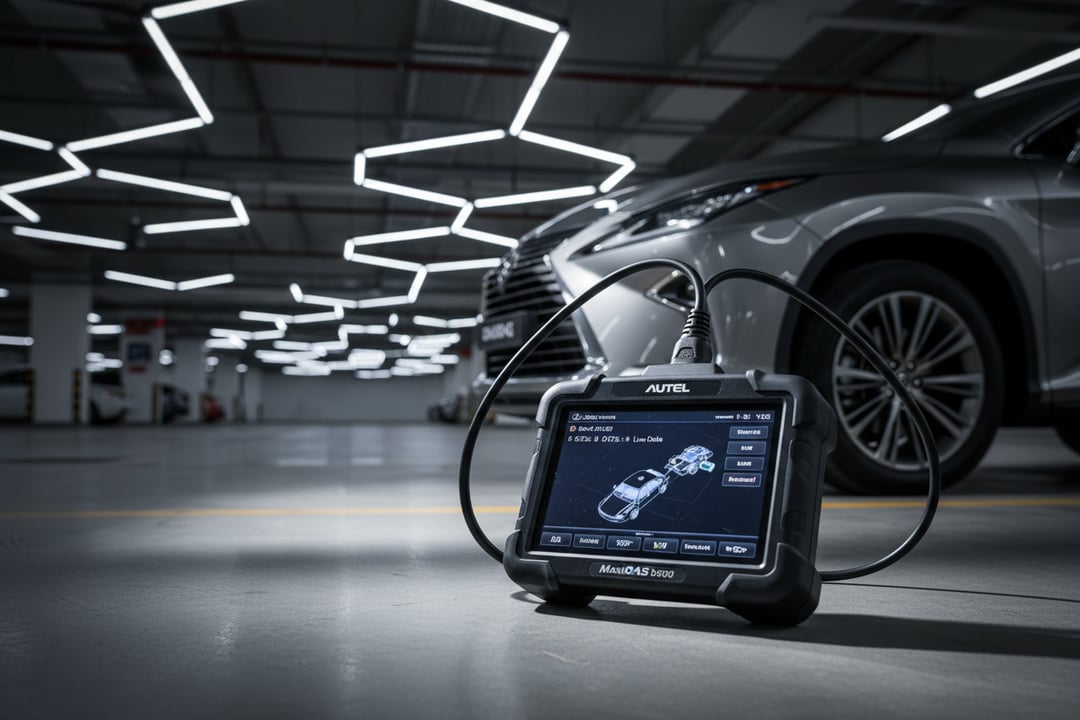
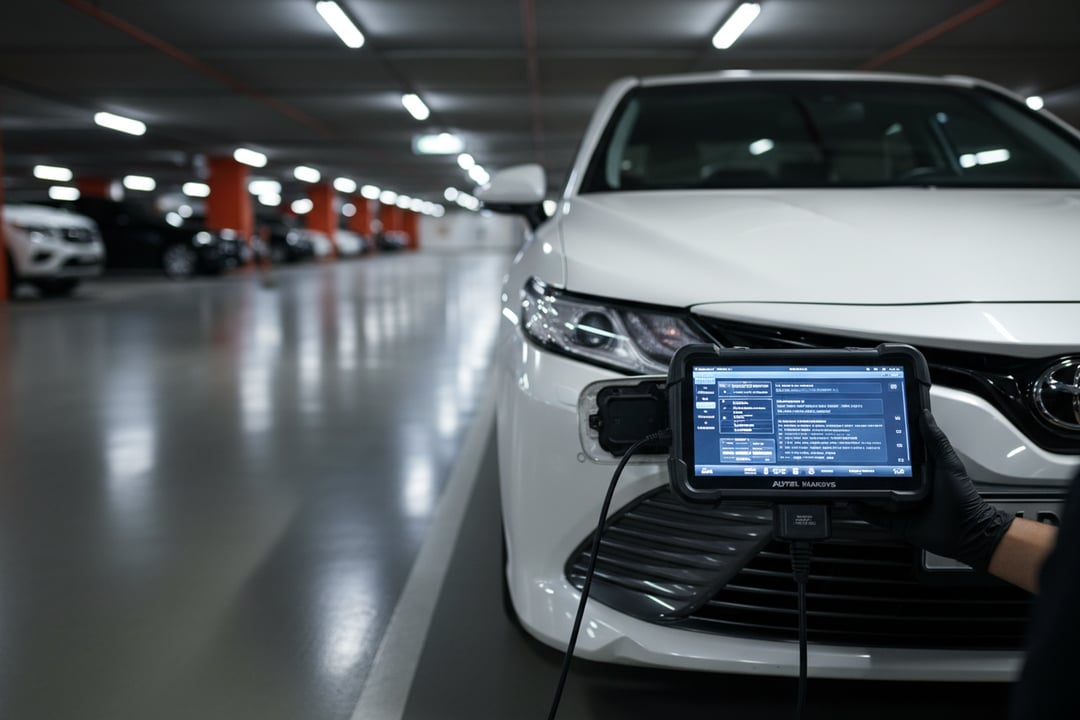
It is common for a dormant vehicle to have ECU memory loss or stored error codes that prevent the engine from starting. The airbag system often triggers a warning light when the battery has been disconnected or if capacitors in the control unit have degraded. Diagnosing these electrical faults requires specialized equipment. A visual inspection is insufficient to identify hidden corrosion inside wiring harnesses or relay boards.
Structural Integrity: Frame and Body Checks
While heat is the enemy of fluids and rubber, dryness is the enemy of the frame. In the UAE, the lack of high humidity compared to coastal regions means that metal surfaces do not rust naturally. However, this creates a false sense of security regarding the vehicle's history. A car that has been flooded or heavily repaired elsewhere may have been transported in a container.
Water ingress during transport can lead to internal frame rust, particularly in the rocker panels and around the fuel tank. The body pillars are also critical points of inspection. If a vehicle has been involved in a collision, the structural pillars may have been repaired using substandard methods, compromising the vehicle's safety cage. A thorough inspection must include checking for mismatched panel gaps, which indicate previous unprofessional repairs.
Strategic Inspection Priorities and Packages
Investigating a stored Lexus requires a structured approach that balances cost and coverage. A simple visual inspection will miss the significant failures hiding under the hood or within the electrical systems. Utilizing professional inspection services ensures that every potential failure point is assessed accurately.
| Inspection Package | Service Scope | Target Issues |
|---|---|---|
| Computer Diagnostic | OBD Scan | Engine, Transmission, ABS, SRS (Airbag) codes. |
| Body & Computer | Panel-by-Panel Paint Check + Diagnostics | Repainted panels, structural integrity, hidden electrical faults. |
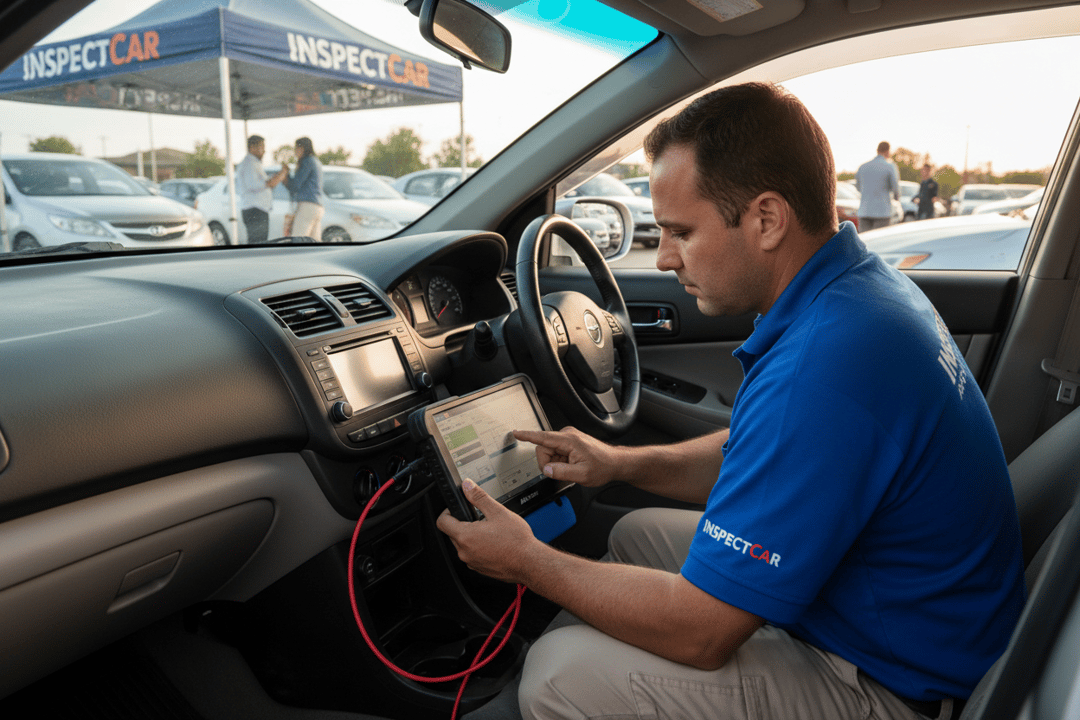
| Comprehensive | Full On-Location Inspection (410+ Checkpoints) | Engine sound, mounts, smoke test, brakes, tires, fluids, frame, road test. |
The Computer Diagnostic package is the minimum requirement for any stored vehicle. It reveals the hidden logic of the ECU, ensuring that the engine management system has not been compromised by storage conditions. For a vehicle with visible cosmetic wear or concerns about prior repairs, the Body & Computer package provides a detailed panel-by-panel analysis to ensure no structural secrets are hidden behind fresh paint.
The most thorough option is the Comprehensive package. This service covers 25 categories of checks, including a road test to evaluate acceleration and noise. It specifically checks tire manufacturing dates, as old tires can crumble even with low mileage. It also verifies fluid conditions and brake pad percentages. This package is essential for identifying deep-seated issues that affect the vehicle's drivability and safety.
AutoFay inspects 410+ checkpoints with HD photos and PDF report. Book at autofay.ae or call +971542584458


0 Comments
No comments yet. Be the first to share your thoughts!