

Acquiring a pre-owned Hyundai vehicle in the UAE that has been stored for an extended period requires a rigorous approach. The region’s extreme climate—characterized by scorching heat, high humidity in coastal areas, and pervasive salinity—exerts immense stress on vehicle components that remain dormant. Even if a car appears pristine on the exterior, long-term storage accelerates material degradation in ways that are often invisible to the untrained eye. A vehicle sitting idle for months or years is a different mechanical beast than one driven daily, necessitating a specialized inspection protocol. Understanding the specific vulnerabilities of these models before purchase prevents costly operational failures post-sale.
The Impact of UAE Climate on Stored Vehicles
The primary enemy of any car left unused in the Emirates is not lack of use, but the ambient temperature. Prolonged exposure to solar radiation causes dashboard plastics to become brittle and crack, while rubber seals around windows and sunroofs dry out and shrink. This shrinkage leads to water ingress during the inevitable rainy season, potentially causing rust and electrical short circuits. Furthermore, the saline air accelerates corrosion on underbody components and electrical connectors, which may not manifest until the vehicle is subjected to road vibrations and moisture.
Inspectors must pay close attention to the paintwork and panel alignment. A car that has been stationary may exhibit paint imperfections that become exaggerated when the metal expands and contracts with temperature changes. While cosmetic issues are frustrating, they often indicate that the vehicle has been neglected, which correlates with a higher likelihood of mechanical neglect as well.
Engine and Transmission: The Critical Weaknesses
Hyundai powertrains, particularly the Gamma and Theta series engines found in popular models like the Elantra, Accent, and Tucson, are generally reliable but possess specific Achilles' heels. The most critical component to inspect is the timing chain. Over time, the tensioners on these chains can fail, causing the chain to stretch or skip teeth. If this occurs, the engine may suffer significant failure, requiring a complete engine replacement rather than a simple repair. A vehicle that has been stored may have weak tensioners, and driving it immediately without verification poses significant risk.
Oil degradation is another primary concern. When an engine sits, oil can drain away from critical bearing surfaces, leaving metal components without lubrication during the first start-up. Additionally, moisture from condensation can mix with old oil, creating sludge that clogs oil passages. Transmission fluid also becomes viscous and less effective over long storage periods, increasing the risk of slipping gears or harsh shifting.
- Oil Condition: Look for a milky or gritty consistency, indicating moisture contamination or internal wear.
- Timing Chain Tension: Listen for unusual rattling sounds at startup, which suggests chain slack.
- Transmission Response: Test acceleration and shifting; hesitation often points to degraded fluid in stored vehicles.
Electrical System Vulnerabilities
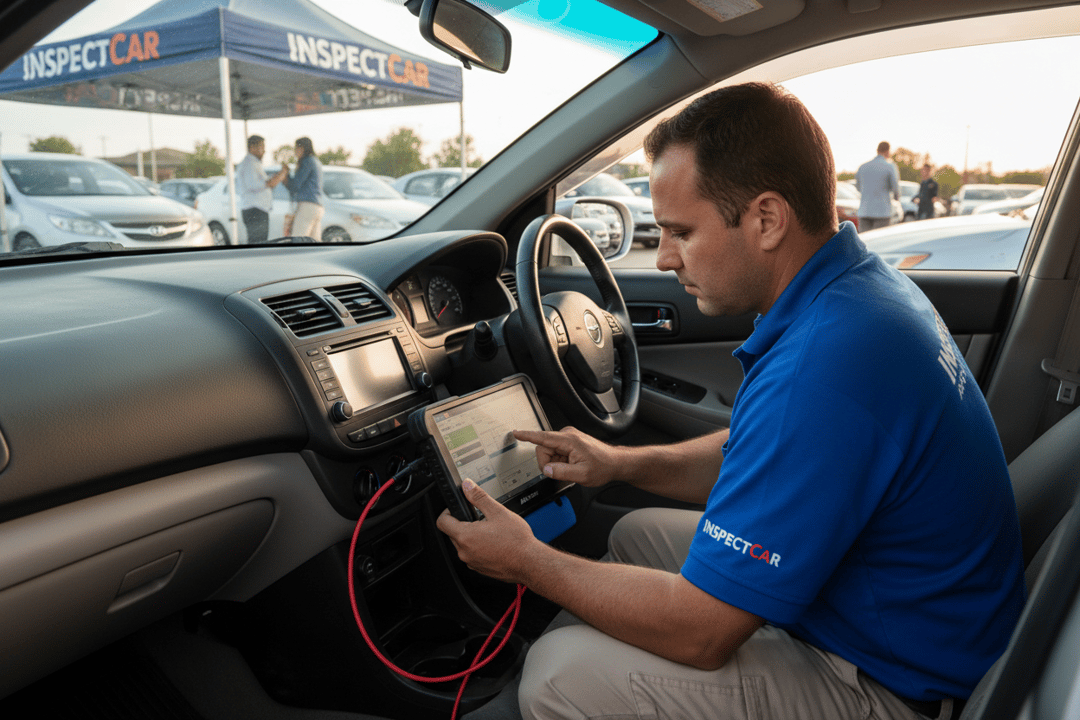
Electrical systems are frequently compromised in stored vehicles. The battery is the first casualty; even if it holds a charge briefly, the internal cells may be sulfated and unable to provide the massive current surge required to turn over the engine. Beyond the battery, sensors degrade. The oxygen sensors, MAF (Mass Air Flow) sensors, and crankshaft position sensors are sensitive to heat and moisture cycling. A stored car often triggers "Check Engine" lights due to these sensors failing, which can be resolved with an OBD scan, or it may indicate deeper electrical wiring issues caused by rodent activity or heat-induced brittle wiring.
Suspension, Brakes, and Tires
Rubber components are highly susceptible to the harsh UAE sun. Bushings in the suspension and control arms will become hard and crack, leading to a vehicle that rides roughly and handles poorly. Brake fluid is hygroscopic, meaning it absorbs moisture over time. If moisture has penetrated the brake lines, the fluid will boil at lower temperatures, causing brake fade and a loss of stopping power—a dangerous scenario in heavy traffic.
Tires, meanwhile, suffer from "dry rot." The rubber loses its elasticity and integrity, making them prone to blowouts. If the car was parked on one side for an extended period, flat spots may form in the tires, causing vibration and noise upon driving. Inspecting the manufacturing date of the tires is essential, as old rubber does not hold air pressure well even if visually intact.
Strategic Inspection Packages and Priorities
Determining the appropriate level of inspection is crucial for budgeting and risk management. A basic visual inspection is often insufficient for stored vehicles. Utilizing professional services ensures that no critical system is overlooked. AutoFay provides a tiered structure designed to address these specific stored-vehicle risks effectively.
| Package | Price | Best For |
|---|---|---|
| Computer Diagnostic | AED 99 | Initial verification of electrical codes and engine/transmission health. |
| Body & Computer | AED 250 | Assessing external storage damage and running diagnostics. |
| Comprehensive | AED 299 | Full mechanical and structural analysis across 25 categories. |
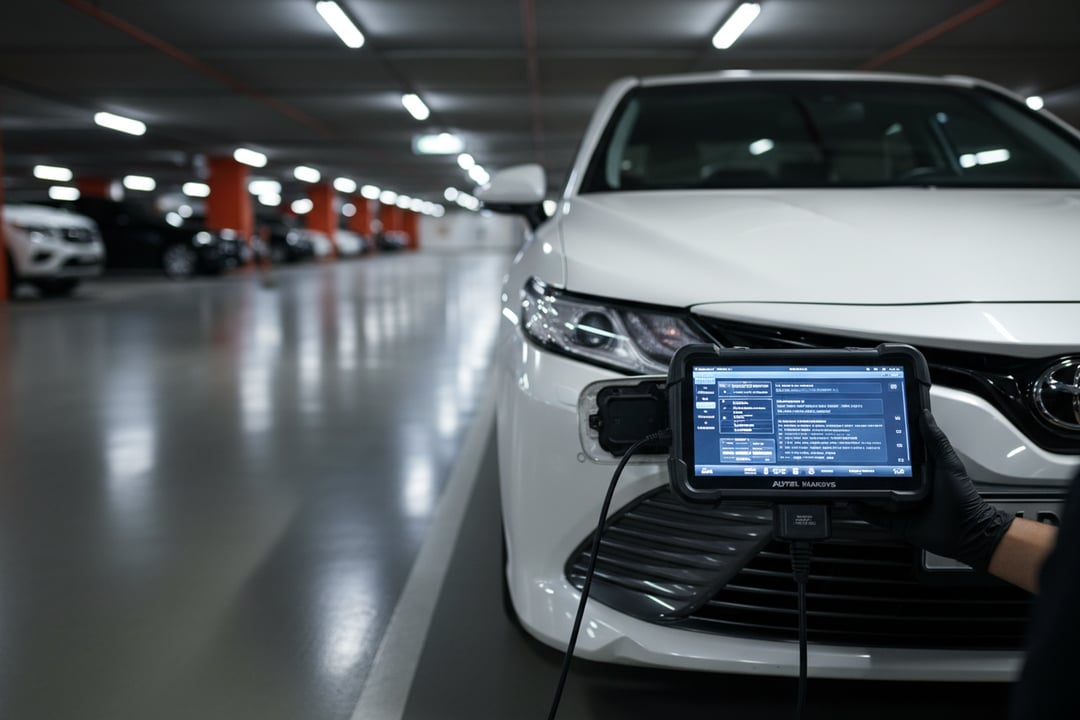
For a vehicle that has seen long-term storage, the Computer Diagnostic AED 99 package is the minimum recommended starting point. It decodes the vehicle's computer to reveal stored error codes that indicate sensor failures or system malfunctions. However, this scan cannot see physical damage. The Body & Computer AED 250 package bridges this gap by including a visual inspection of body panels and paint quality, which is essential for detecting the dry rot and cracking mentioned earlier.
For the highest level of assurance, the Comprehensive AED 299 package provides the most value. It covers 25 distinct categories, including fluid levels, brake pad percentage, tire manufacturing dates, and suspension integrity. This package is particularly vital for stored cars because it includes a road test to verify that the engine, transmission, and brakes function correctly under load. Given the specific risks associated with Hyundais post-storage, paying for this thorough evaluation prevents the acquisition of a "money pit" vehicle.
Final Priorities and Recommendations
When inspecting a used Hyundai after storage, prioritize the four key areas mentioned above. Do not rely solely on visual appeal. The engine bay should be clean but free of excessive corrosion, and the oil should be a consistent amber color, not dark or sludgy. The tires must be checked for sidewall cracking, and the suspension must be tested for clunking noises over bumps.
Electrical gremlins are the most common surprise after purchase. A weak battery or a faulty sensor can leave a buyer stranded. Therefore, a diagnostic scan is non-negotiable. Ignoring these stored-vehicle factors leads to immediate repair bills and potential safety hazards. A vehicle that has been sitting idle is essentially a collection of ticking time bombs regarding rubber, fluid, and electrical components.
AutoFay inspects 410+ checkpoints with HD photos and PDF report. Book at autofay.ae or call +971542584458.

0 Comments
No comments yet. Be the first to share your thoughts!