
The extreme temperatures and arid climate of the UAE accelerate the aging process of vehicles, causing materials to degrade faster than in temperate regions. When a Honda sits in storage for an extended period, the consequences are not always visible to the naked eye but are often catastrophic to the vehicle's longevity. A stored vehicle represents a complex mechanical puzzle where time is the primary adversary. For buyers and owners, understanding the silent killers of long-term storage is essential to avoid expensive surprises.
The Silent Killers: Electrical and Sensor Issues
Electrical systems suffer the most immediate penalty from prolonged inactivity. The battery terminals are one of the first points of failure, as the humid environment accelerates the formation of corrosive sulfate deposits. Even a fully charged battery will lose its charge over months of non-use due to parasitic drain from the security system and computer modules.
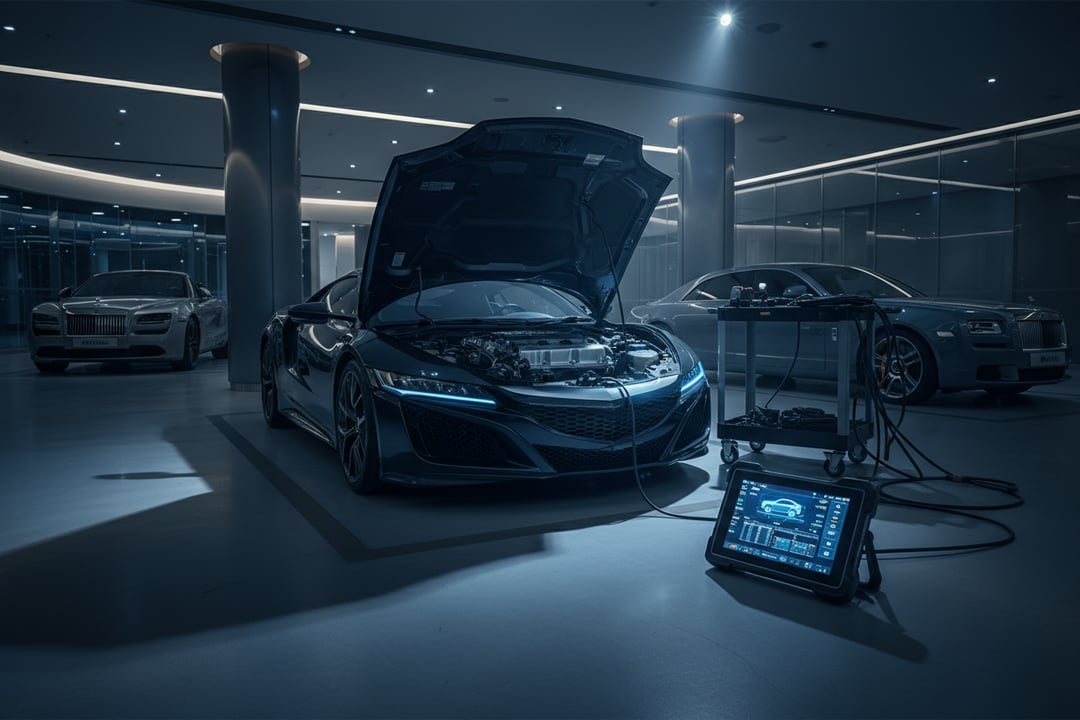
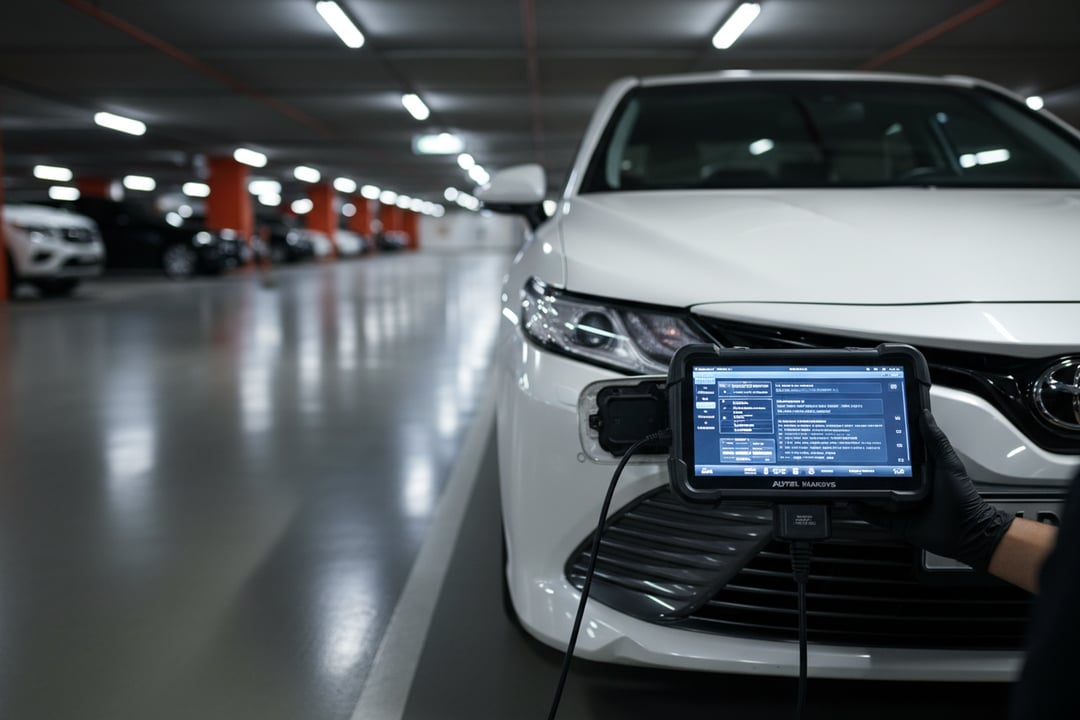
Hondas, particularly modern models, rely on complex sensor networks for engine performance and safety features. Long storage can cause these sensors to drift out of calibration or fail entirely due to condensation buildup inside the delicate electronics. A seized throttle body or a malfunctioning manifold pressure sensor are common failures found in dormant vehicles. Ignoring these signs leads to poor fuel economy, stalling, or the check engine light remaining permanently illuminated. The first critical step in evaluation is a thorough diagnostic scan to identify the root cause of any electrical fault.
Fluid Degradation and Hydraulic Failure
Fluids in a vehicle do not "age" in the traditional sense, but they do deteriorate chemically when left stagnant. Engine oil, if not circulated, can form sludge that restricts oil passages, leading to catastrophic bearing failure upon restart. Brake fluid is hygroscopic, meaning it absorbs moisture from the air; over time, this lowers the fluid's boiling point, which can cause brake fade or, worse, total brake failure during emergency stops.
Transmission fluid viscosity also changes during storage. It may thicken, preventing proper lubrication between clutches and gears, or it may break down, losing its additive package that protects the transmission from wear. Coolant can become acidic, leading to corrosion inside the radiator and heater core. These issues often manifest as leaks or overheating shortly after the vehicle is returned to service. Professional inspection must prioritize the condition of the Fluids category to ensure the internal health of the drivetrain.
Suspension Bushings and Rubber Components
The suspension system of a Honda depends heavily on rubber bushings and mounts to absorb road shock. The intense UAE heat causes these rubber components to dry out, crack, and harden within a few years of stagnation. Dry, brittle rubber loses its ability to dampen vibration and noise, resulting in a harsh, clunky ride quality.
Furthermore, the constant expansion and contraction due to temperature fluctuations can cause ball joints and tie rod ends to seize or wear unevenly. When inspecting a vehicle that has been stored, the Suspension system must be scrutinized for play and noise. A compromised suspension not only ruins the driving experience but also affects tire wear patterns, leading to premature tire replacement. Road testing the vehicle allows the inspector to hear the characteristic noises of a failing suspension system that static inspection might miss.
Tire Age vs. Tread Depth
One of the most deceptive aspects of a stored vehicle is the tire condition. A car with low mileage may appear to have plenty of tread, but tires degrade based on age rather than usage. The synthetic rubber compounds in tires oxidize and crack, particularly on the sidewalls. This degradation, known as dry rot, makes the tires structurally weak and prone to sudden blowouts.
- Sidewall Cracking: Visible fissures indicate the tire is unsafe for high-speed UAE highways.
- Flat Spots: Prolonged parking on soft surfaces causes the tires to develop permanent indentations.
- Pressure Imbalance: Stored tires lose air slowly, leading to uneven wear once the vehicle is driven.
Inspectors must check the manufacturing date of the tires, often found on the sidewall, to ensure they are not beyond their safe service life, regardless of how little they have been driven.
Engine and Transmission Seal Leaks
Long-term storage often leads to the hardening of gaskets and seals. Oil seals and valve cover gaskets shrink and lose their elasticity when dry. When the engine is finally started, the internal pressure can force oil past these compromised seals, resulting in leaks. These leaks are not just unsightly; they can lead to a loss of critical fluid levels and fire hazards if oil drips onto hot exhaust components.
Transmission leaks are equally concerning. A transmission that has sat idle may develop leaks from the pan gasket or axle seals. Identifying these leaks requires a close inspection of the driveway under the vehicle and a review of the vehicle's service history. If the oil level is low or the smell of burning fluid is present, the engine or transmission may have suffered internal damage due to lack of lubrication during the storage period.
Choosing the Right Inspection Strategy
Determining the level of inspection required depends on the vehicle's history and the buyer's risk tolerance. A general overview may miss critical mechanical faults that could cost thousands in repairs. Utilizing professional inspection services provides a structured approach to uncovering these hidden issues.
- Computer Diagnostic (AED 99): Essential for identifying electronic faults, sensor errors, and airbag light issues before a visual inspection begins.
- Body & Computer (AED 250): Combines the diagnostic scan with a detailed visual assessment of the bodywork and engine compartment for physical damage.
- Comprehensive (AED 299): The most thorough option, covering 410+ checkpoints across 25 categories, including frame integrity, road performance, and detailed fluid analysis.
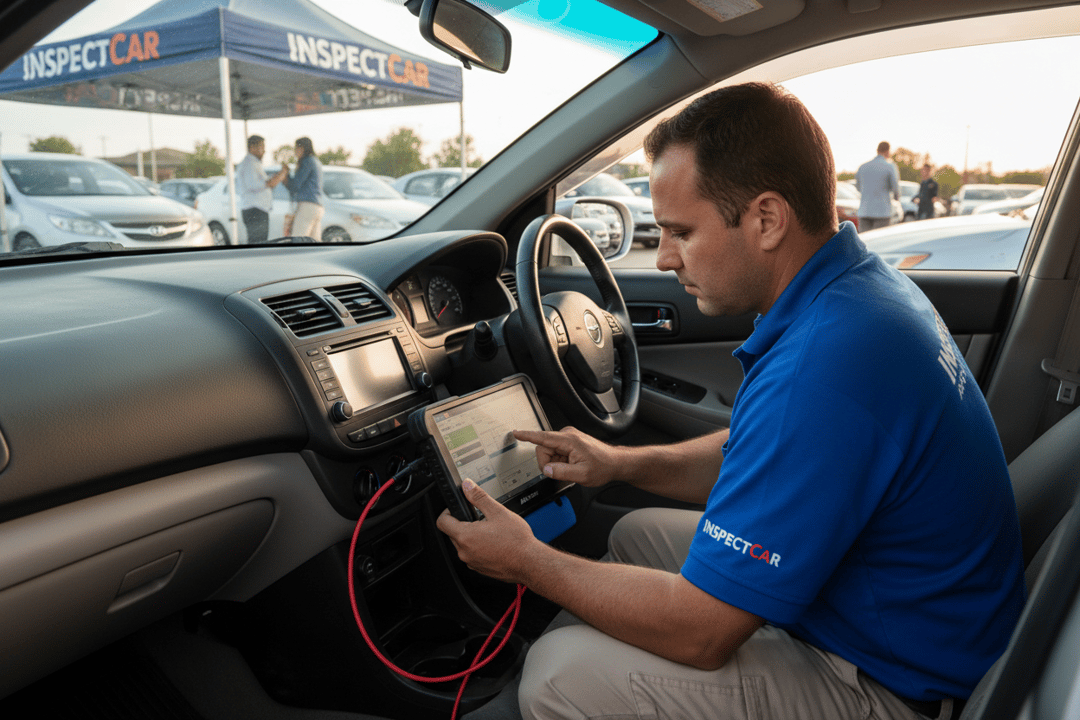
Investing in a professional inspection ensures that no detail is overlooked. Inspector comes to the vehicles available across all 7 Emirates allow inspectors to evaluate the vehicle at the owner's location, providing an unbiased and detailed analysis.
| Inspection Package | Key Focus Areas | Starting Price |
|---|---|---|
| Computer Diagnostic | Engine, Transmission, ABS, Airbag codes, Battery health | AED 99 |
| Body & Computer | Panel-by-panel paint check, Original/Repainted status, Engine scan | AED 250 |
| Comprehensive | Frame, Floor pan, Suspension, Brakes, Tires, Road Test, Full Diagnostics | AED 299 |
For the ultimate peace of mind, a Comprehensive inspection is highly recommended for Honda vehicles returning from long storage. This package covers every aspect of the vehicle's condition, ensuring that the storage period has not compromised safety or functionality.
AutoFay inspects 410+ checkpoints with HD photos and PDF report. Book at autofay.ae or call +971542584458



0 Comments
No comments yet. Be the first to share your thoughts!