
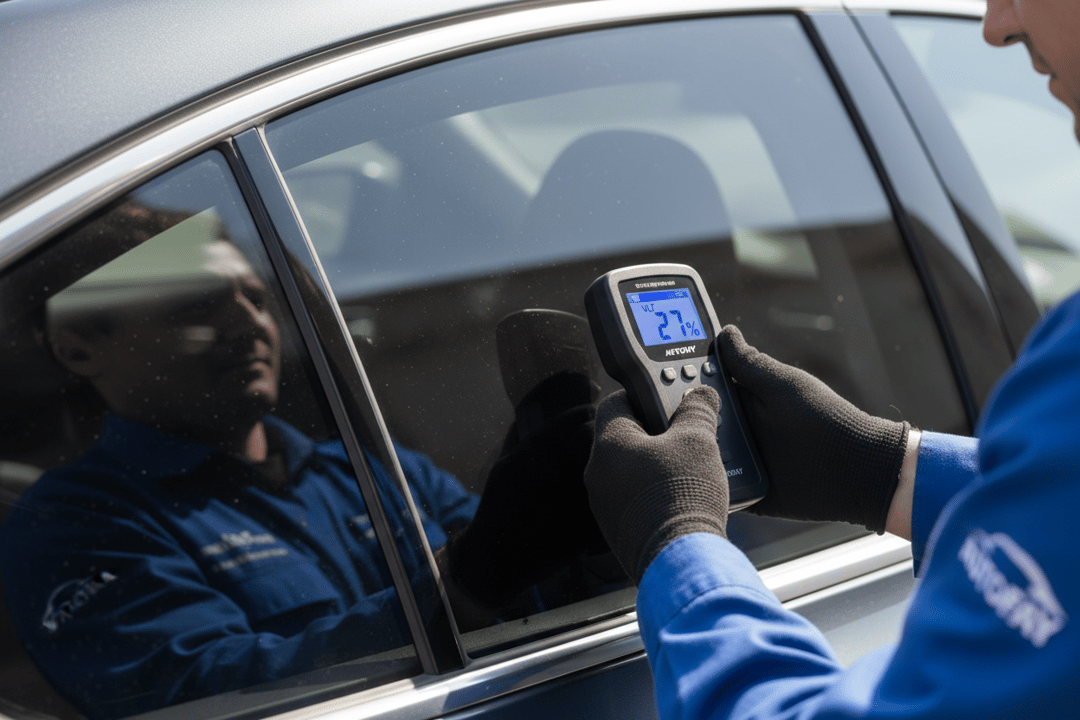
Window tint is nearly universal on vehicles in the UAE. With summer temperatures exceeding 50°C and intense UV radiation year-round, tint serves a genuine functional purpose: reducing cabin temperature, protecting the interior from UV damage, and reducing glare for safer driving. But not all tint is equal, and the condition of window tint reveals information about the car's history and care level that buyers should understand.
Glass Inspection and Tint Condition
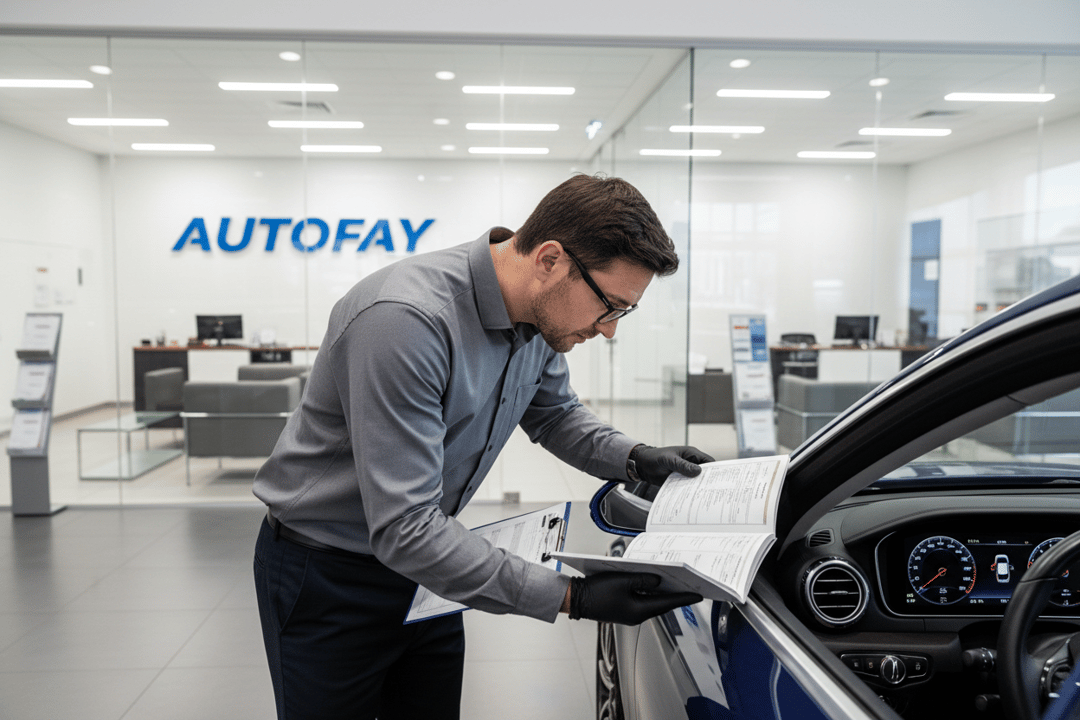
AutoFay's glass inspection covers every window on the vehicle. The windshield is rated No Visible Fault, Chipped, Cracked, Needs Replacement, Aftermarket, or Replaced. Each side window — front left, front right, rear left, rear right — receives its own assessment. The rear window is checked independently, and sunroof/moonroof glass is rated if present. While the glass inspection focuses on the glass itself, the condition of tint applied to each window provides additional information about vehicle care.
High-quality ceramic or metallic tint maintains its appearance for years without discoloration or bubbling. Budget dyed tint, which is significantly cheaper, tends to turn purple or develop bubbles within one to two years of UAE sun exposure. When inspectors observe bubbling tint on a car that is only a few years old, it indicates either budget aftermarket tint was applied or the car was not maintained to a high standard — both of which inform the overall assessment of the vehicle.
What Tint Condition Reveals About the Car
The condition of window tint is a reliable indicator of overall care. A car with clean, bubble-free, properly adhered tint across all windows was likely maintained carefully. A car with bubbling, peeling, or discolored tint on some windows but not others may have had individual windows replaced after damage — which could indicate a previous accident. If the rear window tint is in good condition but one side window has clearly newer tint, that side window was likely replaced, and the reason why matters.
Our glass inspection notes when windows are Aftermarket or Replaced. Combined with the body and frame inspection — which checks each pillar, each panel, and body panel alignment — the window assessment helps build a complete picture. A replaced window on the same side as a repainted door and repaired pillar tells a very different story than a window replaced due to a simple rock chip.
Interior Protection and UV Damage
Window tint quality directly affects interior condition. A car that spent its life with high-quality UV-blocking tint will show better dashboard condition (No Visible Fault, Good, Cracked, or Damaged), less faded door panels, and better-preserved leather or fabric seats (No Visible Fault, Good, Fair, Worn, or Damaged). A car with poor or no tint in UAE conditions shows accelerated interior degradation — cracked dashboards, faded trim, and dried-out leather are common findings.
The steering wheel condition (No Visible Fault, Good, Worn, or Damaged) and center console condition also reflect UV exposure. Cars with lighter interior colors are especially vulnerable because UV radiation bleaches the dyes and breaks down the materials faster. Even the headliner (No Visible Fault, Good, Sagging, or Damaged) can be affected — extreme heat causes the adhesive to soften, leading to sagging headliner fabric.
Tint and Visibility Safety
Excessively dark tint creates safety concerns, particularly at night and in parking structures. Side mirror glass condition — rated No Visible Fault, Cracked, Missing, or Aftermarket — becomes even more important when side window tint is very dark because mirrors become the primary means of lateral visibility. The backup camera (Working, Blurry, Not Working, or N/A) and surround view cameras become more critical on heavily tinted vehicles because visual checks through dark glass are limited.
Our exterior lights inspection ensures all lighting works properly because heavily tinted vehicles rely more on being seen by others through their lights. Tail lights (Working, Dim, One Out, or Not Working), brake lights, and turn signals must all function correctly to compensate for reduced visibility through tinted rear glass.
Practical Advice for Buyers
When evaluating a used car with window tint, look for consistency. All windows should have similar tint quality and condition. Mismatched tint — different shades, different brands, or different conditions between windows — indicates window replacements or piecemeal application at different times. Check for bubbles, especially along window edges and defroster lines on the rear window. Purple or brown discoloration indicates expired dyed tint that will only worsen. Factor tint replacement cost into your assessment if the existing tint is deteriorating.
AutoFay inspects 410 checkpoints including comprehensive glass and interior assessment, with HD photos and a detailed PDF report. On-location inspection across all 7 Emirates. Book at autofay.ae or call +971-54-258-4458.

0 Comments
No comments yet. Be the first to share your thoughts!