

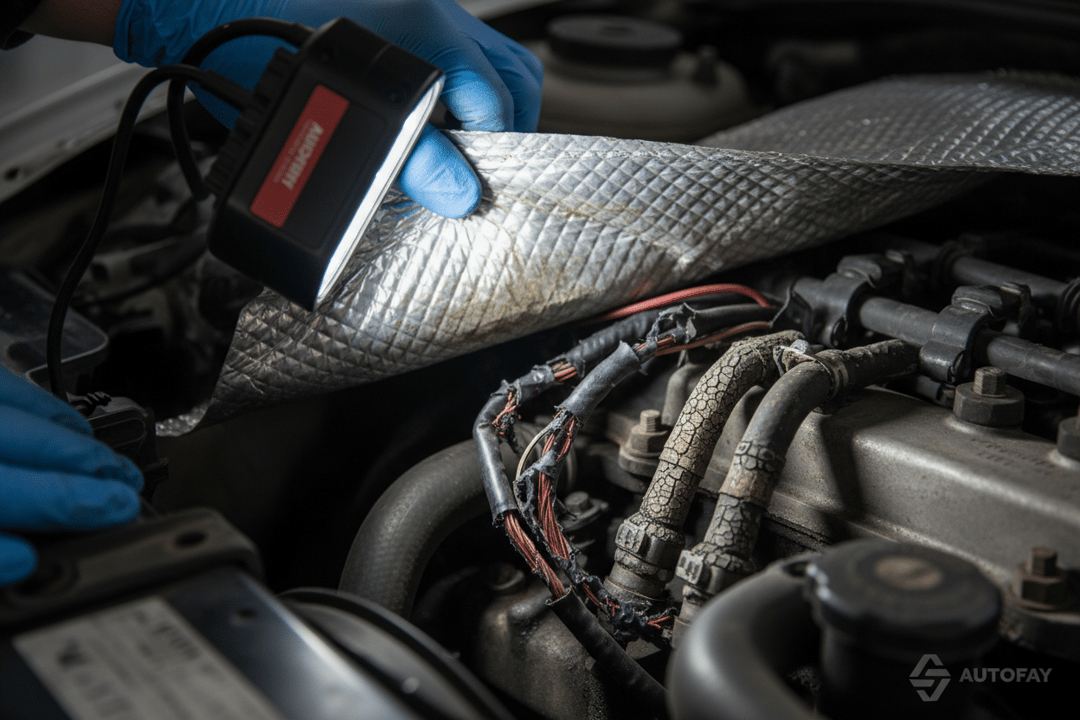
The UAE is one of the harshest operating environments for automobiles on earth. With summer temperatures regularly exceeding 50°C, road surface temperatures climbing above 70°C, and UV index at maximum for months, every component on a vehicle faces accelerated degradation. Our inspectors see the effects of this environment across every inspection category, and the patterns are consistent and predictable.
Rubber: The First Casualty
Rubber is everywhere in a car — door seals, window seals, cooling hoses, drive belts, CV boots, tire compounds, wiper blades, and engine mounts. Heat and UV radiation break down rubber compounds faster than any other environmental factor. Door Rubber Seals rated Worn or Torn are among the most common findings on UAE vehicles over three years old. Cooling Hoses rated Soft or Cracked appear earlier in the vehicle's life than in temperate climates. Drive and Accessory Belts rated Cracked are routine on vehicles that might still have years of belt life remaining in a cooler environment. CV Boots rated Cracked or Torn are found frequently because the rubber dries out and loses flexibility.
Fluids: Faster Degradation Under Heat
Every fluid in the car degrades faster in UAE conditions. Engine Oil turns Dark sooner because higher operating temperatures accelerate oxidation. Transmission Fluid develops Burnt Smell more frequently because summer heat pushes fluid temperatures beyond design specifications, especially in stop-and-go traffic. Coolant Condition deteriorates faster as the cooling system works harder and longer. Brake Fluid absorbs moisture more readily in humid coastal cities like Dubai and Abu Dhabi, turning Dark and reducing its effectiveness.
Batteries, Electronics, and Interiors
Car batteries in the UAE have significantly shorter lifespans. Battery Terminals rated Corroded are extremely common because heat accelerates chemical reactions at the terminal connections. Battery Capacity readings frequently show reduced life on batteries that would last years longer in moderate climates. The intense heat also stresses electronic components — Infotainment Screens rated Glitchy, Digital Instrument Clusters showing Partial display, and Bluetooth rated Intermittent all appear more frequently on UAE-driven vehicles.
Interior damage from heat is visible across multiple checkpoints. Dashboard Condition rated Cracked is common on vehicles that were regularly parked outdoors. Headliner rated Sagging is a signature UAE finding — the adhesive fails from sustained heat exposure. Steering Wheel Condition rated Worn shows accelerated surface degradation from heat-softened material combined with hand contact. Front Seats Condition shows more rapid leather cracking and vinyl deterioration in the UAE than in moderate climates.
Exterior: Paint, Lights, and Glass
UV exposure degrades exterior components systematically. Headlight Lens Condition rated Hazy or Yellowed is one of the most frequent exterior findings. Paint Chips rated Minor to Moderate appear because heat-softened paint chips more easily from sand and stone impacts. Exterior Chrome and Trim rated Faded or Peeling results from UV breakdown. Windshield chips propagate into cracks faster because the thermal expansion from sun-heated glass creates stress at the chip point.
The cooling system, AC system, and tires all work under greater stress than their global specifications account for. Our inspection captures the current state of every component — giving buyers the information to understand not just what condition the car is in today, but how much the UAE environment has affected its overall life expectancy.
AutoFay checks 410+ checkpoints covering every system affected by UAE conditions, with HD photos and a detailed PDF report. On-location inspection across all 7 Emirates. Book at autofay.ae or call +971-54-258-4458.


0 Comments
No comments yet. Be the first to share your thoughts!