

Company fleets in the UAE face unique challenges. Vehicles are driven by multiple people with varying driving habits, maintained on corporate schedules that may not match actual vehicle needs, and operated in some of the harshest driving conditions in the world. Whether you manage five cars or fifty, systematic inspection provides the data you need to make smart choices about each vehicle in your fleet.
Why Fleet Inspection Differs from Individual Inspection
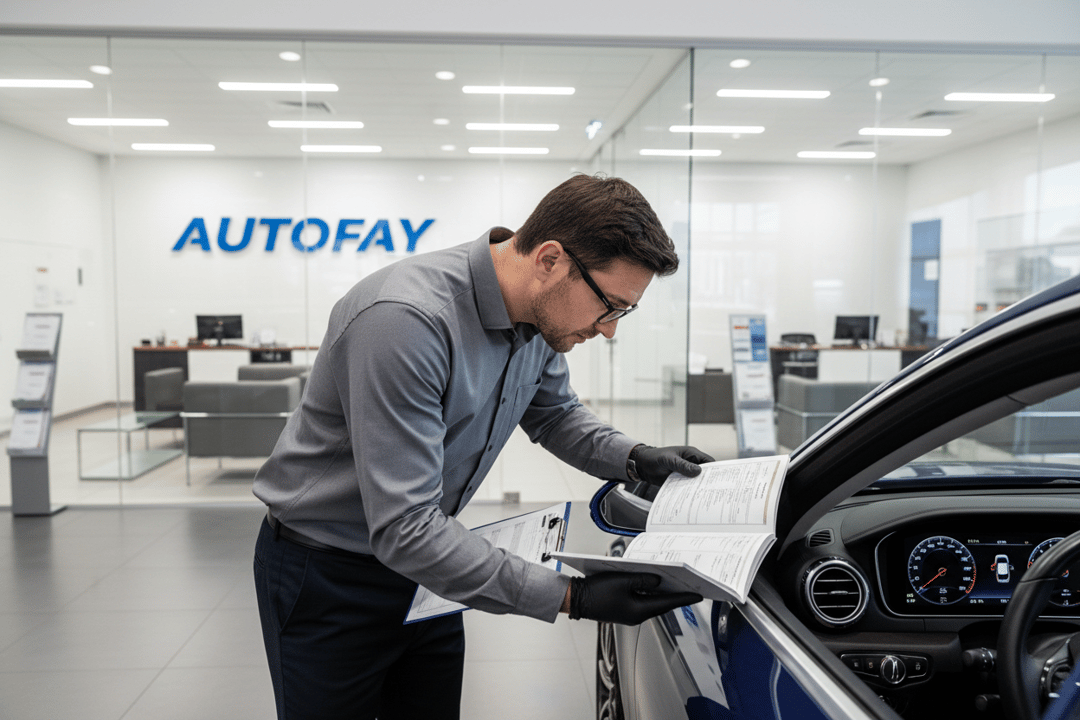
When an individual buyer inspects a car, they want to know if this specific car is worth buying. Fleet inspection serves a different purpose — it creates a documented condition baseline across all vehicles, enabling comparison, trend identification, and proactive maintenance planning. AutoFay's 410+ checkpoint inspection generates a standardized report for each vehicle, making it possible to compare condition across the entire fleet using the same criteria and rating scales.
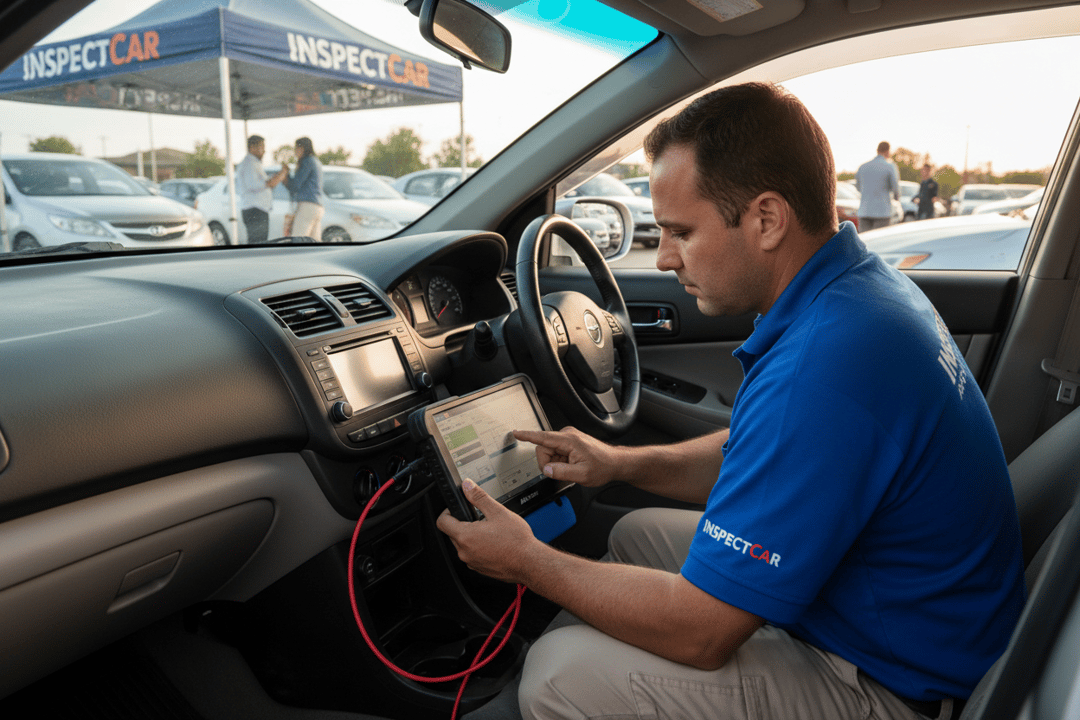
Each vehicle gets the same systematic assessment: engine start and operation (engine starts and idles, check engine light, warning lights, abnormal engine noises), body and paint condition on every panel, frame integrity, all glass, exterior lights, doors, interior condition, infotainment, HVAC, under-hood components, engine condition, OBD scan, fluids, cooling system, brakes, suspension, tires, exhaust, safety systems, and road test. This consistency lets fleet managers see patterns across vehicles of the same make and model at similar mileage points.
Safety Compliance Across the Fleet
Fleet managers carry responsibility for the safety of every driver in every vehicle. The inspection systematically verifies safety-critical items: airbag system status (No Warning, Warning Light On, or Deployed), seat belt condition, ABS system function, brake pad thickness, tire condition and age, all exterior lighting, and advanced safety systems like blind spot detection, lane departure warning, and automatic emergency braking.
A single fleet inspection cycle can identify vehicles that need immediate safety attention — a car with brake pads under 25%, tires manufactured more than four years ago, or a stored airbag fault code. Rather than relying on drivers to report problems, the inspection proactively documents safety status across the fleet.
Maintenance Planning with Real Data
Fleet maintenance budgets are often set annually based on estimates. Inspection data replaces estimates with measured condition. When you know that eight vehicles need brake pad replacement within the next quarter and three need new tires, you can plan procurement and schedule service efficiently. Fluid condition across the fleet — engine oil, transmission fluid, coolant, brake fluid — tells you which vehicles are due for service and which have been missed.
The OBD scan results are particularly valuable for fleet management. Stored fault codes across multiple vehicles of the same model can reveal common issues — a pattern of transmission codes across your Nissan Patrol fleet, for example, indicates a model-specific concern rather than individual vehicle abuse. This data helps fleet managers work with service providers more effectively.
Resale Value Protection
Fleet vehicles are assets that depreciate. Maintaining documented condition records through regular inspection supports higher resale values. A fleet vehicle with inspection reports showing consistent Good condition across body panels, original paint, and well-maintained mechanicals commands a premium over an undocumented equivalent. The PDF report with HD photos serves as verifiable proof of condition at specific points in time.
Inspection also identifies the optimal time to dispose of vehicles. When a car begins showing multiple items that need replacement — worn suspension, aging tires, deteriorating AC performance — the cost of maintaining it may exceed the benefit of keeping it in the fleet. Data-driven disposal decisions protect the fleet budget.
Driver Accountability
When vehicles are inspected at regular intervals, driver behavior becomes visible in the data. A vehicle assigned to a careful driver will show even tire wear, clean interior, and minimal body damage. A vehicle that shows cupping tire wear, stained interior, and multiple scratches tells a different story. Interior smell rated as Smoke is documented — fleet policies on smoking in company vehicles can be enforced with objective evidence.
AutoFay provides fleet inspection services across all 7 Emirates. 410 checkpoints per vehicle, HD photos, detailed PDF reports. Contact us for fleet inspection packages at autofay.ae or call +971-54-258-4458.

0 Comments
No comments yet. Be the first to share your thoughts!