

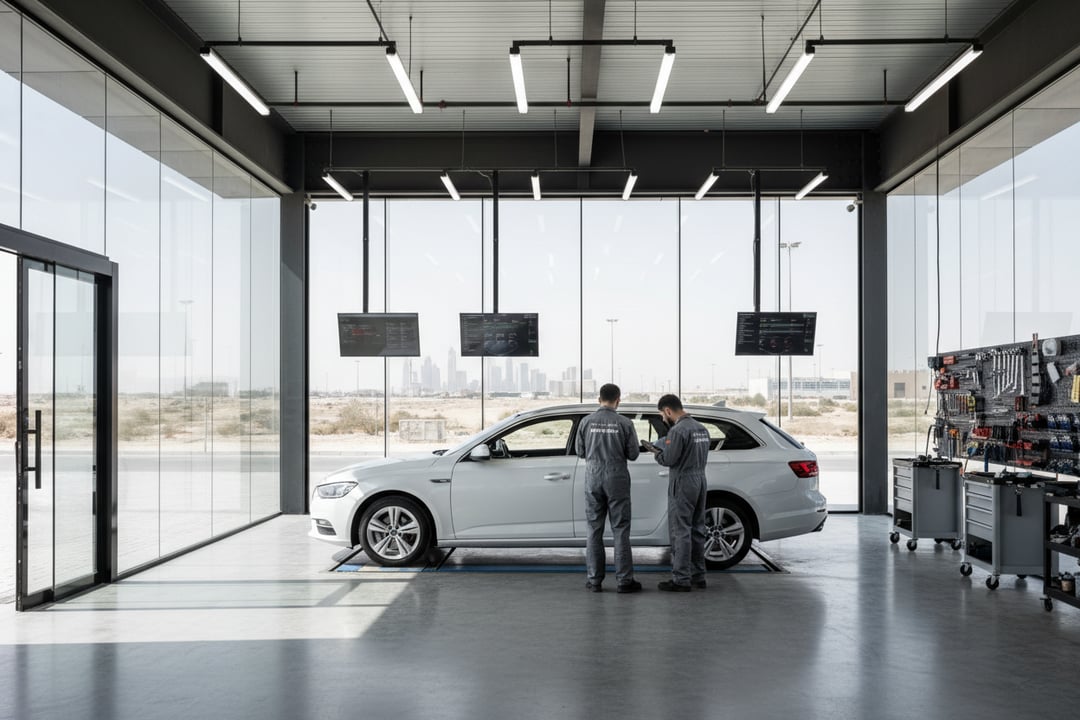
The vehicle classification of a Wagon significantly dictates insurance premiums in the UAE due to perceived risk factors regarding weight, handling, and repair costs. Unlike standard sedans, wagons often possess higher center-of-gravity characteristics and larger dimensions, which insurers associate with a higher probability of collision or rollover events. Additionally, the structural complexity of wagons—often featuring more reinforced body panels and larger cargo spaces—translates to elevated repair expenses. Consequently, insurance underwriters categorize wagons differently, frequently placing them in mid-to-high risk brackets compared to compact sedans. Understanding this classification is the first step in managing insurance costs effectively.
Structural Integrity and Accident Liability
The structural framework of a wagon is the primary determinant of long-term insurance liability. A vehicle with a compromised frame, bent pillars, or damaged floor pans is statistically more likely to suffer further damage in subsequent accidents. Insurance companies assess the cost of structural repairs as a major factor in premium calculation. If an inspection reveals that the chassis rails are out of alignment or the structural pillars have been repaired, the insurer views the vehicle as a high-risk asset. This perception increases the likelihood of a total loss scenario in the event of a major collision, directly inflating the premium.
Professional inspection services utilize rigorous methods to evaluate these critical areas. Inspectors look for discrepancies in alignment and signs of welding that indicate frame damage. By identifying these issues early, vehicle owners can address structural weaknesses before they impact insurance eligibility or cost. A clear structural report serves as evidence that the vehicle is safe to drive, potentially preventing sudden premium hikes due to perceived instability.
Bodywork and Paint Assessment
Panel-by-panel inspection of the body and paint is essential for determining if a vehicle has been involved in previous collisions. Insurance premiums are heavily influenced by the history of a car; evidence of a major accident, even if repaired, signals increased risk to the insurer. A mismatch in paint color, uneven panel gaps, or signs of overspray point to repainted sections. These findings suggest that the vehicle has sustained damage severe enough to require bodywork, which may have compromised structural integrity or safety features.
Repairing bodywork is a significant expense for any insurance provider. If the paint quality is poor or the panels are not fitting correctly, the vehicle is more prone to rust and corrosion over time. This corrosion can spread to structural components, further increasing the risk of failure. Therefore, specific inspection packages that focus on body and paint integrity are vital for understanding the true condition of a wagon and its potential future repair costs.
Mechanical Health and Transmission Risks
The mechanical condition of a wagon, particularly the engine and transmission, plays a critical role in determining insurance premiums. A vehicle with a history of engine failure or transmission slippage presents a high risk of total loss or undrivable condition. Insurance policies cover the cost of repairing or replacing these major components, which are expensive to fix. If an inspection reveals issues such as excessive smoke from the exhaust, worn engine mounts, or strange noises during operation, the vehicle is deemed mechanically unstable.
Transmission health is equally important. A malfunctioning transmission can render a vehicle undrivable instantly, leading to a total loss claim. Insurers prefer vehicles with verified mechanical stability. Advanced diagnostic tools are required to uncover hidden issues within the engine and transmission systems. This is where computer diagnostics become indispensable for a thorough vehicle evaluation.
- Engine Performance: Smoke color, mount integrity, and sound quality indicate internal wear or failure.
- Transmission Health: Shifting irregularities and error codes suggest internal component degradation.
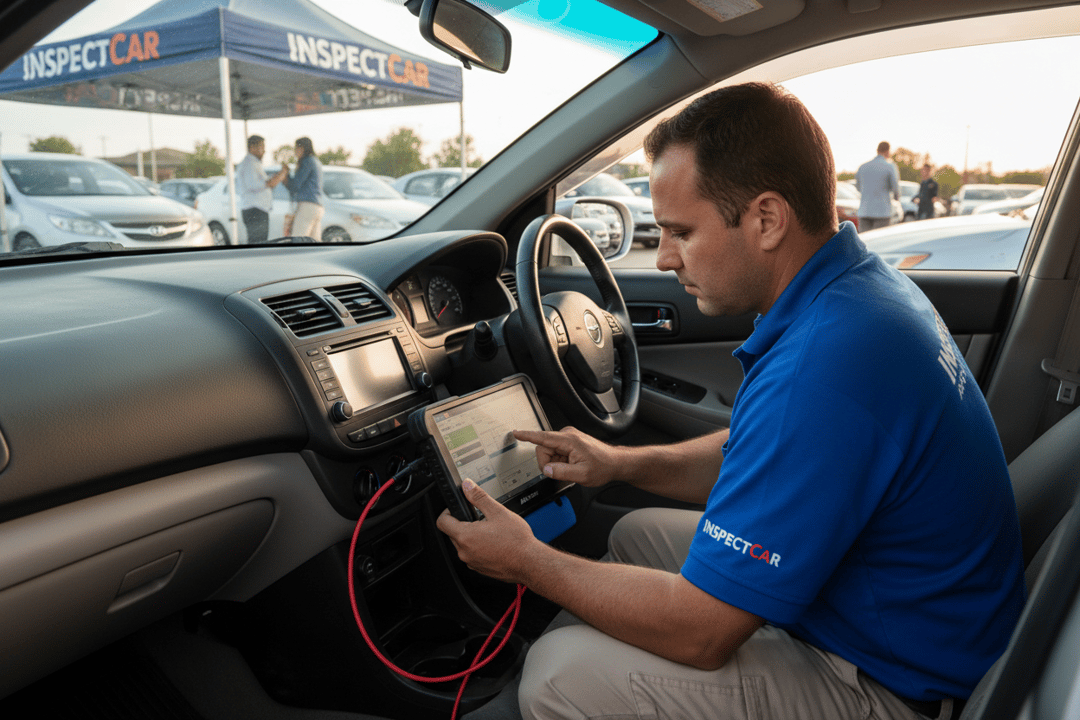
- OBD Scans: Accessing engine, transmission, ABS, and airbag codes reveals system faults not visible to the naked eye.
The Impact of Safety Systems on Premiums
Modern wagons are equipped with advanced safety systems, including Anti-lock Braking Systems (ABS) and airbags. The operational status of these systems is a major metric for insurance rating. If an OBD scan reveals active codes in the ABS module or airbag sensors, the vehicle may not meet safety standards. A faulty ABS system compromises braking efficiency, increasing the likelihood of accidents. Similarly, an airbag that has been deployed or is malfunctioning renders a vital safety feature useless.
Insurance providers factor in the cost of replacing these safety components. If a vehicle has a history of airbag deployment, the replacement cost is high, and the risk of future accidents is perceived as elevated. An inspection that verifies the functionality of these systems provides transparency to the insurer. A clean safety system report can be a negotiating tool to secure better rates, as it proves the vehicle adheres to safety regulations.
Brakes, Suspension, and Tire Wear
The braking system and suspension components are the immediate link between the driver and road safety. Worn brake pads reduce stopping distance, while a compromised suspension leads to poor handling and tire wear. Insurers calculate premiums based on the probability of a claim arising from a driving accident. A vehicle with less than 50% brake pad life or worn-out tires is statistically more dangerous to insure.
Furthermore, the manufacturing year and wear level of tires must be documented. Tires with low tread depth are prone to blowouts, especially during the UAE’s extreme summer heat. Suspension components that are worn or leaking affect the vehicle's alignment and ride quality. Inspectors rate the percentage of brake pad life and assess the condition of shock absorbers and struts. A high-quality inspection report detailing the condition of these systems allows owners to justify lower premiums by demonstrating proactive maintenance.
Fluids and Road Test Performance
The condition of essential fluids often predicts the longevity of a vehicle's major components. Low fluid levels or fluids that are contaminated with debris indicate that internal parts are wearing down faster than expected. Engine oil that is dark and sludgy suggests poor maintenance, which can lead to catastrophic engine failure. Transmission fluid condition is another key indicator; dirty fluid can cause slipping and overheating.
A professional road test evaluates the vehicle’s dynamic performance. Inspectors listen for abnormal noise, check for vibration, and assess acceleration and braking smoothness. A vehicle that vibrates excessively or makes grinding noises during braking is a liability. These findings provide a comprehensive picture of the vehicle's current state, directly influencing the underwriting decision regarding premium rates.
AutoFay Inspection Packages: A Technical Overview
To accurately assess these factors and present them to insurers or potential buyers, a comprehensive inspection service is required. AutoFay offers a on-location inspection service covering all 7 Emirates with over 410+ checkpoints across 25 categories. The service provides detailed documentation that serves as a factual baseline for vehicle valuation and insurance negotiation.
For a quick assessment of the vehicle's electronic systems, the Computer Diagnostic service is available for AED 99. This package scans engine, transmission, ABS, and airbag codes to uncover hidden faults. For a more detailed evaluation of the vehicle's exterior and mechanical health, the Body & Computer package costs AED 250. This service includes a panel-by-panel check for repaints and repairs, along with the diagnostic scan. For the most thorough evaluation of a wagon, the Comprehensive package at AED 299 covers all aspects, including tires, fluids, and a full road test, ensuring every safety and performance metric is documented.
| Inspection Category | What It Reveals for Insurance |
|---|---|
| Frame Integrity | Risk of structural failure and total loss in accidents. |
| Engine & Transmission | td>Probability of mechanical failure and repair liability.|
| Body & Paint | History of collision damage and repair quality. |
| Brakes & Suspension | Stopping power and handling safety levels. |
| Tires & Fluids | td>General maintenance condition and wear levels.|
| OBD Diagnostics | td>Active error codes in safety and performance systems.
On-Location Service Across the Emirates
Accessibility to professional inspection services is crucial for vehicle owners in the UAE. AutoFay provides the convenience of a on-location inspection, bringing the inspection directly to the owner’s location. This eliminates the need to transport a potentially unsafe vehicle to a physical hub. Whether located in Dubai, Abu Dhabi, or the Northern Emirates, owners can utilize the service to obtain a certified report based on the 410+ checkpoints. The service delivers HD photos and a comprehensive PDF report, ensuring that every finding is documented with visual evidence.
AutoFay inspects 410+ checkpoints with HD photos and PDF report. Book at autofay.ae or call +971542584458


0 Comments
No comments yet. Be the first to share your thoughts!