
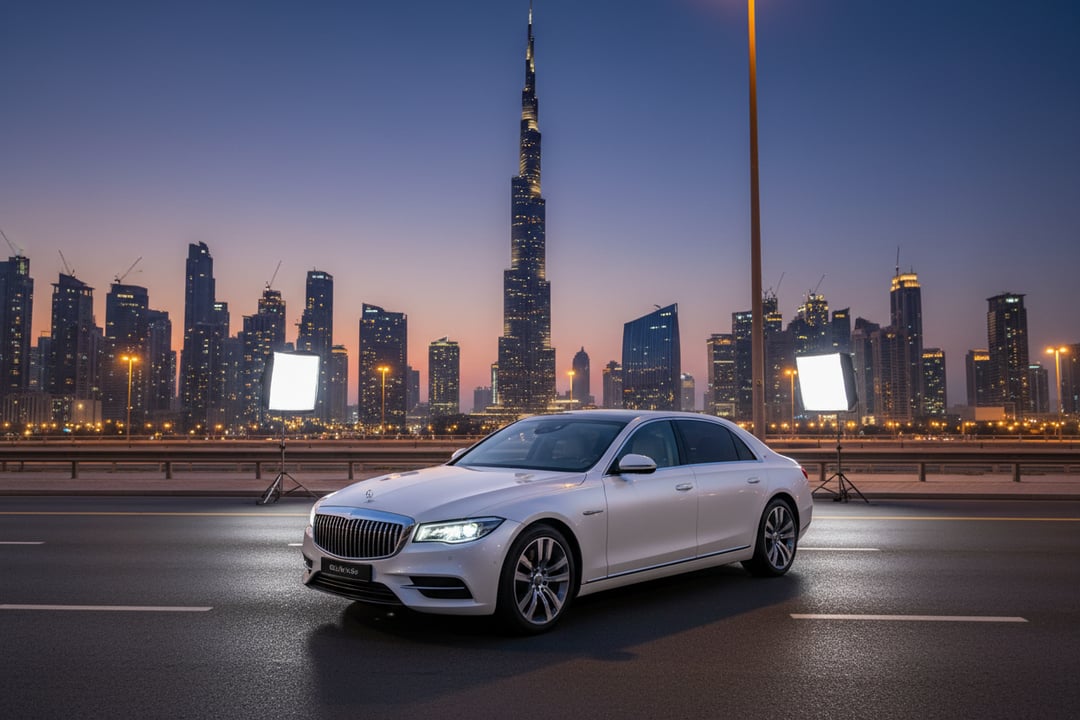
The UAE insurance market is highly competitive, yet premiums for sedans often reflect more than just the model year or the driver's history. Insurers evaluate risk based on the vehicle's structural integrity, safety systems, and repairability. A sedan's premium is heavily influence by its physical condition and specific engineering characteristics. Understanding these factors allows owners to anticipate costs and ensure their vehicle meets safety standards. This guide examines how vehicle type dictates insurance rates and how the physical state of the car impacts those calculations.
The Correlation Between Sedan Type and Premiums
Insurance premiums in the UAE are not uniform across all vehicle classes. The categorization of a sedan into entry-level, mid-range, or luxury segments directly influences the base cost of coverage. Luxury sedans, such as BMW or Mercedes-Benz models, typically command higher premiums due to the high cost of replacement parts and specialized labor. Conversely, economy sedans have lower premiums because their components are less expensive to source and replace.
Engine displacement also plays a significant role in determining risk assessment. High-performance sedans with larger engines often have higher premiums because they are associated with higher speeds and increased accident severity. Additionally, the presence of advanced safety features, such as adaptive cruise control and lane assist, can sometimes lower premiums due to reduced accident liability, though this depends on the specific policy terms.
How Vehicle Condition Affects Insurance Rates
Insurers assess the risk of paying a claim based on the likelihood of the vehicle being involved in an accident or suffering significant mechanical failure. A vehicle in excellent condition is considered a lower risk for insurers because it is less likely to have hidden defects that could lead to a total loss. Conversely, a vehicle with structural damage or poor mechanical health may be classified as high-risk, potentially increasing the premium or excluding certain types of coverage.
The "total loss" potential is a key metric for insurers. If a vehicle has a history of frame damage or has been reconstructed, insurers may view it as structurally unsound. This perception increases the likelihood of a total loss payout, which drives up the cost of premiums for that specific vehicle profile. Transparency regarding the vehicle's history is crucial for accurate premium calculation.
Key Inspection Categories Impacting Insurance Rates
Inspection findings provide the data points insurers use to validate a vehicle's condition. A thorough inspection examines critical systems that determine the safety and longevity of the car. Insurers scrutinize reports that indicate structural compromise or missing safety equipment, as these factors directly impact the insurer's liability.
- Body & Paint: Inspectors analyze panels panel-by-panel to determine if the paint is original or has been repainted due to accidents. Repainted panels suggest prior damage, which can increase the likelihood of future rust or poor repair quality, affecting the settlement value in a claim.
- Frame Integrity: The inspection of frame rails, pillars, and the floor pan is vital. Any bending or misalignment in these structural components indicates past collision damage. A compromised frame affects the vehicle's ability to protect occupants, a major factor in liability assessments.
- Engine Performance: Mechanics listen for unusual sounds, check mount conditions, and observe smoke color during a road test. Engine failure can lead to catastrophic incidents, such as fires or power loss, increasing the insurer's risk exposure.
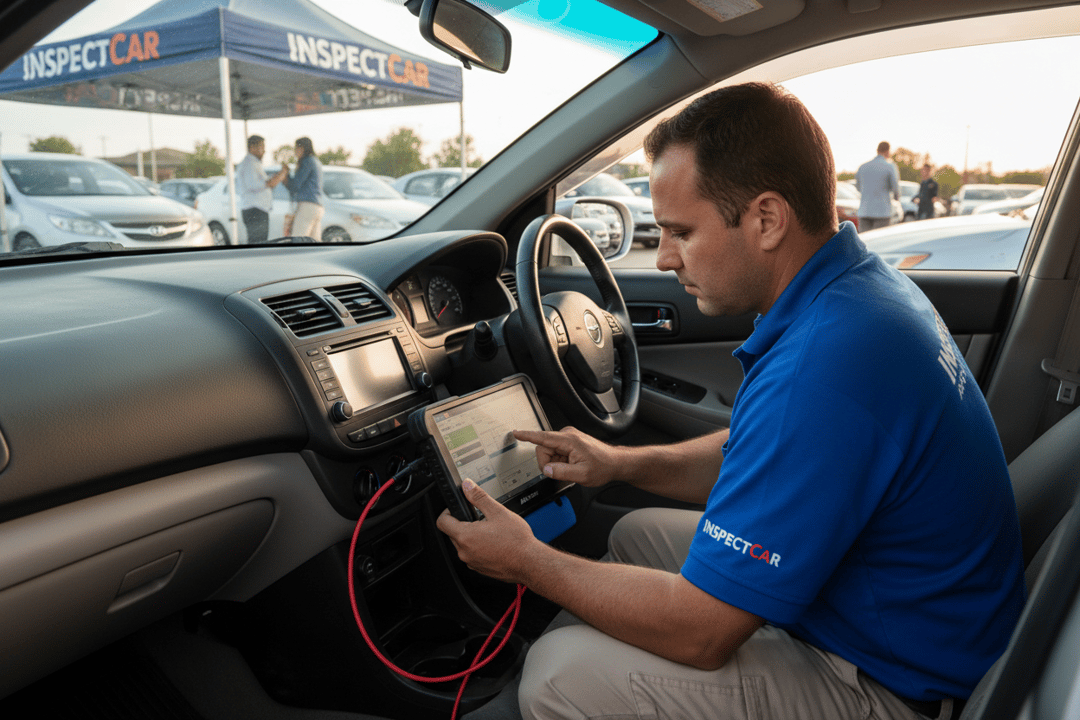
- Electronics & OBD Scan: A diagnostic scan reveals hidden errors in the engine, transmission, ABS, and airbag systems. An airbag light that remains on invalidates the vehicle's safety certification, which insurers will not cover fully without rectification.
- Braking and Suspension: The percentage rating of brake pads and the condition of suspension components determine the vehicle's ability to stop and handle safely. Worn brakes and loose suspension increase the probability of collision.
- Tires and Fluids: Tires must meet manufacturing year standards to ensure proper traction. Low fluid levels or contaminated fluids suggest poor maintenance, which can lead to sudden mechanical failure.
Understanding the Consequences of Poor Inspection Results
When a vehicle fails specific inspection checkpoints, the consequences extend beyond immediate repair costs. Insurance policies often contain clauses regarding pre-existing conditions. If a vehicle has a history of frame damage that was not disclosed, an insurer may deny a claim for subsequent collision damage if the new accident exacerbated the pre-existing structural weakness.
Furthermore, a vehicle with significant body damage or repainted panels may be undervalued in a total loss scenario. Insurers calculate the "actual cash value" based on the market condition of the car. A vehicle with mismatched panels or non-original paint is valued lower than a pristine example of the same model. This valuation gap means the owner receives less compensation to purchase a replacement vehicle.
Utilizing Professional Inspection Services
Owners and prospective buyers in the UAE can mitigate these risks by utilizing professional inspection services before purchasing insurance or selling the vehicle. A comprehensive inspection provides an objective report that validates the vehicle's condition. This data helps owners negotiate better insurance rates by proving the vehicle is safe and well-maintained.
For those seeking a detailed evaluation, AutoFay offers a on-location inspection across all seven Emirates. The service covers 410+ checkpoints across 25 categories. Professional inspections are essential for verifying that a car is roadworthy and free from hidden structural issues that could invalidate insurance coverage.
| Inspection Package | Service Included | Estimated Cost |
|---|---|---|
| Computer Diagnostic | Engine, Transmission, ABS, Airbag Code Scanning | AED 99 |
| Body & Computer | Panel-by-panel Body/Paint analysis combined with Computer Diagnostic | AED 250 |
| Comprehensive | Full 410+ checkpoint inspection covering Body, Frame, Engine, Brakes, Suspension, Tires, Fluids, and Road Test | AED 299 |
Investing in a comprehensive inspection acts as a safeguard for your financial interests. It highlights areas that may require repair before they become costly insurance claims. By identifying issues with the frame, engine, or braking system early, you can address them proactively. This maintenance not only ensures safety but also maintains the vehicle's value and insurability.
AutoFay inspects 410+ checkpoints with HD photos and PDF report. Book at autofay.ae or call +971542584458

0 Comments
No comments yet. Be the first to share your thoughts!