

Minivans remain the most utilitarian and popular vehicle class for families across the United Arab Emirates. The demand for these vehicles is driven by their ability to transport large families comfortably, a requirement that prioritizes space and reliability over sportiness. However, the UAE market is competitive, and the difference between a high resale price and a depreciation hit often comes down to unseen details. While mileage acts as a baseline for value, the mechanical and structural health of the vehicle dictates the final transaction price. Understanding which models hold value and what inspection factors matter most requires a deep dive into the specific criteria used to evaluate these family haulers.
Models with the Lowest Depreciation Rates
Several minivan models in the UAE demonstrate remarkable resilience when it comes to retaining value. The primary reason for this stability is brand reputation for reliability and the high perceived utility of the vehicle. The Toyota Alphard and Vellfire consistently lead this segment due to their luxury positioning and status symbol appeal. Because these vehicles are often imported and retain a "new car" feel for longer, their depreciation curve is significantly flatter than standard family sedans. Similarly, the Honda Odyssey is highly regarded for its practicality and Honda’s reputation for engine longevity, making it a favorite among buyers looking for a second-hand minivan.
The Mitsubishi Grandis also holds its value well, particularly among buyers seeking a balance between affordability and reliability. These vehicles retain value because the market understands their strengths: spacious interiors and low maintenance costs. When purchasing any of these models, the buyer must differentiate between a high-mileage example that has been maintained and one that has been abused. The resale value of these cars drops drastically if the vehicle history reveals a lack of care, regardless of the brand's inherent reputation.
The Critical Impact of Mechanical Integrity
Resale value is heavily tethered to the mechanical condition of the minivan. A vehicle with a healthy engine and transmission commands a premium because it represents lower future costs for the buyer. Key mechanical checkpoints that inspectors scrutinize include the sound of the engine during operation, the condition of the mounts, and the color of exhaust smoke. White smoke typically indicates coolant burning, while blue smoke suggests oil consumption, both of which significantly devalue the vehicle. Inspectors also evaluate the engine mounts, as worn mounts lead to excessive vibration and noise during operation, which are immediate turn-offs for potential resellers.
- Suspension Health: Worn shock absorbers and struts affect ride comfort and safety. A minivan with a "bouncy" ride or clunking noises during cornering will see its resale value plummet.
- Brake System Condition: Brake pad percentage and the condition of discs are critical. Inspectors rate brake pads on a percentage scale; pads below 50% require immediate replacement, signaling to buyers that maintenance costs are due.
- Fluid Analysis: Engine oil, coolant, and brake fluid levels are checked for both quantity and condition. Contaminated fluids indicate neglect and potential internal component wear.
Body and Paint: The Visual Determinant of Value
Cosmetic condition is often the first factor a buyer notices, but it also has a significant mathematical impact on the price. The value of a minivan is heavily influenced by whether the paint is original or has been repaired. Original paint suggests that the vehicle has not been involved in accidents requiring major bodywork. Repainted panels, especially if the color code does not match, lower the resale value because they indicate previous damage.
Professional inspection requires a panel-by-panel analysis. A experienced inspector looks for inconsistencies in paint texture, orange peel effects, or mismatched color codes between panels. In the UAE, where harsh sunlight and salt air (near coastal areas) can cause paint fading, original paint is a premium feature. Companies offering body and computer inspections must verify that repairs were done correctly to avoid rust and structural compromise. A minivan with a history of poor-quality body repairs will struggle to sell at market rates compared to one with original factory paint.
Structural Safety and Frame Integrity
Underneath the skin, the structural safety of the minivan is paramount for resale value. Even if a vehicle drives well, a damaged frame or compromised pillars renders the vehicle unsafe. Inspectors meticulously check the frame rails, pillars, and floor pan for corrosion or signs of prior collision repair. A straight frame ensures the vehicle can withstand impact in the event of an accident, which is a major selling point for safety-conscious families.
Damage to the structural integrity of a minivan is a deal-breaker for most buyers. It suggests that the vehicle may not provide adequate protection in a crash, regardless of the cosmetic appeal. Therefore, a comprehensive inspection that includes frame analysis is essential before finalizing any purchase. A clean, rust-free frame is a strong indicator that the vehicle has not been in a serious accident, securing its place at the top of the resale market.
Electronic Systems and Diagnostic Accuracy
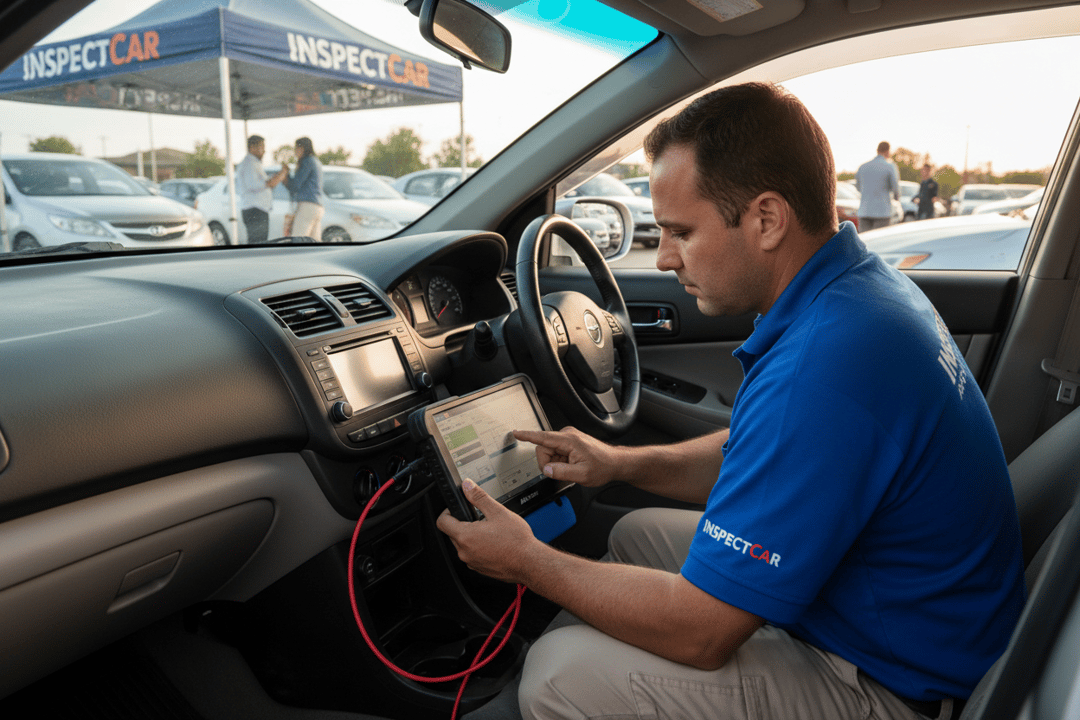
Modern minivans are complex machines with extensive electronic systems. A failed sensor or a malfunctioning transmission controller can significantly reduce the vehicle's appeal. This is where an OBD scan becomes indispensable. This process reads the vehicle's onboard computer to retrieve error codes for the engine, transmission, ABS, and airbag systems. A vehicle with a history of airbag deployments requires replacement airbag modules to pass safety inspections, a costly repair that affects value.
Transmission issues are particularly damaging to resale value. If the OBD scan reveals transmission codes or delayed shifting, it indicates that the transmission is nearing the end of its life. For buyers, this represents a looming financial risk. A diagnostic check starting at AED 99 for a basic computer scan can reveal these critical issues before a purchase is made. Buyers rely on accurate diagnostic data to negotiate price reductions or walk away from a vehicle with hidden electronic failures.
Summary of Inspection Value
The following table outlines how critical inspection factors influence the resale value of a minivan in the UAE market.
| Inspection Category | Impact on Resale Value | Consequence of Neglect |
|---|---|---|
| Body and Paint | High | Original paint commands a premium; repainted areas reduce value due to perceived accident history. |
| Frame Integrity | Critical | Structural damage renders the vehicle unsafe, drastically lowering the offer price. |
| Engine and Transmission | Very High | Smoke, unusual noises, or transmission codes signal major component failure and high repair costs. |
| Brakes and Suspension | High | Worn pads or leaking shocks indicate immediate upcoming maintenance expenses. |
| Tires | Medium | Low tread depth requires immediate replacement, reducing the net price the buyer is willing to pay. |
Minivans are significant investments, and their resale value is determined by a complex interaction of mechanical reliability, cosmetic perfection, and structural safety. To accurately assess these factors, a professional on-location inspection service is the most efficient method. Inspectors conduct a 25-category evaluation covering 410+ checkpoints, ensuring every aspect of the vehicle is documented. Whether utilizing a basic computer diagnostic for AED 99 or a comprehensive package for AED 299, the data provided is essential for understanding the true worth of a used minivan.
AutoFay inspects 410+ checkpoints with HD photos and PDF report. Book at autofay.ae or call +971542584458

0 Comments
No comments yet. Be the first to share your thoughts!