

The automotive landscape in the United Arab Emirates has undergone a significant transformation over the last decade. The dominance of sedans, once the standard for personal transport, has been challenged and largely supplanted by the crossover segment. This shift affects more than just showroom aesthetics; it fundamentally alters the financial responsibility of ownership, specifically regarding insurance premiums and claim settlements. Understanding the correlation between vehicle type and insurance costs requires a deep knowledge of automotive mechanics and risk assessment. For owners and potential buyers in the UAE, the vehicle’s physical condition and mechanical integrity are not merely maintenance concerns but critical factors that determine financial exposure.
The Influence of Vehicle Dimensions and Weight on Risk Profiles
The primary driver of insurance premiums for crossovers is their physical footprint. Unlike sedans, which are generally lighter and lower to the ground, crossovers possess higher ground clearance, larger dimensions, and greater weight. Insurance underwriters assess risk based on the potential cost of damage incurred during an incident. A heavier vehicle poses a higher risk of damaging infrastructure, other vehicles, and pedestrians in the event of a collision, leading to elevated premium rates.
Furthermore, crossovers often utilize unibody construction rather than the traditional body-on-frame design found in older SUVs. This design is lighter and improves fuel efficiency, but it also makes the vehicle more susceptible to deformation in specific types of accidents. When the structural integrity of the chassis is compromised, repair costs can escalate rapidly. Insurers view crossovers with a history of structural collision damage as high-risk assets, often resulting in higher liability premiums or restrictions on coverage options.
Body and Paint Assessment: The Visible Impact on Valuation
While the vehicle type establishes the baseline premium, the inspection findings on the bodywork directly impact the settlement amount in the event of a total loss. Insurance payouts are calculated based on the current market value of the vehicle, which is heavily influenced by its aesthetic and physical condition. A crossover with mismatched paint, panel gaps, or evidence of prior bodywork presents a significant challenge for insurers when determining a fair resale value.
During a professional inspection, technicians evaluate body and paint condition on a panel-by-panel basis. Distinguishing between original factory finish and repainted panels is crucial. Repainted areas often indicate previous accidents that may have compromised the underlying metal or fiberglass. If an insurance claim is filed for a total loss, a vehicle with significant bodywork history will be assessed as having diminished value. This distinction ensures that the policyholder receives a settlement that reflects the car's true, pre-accident condition rather than the seller's optimistic valuation.
Frame and Structural Integrity
The framework of the vehicle—the rails, pillars, and floor pan—serves as the skeleton that protects occupants. Even if the exterior paint appears flawless, internal frame damage may be present. Suspension misalignment, uneven tire wear, and unusual noises during driving are often symptoms of a compromised frame. A vehicle with frame damage is structurally unsound and poses a safety hazard. Insurers classify these vehicles as "non-repairable" or "write-offs" in many jurisdictions, meaning the insurance payout will be capped at the salvage value, significantly lowering the financial recovery for the owner.
Mechanical Health and Repair Liability
Beyond the exterior, the mechanical condition of a crossover heavily influences its insurability and the cost of premiums. Insurance companies assess the risk of mechanical failure, particularly for expensive components like the engine and transmission. If a vehicle has a history of poor maintenance, such as worn-out mounts or leaking fluids, the likelihood of catastrophic engine failure increases. This risk translates into higher premiums for comprehensive coverage.
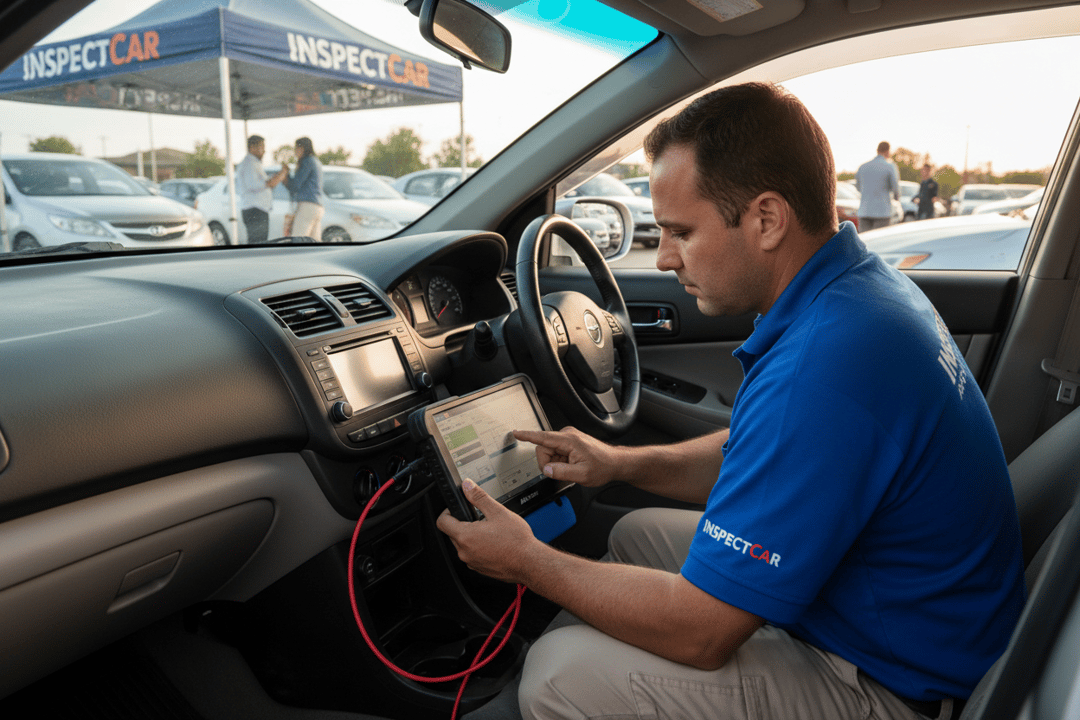
The relationship between inspection findings and insurance rates is bidirectional. While a vehicle's condition affects the payout value, a history of frequent insurance claims due to mechanical issues can also lead to increased premiums and policy cancellations. A professional inspection reveals these hidden liabilities. For example, an OBD scan is essential for identifying error codes related to the engine, transmission, ABS, and airbag systems. These diagnostics provide objective data regarding the vehicle's operational health, allowing for an accurate assessment of the insurance liability.
The Importance of Brakes and Suspension
Braking performance and suspension stability are critical safety features that insurers scrutinize. A brake system with worn pads or damaged rotors significantly increases the stopping distance of a vehicle, raising the risk of accidents. Similarly, worn suspension components affect vehicle handling and ride comfort. Insurers factor these mechanical deficiencies into their risk models. A crossover with a braking pad percentage rating below industry standards may be deemed a higher risk, potentially affecting the premium or the terms of the comprehensive policy.
Leveraging AutoFay for Accurate Valuation and Risk Mitigation
For buyers in the UAE, the gap between perceived value and actual condition can be a financial trap that impacts insurance costs for years. This is where professional inspection services become an indispensable tool. Accurate documentation of a vehicle's condition provides a factual basis for insurance negotiations and prevents overpayment for substandard assets. AutoFay offers a rigorous, on-location inspection service designed to uncover the true state of any crossover.
Utilizing a service like AutoFay allows buyers to obtain a detailed report before finalizing a purchase. This report serves as a defense against inflated insurance claims and helps establish a realistic budget for repairs. The service covers a comprehensive range of checkpoints, ensuring no aspect of the vehicle is overlooked. By investing in an inspection, a buyer ensures that their insurance policy is based on the vehicle's genuine condition, rather than the seller's representation.
| Inspection Package | Service Inclusions | Price (AED) |
|---|---|---|
| Computer Diagnostic | OBD scan for engine, transmission, ABS, and airbag codes. | 99 |
| Body & Computer | Panel-by-panel body and paint assessment plus computer diagnostics. | 250 |
| Comprehensive | Full inspection including Road Test, Brakes, Suspension, Tires, Fluids, Frame, and Engine. | 399 |
Understanding the AutoFay Checkpoints
The difference between a standard walk-around and a professional inspection lies in the depth of analysis. AutoFay employs over 410+ checkpoints across 25 distinct categories to assess a vehicle's condition. This granular approach ensures that every potential issue is identified and documented. Key categories include the Road Test, which evaluates acceleration, braking, noise, and vibration to ensure the vehicle drives as intended.
- Tires: Inspection includes checking manufacturing year and tread wear depth.
- Fluids: Assessment of level and condition for all essential fluids.
- Frame: Detailed examination of rails, pillars, and floor pan for damage.
- Engine: Analysis of sound, mounts, and smoke emissions.
Strategic Implications for Owners
Understanding the impact of inspection findings on insurance costs empowers vehicle owners to take proactive measures. Maintaining detailed service records and ensuring regular inspections can help preserve the vehicle's value. If a vehicle is involved in an accident, obtaining a post-repair inspection ensures that the structural integrity has been restored to manufacturer standards. This documentation is vital when filing subsequent claims, as it proves the vehicle has been returned to its safe, original state.
For those considering purchasing a used crossover, the investment in a thorough inspection is a prerequisite for sound financial management. The cost of an inspection is negligible compared to the potential loss of value resulting from undisclosed accident damage or mechanical failure. By utilizing the services of a licensed inspection company, buyers can navigate the complex UAE automotive market with confidence and clarity.
The correlation between vehicle type and insurance premiums is evident, but the condition of the specific unit dictates the ultimate financial outcome. Accurate valuation is impossible without a detailed inspection. AutoFay inspects 410+ checkpoints with HD photos and PDF report. Book at autofay.ae or call +971542584458

0 Comments
No comments yet. Be the first to share your thoughts!