
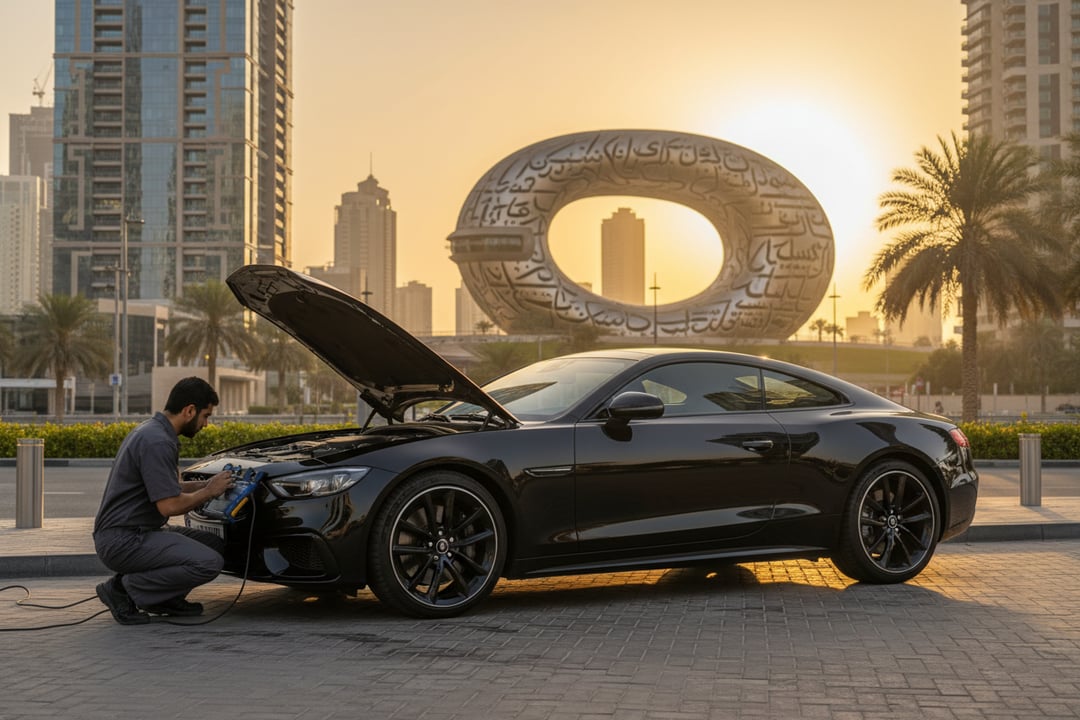
Insuring a coupe in the UAE requires a nuanced understanding of how vehicle dynamics, repair economics, and current condition influence risk assessment. Insurance providers evaluate premiums based on the likelihood of a claim and the cost of restoring the vehicle to its pre-accident state. The specific silhouette of a coupe—defined by its low roofline and stiffer suspension—often signals higher repair costs to underwriters. This article examines how the physical characteristics of a coupe interact with inspection findings to determine insurance premiums.
The Relationship Between Coupe Design and Premiums
Coupes are engineered for performance and aesthetics, often sacrificing structural rigidity for style. In the UAE market, this design choice directly impacts the insurance ledger. Vehicles with lower center of gravity and stiffer chassis components are more susceptible to significant damage during collisions. Insurers view these structural compromises as an increased risk, which is reflected in higher annual premiums. A coupe's performance potential also contributes to this risk profile, as aggressive driving habits are statistically more common among owners of sportier models.
Furthermore, the availability of spare parts for specific coupe models can fluctuate. When parts are scarce or require importation, the cost of repairs skyrockets. Insurers adjust their pricing models to account for these supply chain variables. Therefore, the vehicle type is not merely a label but a complex data point regarding potential exposure and financial liability.
How Inspection Findings Impact Insured Value
A vehicle's current condition serves as the baseline for determining its insurability. Insurers rely on objective data to assess whether a vehicle poses a safety risk or has hidden mechanical faults. Without a formal inspection report, insurers may apply a blanket risk assessment that favors higher premiums. Conversely, a documented history of meticulous maintenance can provide leverage during policy negotiations.
Inspection findings influence the "total loss" threshold. If a coupe has a history of accidents that have compromised its structural integrity, the insurer is more likely to declare it a total loss after a minor incident. This classification leads to higher premiums for the owner to maintain coverage. An impartial inspection report clarifies the extent of any prior damage, ensuring that the vehicle is valued accurately and not penalized for unverified repairs.
Body and Paint: The Visual Risk Indicator
The exterior condition of a coupe provides immediate clues about its maintenance history. AutoFay employs a rigorous panel-by-panel analysis to distinguish between original paint and subsequent repairs. This distinction is critical because repainted panels often hide underlying structural damage or poor quality workmanship. Original paint is a strong indicator that the vehicle has not been involved in significant collisions, signaling to insurers a lower risk of future damage.
- Panel Identification: Inspectors map every body panel to verify its originality. Repainted panels suggest specific accident history that may not be disclosed in a standard sales listing.
- Primer Detection: The presence of primer on non-repair areas indicates probability of accident damage. This increases the risk profile for the insurer.
- Alignment Checks: Gaps between panels and doors must be uniform. Misalignment points to frame distortion, which complicates repairs and increases costs.
Original factory finishes hold their value better than aftermarket repaints. When a policy is renewed, the vehicle's value is a key factor in calculating the No-Claim Bonus (NCB). A documented report confirming original paint helps owners justify a higher valuation for their vehicle.
Frame Integrity and Structural Analysis
The structural health of a coupe is invisible to the naked eye but determines the vehicle's safety and repairability. AutoFay inspects the frame rails, pillars, and floor pan to ensure the chassis is not compromised. A damaged frame affects the vehicle's alignment and safety features. If the frame has been welded or straightened, the vehicle loses its structural integrity. Insurers will reject claims based on structural failure if the damage history is not properly documented.
Windshield and roof pillar integrity is particularly important for coupes due to their low roofline. Any intrusion or stress on the roof structure can render airbag deployment systems ineffective. An inspection that identifies stress on the roof pillars provides critical evidence of potential safety hazards, directly influencing the policyholder's premium.
Engine Diagnostics and Mechanical Health
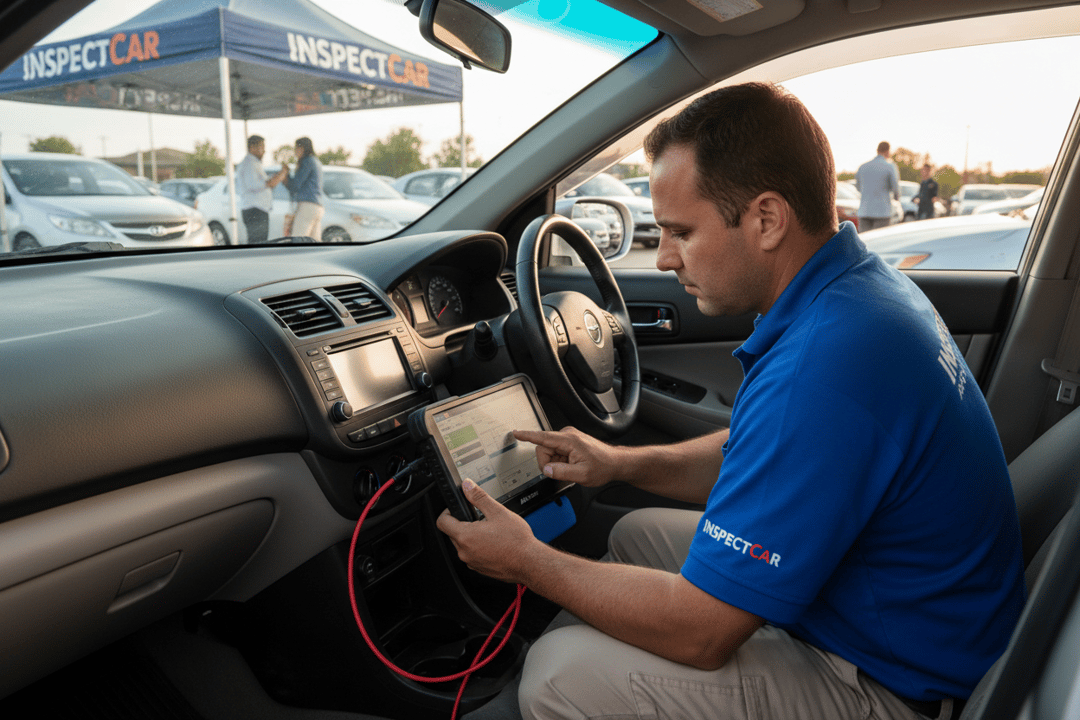
The engine is the heart of the coupe, and its condition dictates the vehicle's reliability. AutoFay utilizes an OBD scan to retrieve engine, transmission, ABS, and airbag codes. Diagnostic trouble codes reveal underlying issues that may not be immediately apparent during a visual inspection. For example, persistent codes related to engine misfires or transmission slipping indicate mechanical weakness.
The inspector also checks engine mounts. Worn mounts cause excessive vibration and affect the vehicle's alignment during a road test. If these mounts fail while driving, it can lead to loss of steering control. Insurers factor in the likelihood of sudden mechanical failure when calculating premiums. A vehicle with a clean diagnostic history demonstrates low mechanical risk, whereas a car with unresolved error codes signals potential future claims related to breakdowns or safety malfunctions.
Brakes, Suspension, and Safety Systems
Brakes and suspension systems are the primary safety mechanisms in any vehicle. During inspection, the brake pad percentage rating is recorded to determine remaining life. Worn brake pads increase the stopping distance, raising the statistical probability of an accident. A high percentage of pad wear indicates the vehicle has been driven aggressively or neglected, prompting insurers to assign higher risk weights.
- Suspension Bushings: Worn bushings allow excessive movement in the chassis, leading to uneven tire wear and poor handling.
- Tire Condition: Tires are checked for manufacturing year and tread depth. Tires past their manufacturing date degrade quickly, especially in the UAE heat. Failure to replace aging tires is a major liability.
- Fluids: Engine oil, coolant, and brake fluid levels and conditions are verified. Contaminated fluids can lead to mechanical failure.
The Road Test: Acceleration, Braking, Noise, Vibration
The final phase of any inspection involves a comprehensive road test. This test evaluates the car's performance under real-world conditions. The inspector notes acceleration response, braking efficiency, and overall road noise. A coupe with excessive noise or vibration often points to suspension or drivetrain issues. These symptoms suggest that the vehicle is not roadworthy, increasing the insurer's liability.
Smooth acceleration and braking patterns indicate a well-maintained vehicle. Documenting these findings provides a third-party verification of the car's performance, which can be instrumental in dispute resolution if an accident occurs. The road test ensures that the vehicle meets safety standards before insurance coverage is finalized.
Strategic Inspection Packages
Owners seeking to verify their vehicle's condition before purchasing insurance should utilize professional inspection services. AutoFay provides a range of on-location inspection packages across all seven Emirates. These packages offer varying levels of depth to suit different needs.
| Package | Service Description | Cost (AED) |
|---|---|---|
| Computer Diagnostic | Retrieves engine, transmission, ABS, and airbag error codes. | 99 |
| Body and Computer | Includes panel-by-panel paint analysis and computer diagnostics. | 250 |
| Comprehensive | 410+ checkpoints across 25 categories including frame, fluids, and road test. | 399 |
Engaging in these inspections helps owners identify potential red flags before signing a policy. The detailed reports generated by these inspections offer an objective view of the vehicle's health, allowing for informed negotiations with insurance providers.
AutoFay inspects 410+ checkpoints with HD photos and PDF report. Book at autofay.ae or call +971542584458.

0 Comments
No comments yet. Be the first to share your thoughts!