
The Nissan Patrol is one of the two dominant full-size SUVs in the UAE, sharing the road with the Toyota Land Cruiser in almost equal numbers. Patrols are used for everything — daily commuting, desert bashing, family transport, and long-distance highway driving. This variety of use means inspectors encounter a wide range of conditions, from well-maintained highway cruisers to heavily used desert machines.
Engine: The V8 and What to Watch
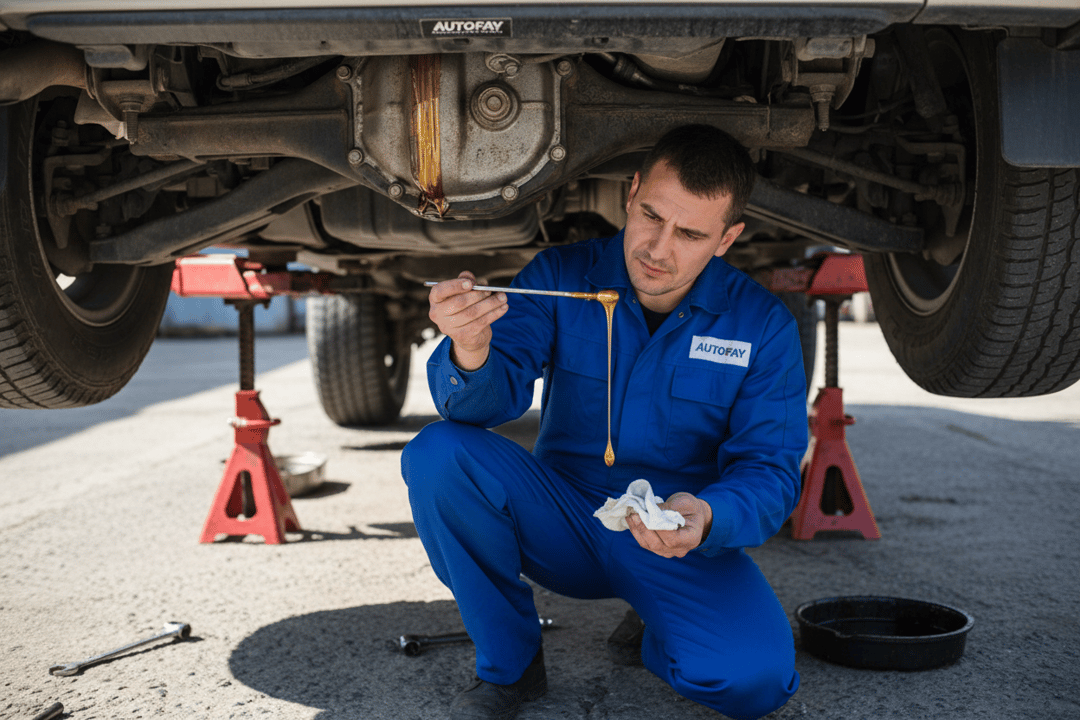
AutoFay's engine inspection rates engine start and idle quality, abnormal engine noises, engine vibration, and exhaust smoke. The Patrol's V8 engine is known for smooth power delivery, but that smoothness can mask developing issues. Engine sound is rated from No Noise through Slight Noise, Knocking, to Severe Noise. A slight ticking sound on cold start that disappears after warm-up is common on higher-mileage Patrols and relates to valve train wear. Valve cover gasket condition is checked — seeping or leaking gaskets are a frequent finding on Patrols over higher mileage.
Under the hood, the engine air filter condition matters more than usual because Patrols used for desert driving ingest fine sand particles. An air filter rated as Dirty or Needs Replacement combined with a MAF sensor rated as Dirty suggests the engine has been breathing contaminated air, which accelerates internal wear. The throttle body is checked — a dirty throttle body causes rough idle and hesitation on acceleration, both common complaints on used Patrols.
Transmission: Smooth Shifting is Not Enough
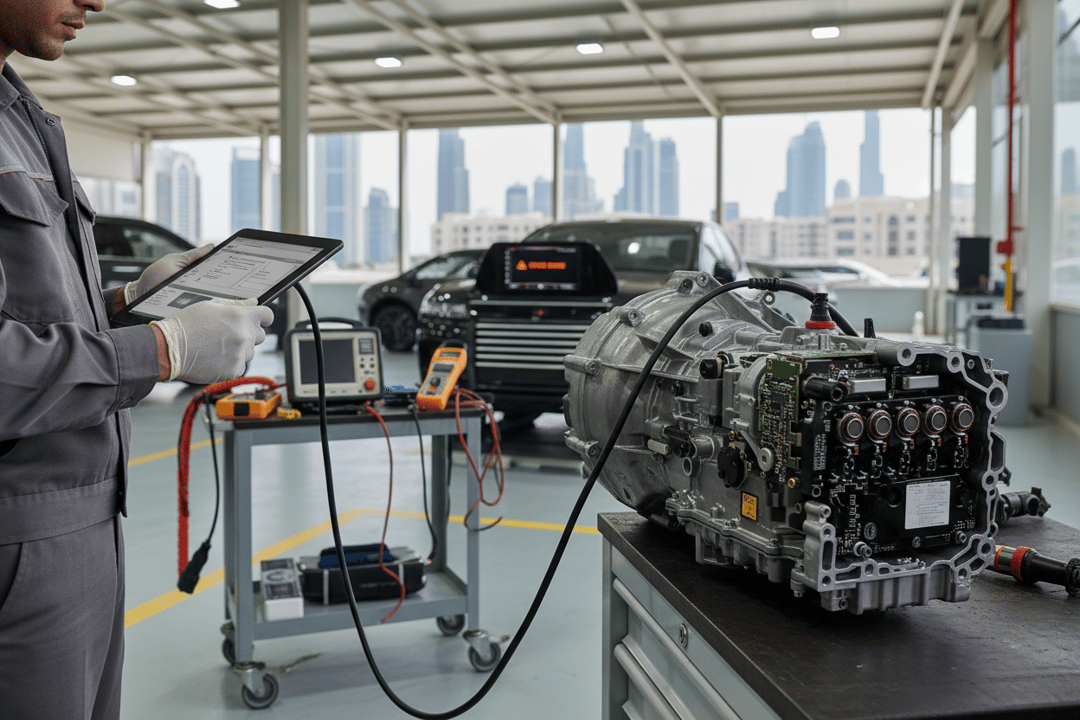
The drivetrain inspection checks transmission operation rated as Smooth, Slight Delay, Hard Shifting, or Slipping. On a Patrol, the automatic transmission is generally robust, but heat is its enemy. Transmission fluid condition is critical — rated from Good through Acceptable, Dirty, Burnt Smell, to Contaminated. A Burnt Smell rating on a Patrol's transmission fluid indicates the transmission has been overheated, often from towing or sustained high-speed driving in summer. This does not mean immediate failure but signals accelerated wear on internal clutch packs.
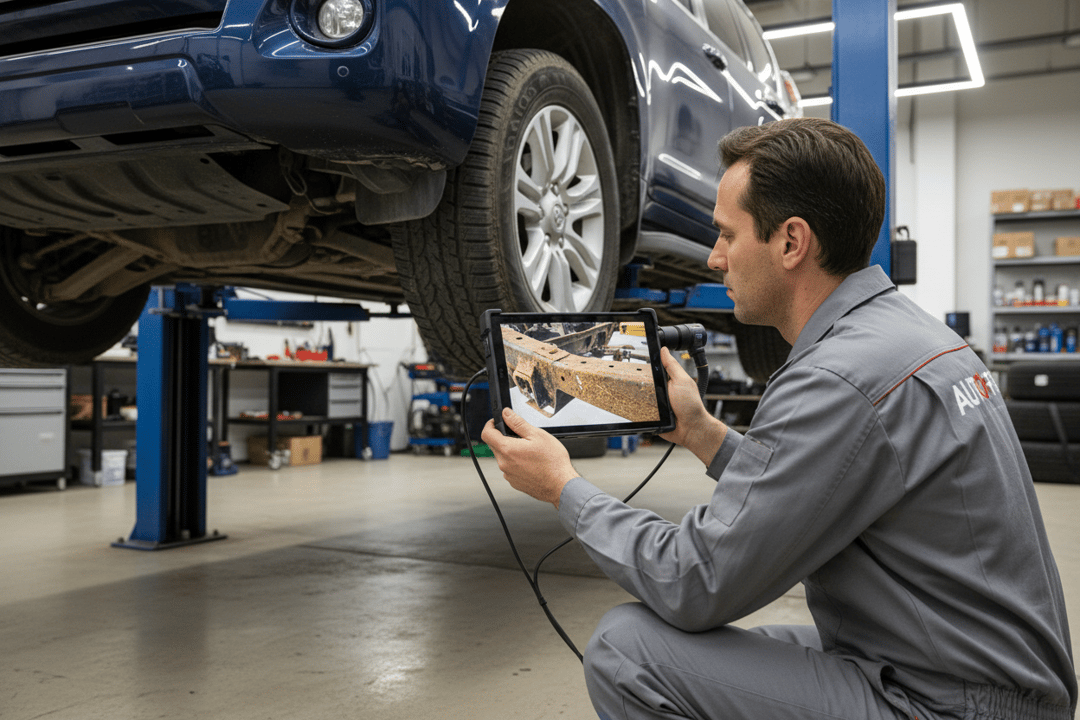
The transfer case and 4WD engagement are checked separately. Many Patrol owners use the 4WD system regularly for desert trips, which means the transfer case, front differential, and front CV components see real use. CV boots are checked for cracks and tears — torn CV boots allow sand to enter the joint, causing rapid deterioration. The driveshaft is assessed for vibration, which on a Patrol often indicates worn universal joints.
Body and Paint: Size Creates Vulnerability
The body, paint, and damage inspection checks every panel individually — front bumper, hood, both fenders, all four doors, both quarter panels, trunk lid, rear bumper, and roof. Each panel gets both a condition rating and a paint rating. On Patrols, the most common finding is parking-related damage on bumpers and fender edges — the Patrol's large dimensions make it susceptible to contact in tight parking areas. Rear bumper repaint is one of the most frequent findings.
Body panel alignment is assessed — Good, Slight Misalignment, or Major Misalignment. On a Patrol, misalignment between doors and fenders after a front-end incident is difficult to hide because the large flat panels make gaps visible. Trim pieces and roof racks are checked — loose or damaged trim is common on Patrols used for off-road driving where branches and obstacles contact the body sides.
Brakes: Heavy Vehicle, Heavy Demands
The Patrol is a heavy vehicle, and its brakes work harder than those on lighter cars. Front and rear brake pads are rated from Good over 50% through to Needs Replacement. Front brake rotors are checked for scoring and warping — warped rotors cause pulsation felt through the brake pedal. On Patrols, front brake wear is typically faster than rear due to weight transfer under braking. Brake pedal feel is rated as Firm, Soft, Spongy, or Pulsating. A spongy brake pedal suggests air in the brake lines or a weak brake master cylinder.
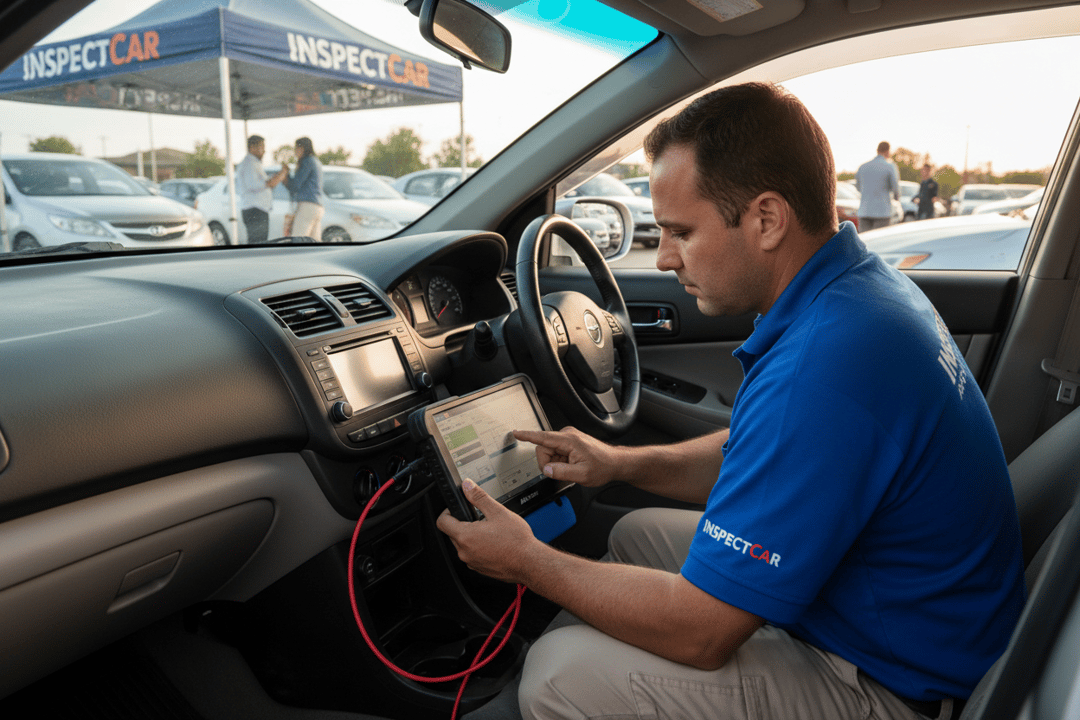
The parking brake is tested for holding — a Patrol parked on an incline with a weak parking brake will roll. The ABS system is verified as Working, Warning Light On, or Not Working. ABS fault codes are read through the OBD scanner, and stored ABS codes on a Patrol often relate to wheel speed sensor contamination from sand and debris.
Cooling and AC: Summer Survival
The HVAC inspection is non-negotiable on any Patrol in the UAE. AC compressor engagement and cooling performance are tested — a Patrol's cabin is large, and the AC system must cool a significant volume of air. A system rated as Cool rather than Very Cold in a vehicle this size means occupants in the third row will be uncomfortable in summer. Rear AC function is checked separately, as Patrols typically have independent rear climate controls that can fail independently of the front system.
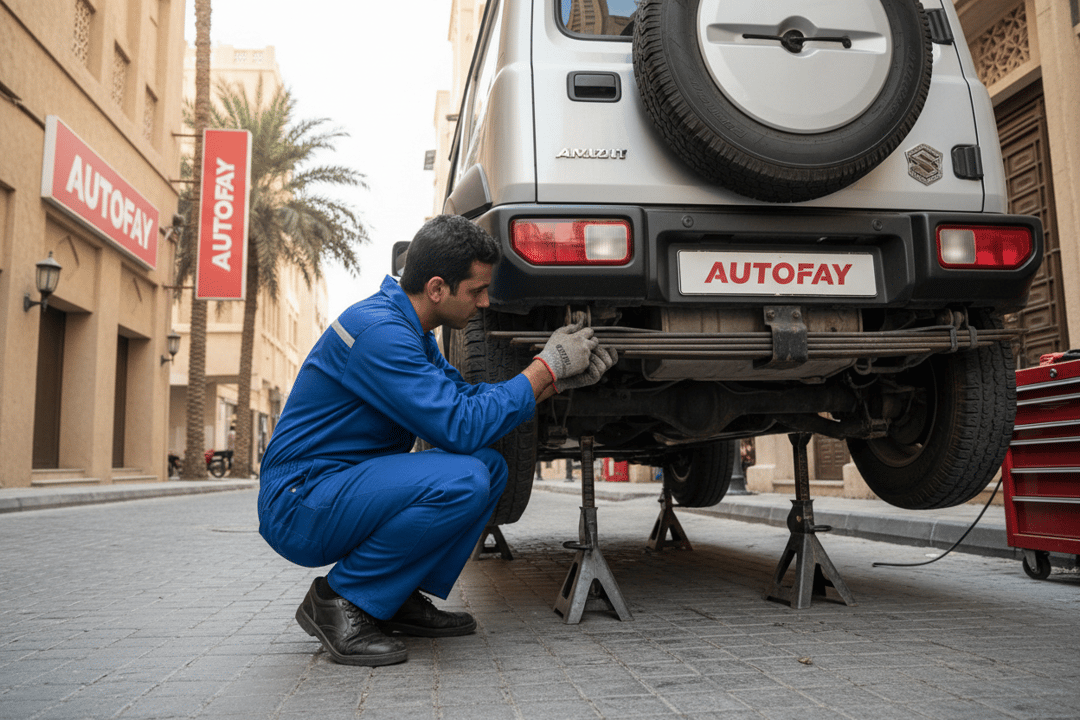
AutoFay inspects 410 checkpoints on every Nissan Patrol, with HD photos and a detailed PDF report. On-location inspection across all 7 Emirates. Book at autofay.ae or call +971-54-258-4458.
0 Comments
No comments yet. Be the first to share your thoughts!