

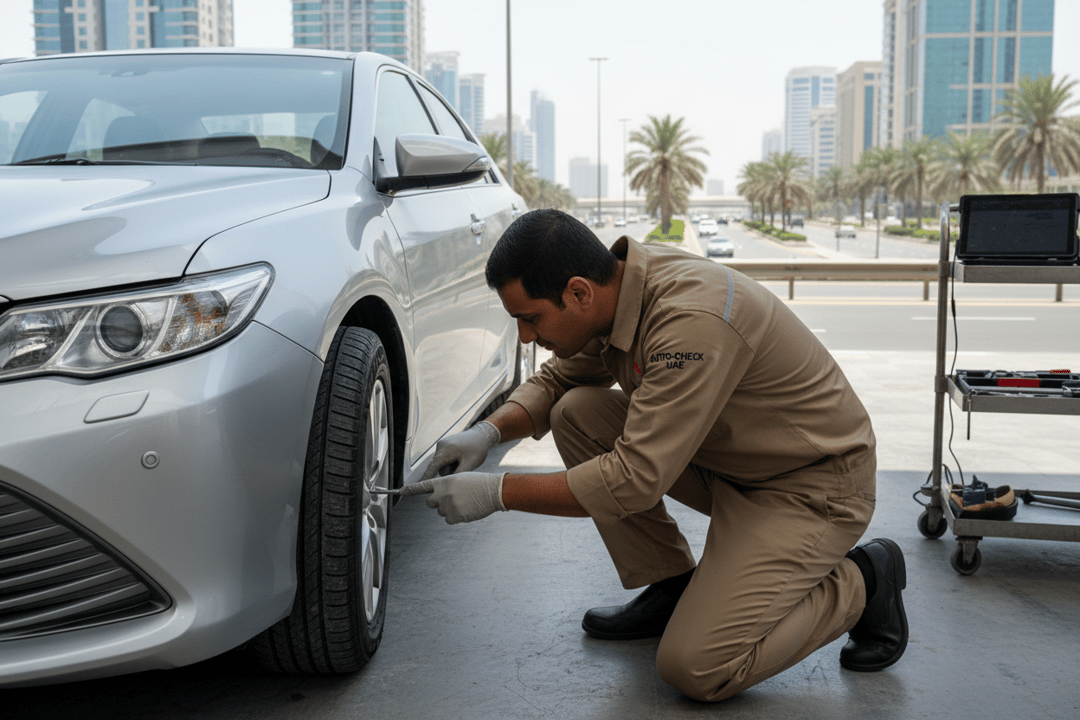
Thousands of residents commute between Abu Dhabi and Dubai daily. The roughly higher mileage journey each way means these vehicles accumulate mileage at an extraordinary rate. A two-year commuter car may show higher mileage — mileage that would take a city-only car five to seven years to accumulate. This high-mileage highway pattern creates a specific inspection profile that differs significantly from both city cars and off-road vehicles.
Engine: Sustained Operation
Highway commuter engines spend most of their operating life at steady RPM and temperature. This is actually gentler on the engine than stop-and-go city driving. AutoFay's engine inspection rates overall condition (No Visible Fault, Good, Average, or Needs Attention) and engine sound (No Noise, Slight Noise, Knocking, or Severe Noise). Well-maintained highway commuters often show surprisingly good engine condition despite high mileage. Engine vibration (Normal, Slight, or Excessive) should be Normal on a highway car that has been properly maintained.
However, the high mileage means more oil changes, more combustion cycles, and more thermal cycles on gaskets and seals. Valve cover gaskets (No Visible Fault, Seeping, or Leaking) and engine oil seals are more likely to show Seeping on a high-mileage commuter simply because of the accumulated thermal cycling. Oil drain plug condition (Good, Stripped, or Leaking) can show Stripped if oil changes were done frequently at different workshops with varying torque standards.
Transmission: Cruise Mode Stress
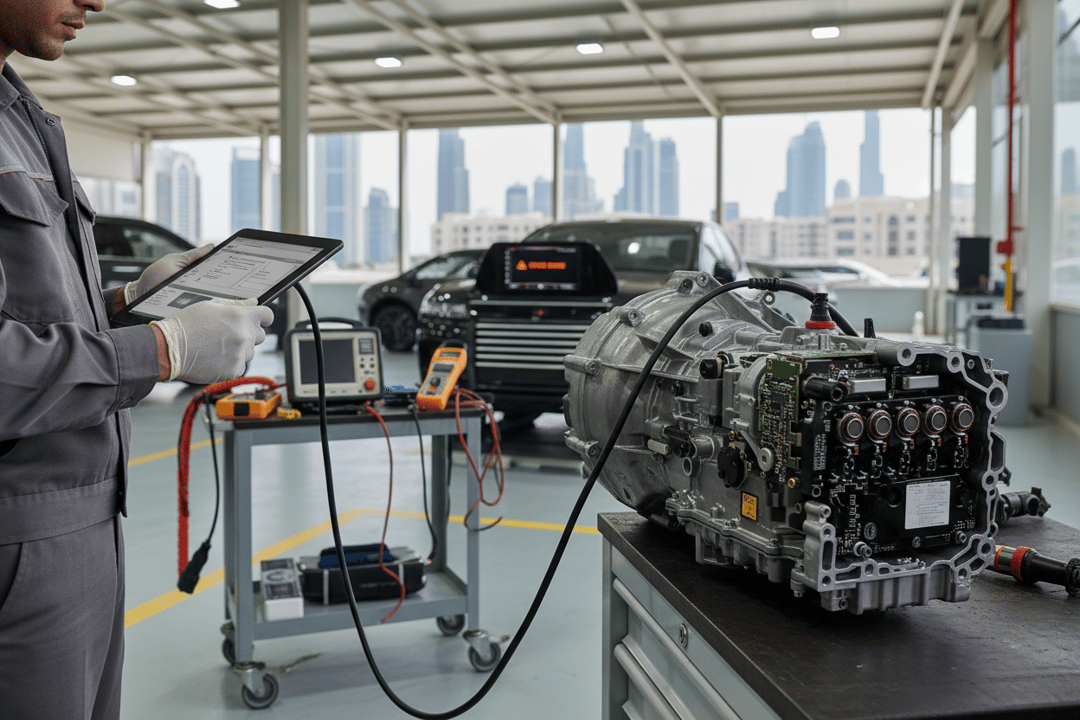
Highway commuter transmissions spend extended periods in top gear with the torque converter locked up. This is efficient but puts continuous load on the torque converter lockup clutch. Transmission operation (Smooth, Slight Delay, Hard Shifting, or Slipping) should still be Smooth on a well-maintained commuter, but transmission fluid condition (Good through Contaminated) is critical to check because high-mileage operation degrades fluid faster. Burnt-smelling transmission fluid on a highway commuter indicates the fluid was not changed at appropriate intervals despite the high mileage.
The driveshaft (Good, Vibration, or Damaged) endures continuous rotation at highway speed, and the center bearing on two-piece driveshafts can wear from the sustained load. Rear differential (Good, Noisy, or Leaking) should be checked carefully — differential fluid on a car that has covered higher mileage of highway driving needs attention even if the vehicle's service book does not specifically call for it at that interval.
Tires and Alignment: Highway Patterns
Highway commuters wear tires more evenly than city cars but go through them faster in terms of calendar time. Tire wear pattern (Even, Inner Wear, Outer Wear, Center Wear, or Cupping) on a highway commuter should be Even if the alignment is correct. Inner Wear or Outer Wear indicates alignment issues, possibly from the cumulative effect of highway road camber or a minor impact that went unaddressed.
Wheel alignment (Good, Slight Pull, or Needs Alignment) is particularly important on commuter cars because even a slight misalignment creates a pulling sensation over long highway distances that the driver adapts to and may not notice. Tire manufacturing year matters because highway commuters may go through multiple sets of tires in a few years. Check that all four tires match and are a recent production date — mismatched tires or old tires on a high-mileage car suggest inconsistent maintenance.
Windshield and Front-End Exposure
The Sheikh Zayed Road and the Abu Dhabi-Dubai highway carry heavy truck traffic, which throws stones and debris at following vehicles. Windshield condition (No Visible Fault, Chipped, Cracked, Needs Replacement, Aftermarket, or Replaced) on commuter cars commonly shows Chipped — multiple small stone chips across the windshield from hundreds of kilometers driven behind trucks. Headlight lens condition (Clear, Hazy, Yellowed, or Cracked) may show Hazy or Yellowed from the sustained UV exposure and sand abrasion at highway speed.
Front bumper condition frequently shows paint chips rated Moderate to Severe from stone impacts. Hood paint chips follow the same pattern. These are normal highway wear items and not indicators of accidents, but they represent cost for the buyer who wants to restore the front end to showroom condition.
Brakes: Less Frequent But Higher Speed
Highway commuters use brakes less frequently than city cars, but each braking event is at higher speed, generating more heat per event. Brake pad wear may be moderate despite high mileage, but brake rotor condition is important — rotors on highway cars can show Warped from occasional hard braking at highway speeds after sustained cruising. Brake fluid (Clear, Dark, or Contaminated) should be checked because brake fluid absorbs moisture over time regardless of use, and contaminated fluid reduces braking effectiveness at high speed.
ABS system (Working, Warning Light On, or Not Working) function is critical on highway commuter vehicles because emergency braking situations occur at much higher speeds than in city driving. All electronic braking aids — stability control, brake assist, and traction control — should show Working status.
AutoFay inspects 410 checkpoints revealing the complete condition of any driving profile, with HD photos and a detailed PDF report. On-location inspection across all 7 Emirates. Book at autofay.ae or call +971-54-258-4458.


0 Comments
No comments yet. Be the first to share your thoughts!