

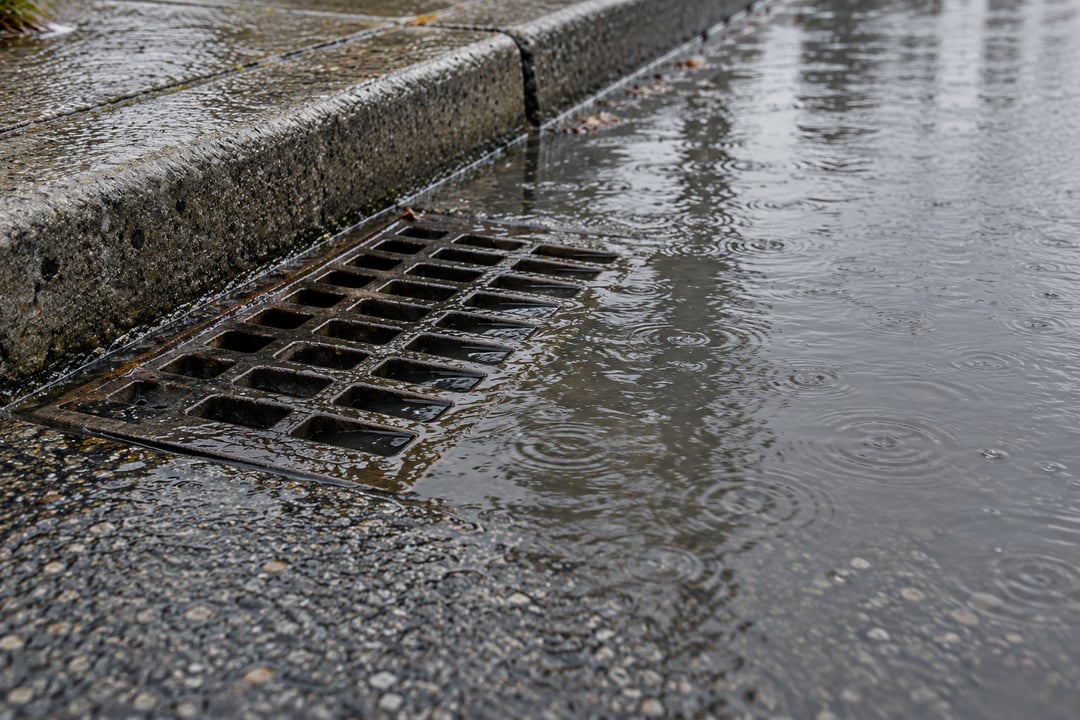
A 2010 Toyota Corolla's suitability for the rainy season depends on the particular car's condition, rather than its reputation or a seller's promise that it is ready for every weather condition. You need clear visibility, working equipment used according to the correct manual, and a decision about when to postpone or change route. Rain-wet pavement and a road covered by water of uncertain extent are different situations; preparing the car does not make entering floodwater safe.
Start with this Corolla's history and actual equipment
Match the year, market and version to the vehicle documents and request the corresponding owner's manual. Do not transfer equipment from an American-market example or an advertisement to a different Gulf-market or imported car. A button or symbol does not prove that a system works, and availability on some cars does not establish that it is fitted here.
For an older used car, ask specifically about replacement glass, door-seal repairs, previous water entry and associated work. Request invoices, dates and pre-repair photographs where available with the owner's permission. These details guide assessment; they do not establish that every 2010 Corolla has leaks or corrosion.
Check visibility before rain makes it essential
With the car safely parked, identify its actual wiper, washer, demisting and lighting controls. Check operation using the appropriate instructions for that car, including whether the wipers clear wet glass without leaving areas that obstruct the view. If visibility remains smeared or you cannot clear mist, resolve the cause before the journey rather than discovering it in rain.
Review the glass, mirrors and lighting, and arrange an assessment of tyre and brake condition where needed. Tyre pressure and other requirements should come from the vehicle label and manual, not a universal Corolla figure. Do not request abrupt braking or a wet-road grip demonstration to prove safety; a limited observation cannot establish performance in every condition.
Plan an alternative route, not a way through water
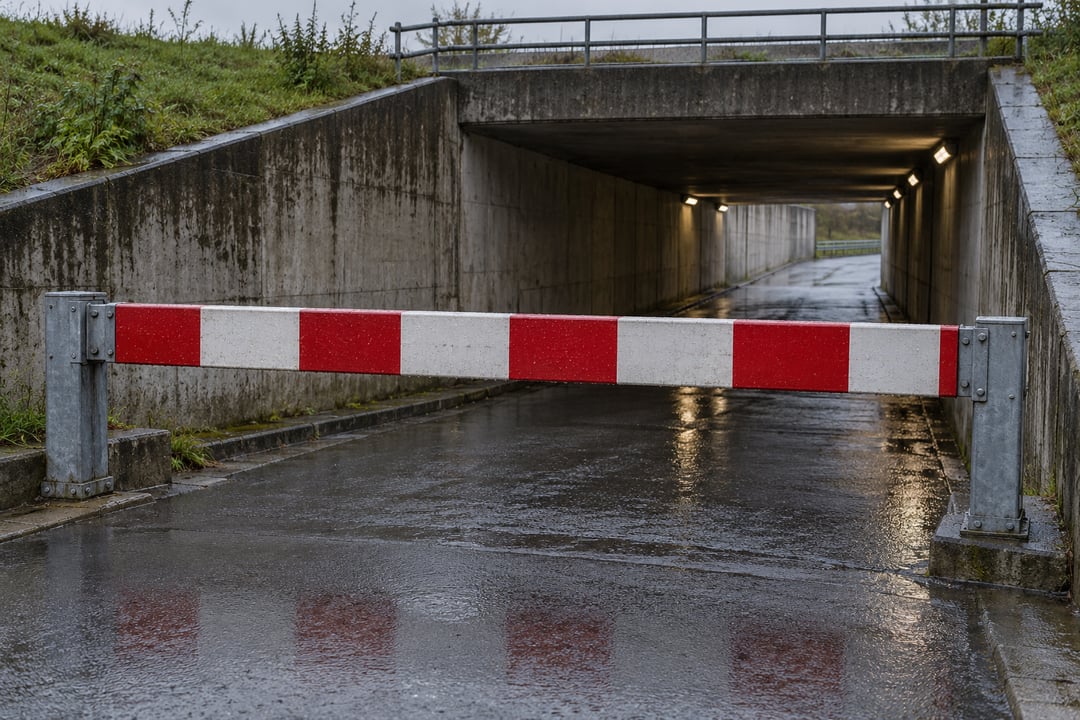
Before departure, check official alerts and available road information, and decide when to postpone the appointment or take another route. An arrival deadline is not a reason to pass a barrier or follow another vehicle into pooled water. The US National Weather Service's official flood-safety guidance warns against driving or walking into floodwaters and driving around barriers. Water may conceal damage to the road.
This is general decision guidance, not a numerical safe-depth threshold or a description of a local road. Calm-looking water, a drainage grate or another vehicle getting through does not establish a safe route. When the route is unsafe, postponement or a different road is part of rain preparation, regardless of the Corolla's condition.
Assess water-related observations with evidence and cost the work
When buying, record stains, dampness, odours and visible corrosion as observations that warrant questions and assessment. Do not turn one smell or photograph into a diagnosis of flood damage, or treat the absence of an odour as proof that water has never affected the car. Connect observations with repair history and documents, and seek suitable workshop diagnosis when the cause or extent requires deeper examination.
Compare the purchase price with written quotations for the work required and the time the car will be unavailable, rather than adding imagined costs for supposed model faults. Unresolved water-entry history may justify delaying a decision instead of relying on a discount alone.
Through AutoFay's inspection services, an experienced inspector comes to the vehicle. The inspection is visual, non-intrusive and non-mechanical, with computer and functional checks according to the package and available conditions. It does not include dismantling or examination of internal engine and transmission components, and cannot guarantee detection of every fault or suitability for every rainy road. Some observations require workshop diagnosis before purchase.
Prepared by AutoFay. Editorial update: October 28, 2026.
0 Comments
No comments yet. Be the first to share your thoughts!