

Assessing a 2026 Lexus LX 700h for a long journey starts with the particular vehicle, passengers, luggage and route. Comfort on a short drive or brand reputation cannot establish readiness for hours on the road. Separate the buying assessment from maintenance and preparation before departure.
Start with the version and records
Lexus' official 2026 information describes the LX 700h with a twin-turbo V6 hybrid system. The earlier article's V8 description and diesel-price fuel calculation were inappropriate. This is a US-market reference; use the actual manual and relevant dealer information for fuel, equipment and version-specific values.
Match the VIN to the documents and collect maintenance, repair records and invoices. Establish due work using the correct manual and provider rather than a generic replacement interval from an article. For a used example, ask about previous warnings or concerns and how they were addressed.
Assess comfort with the intended passengers and bags
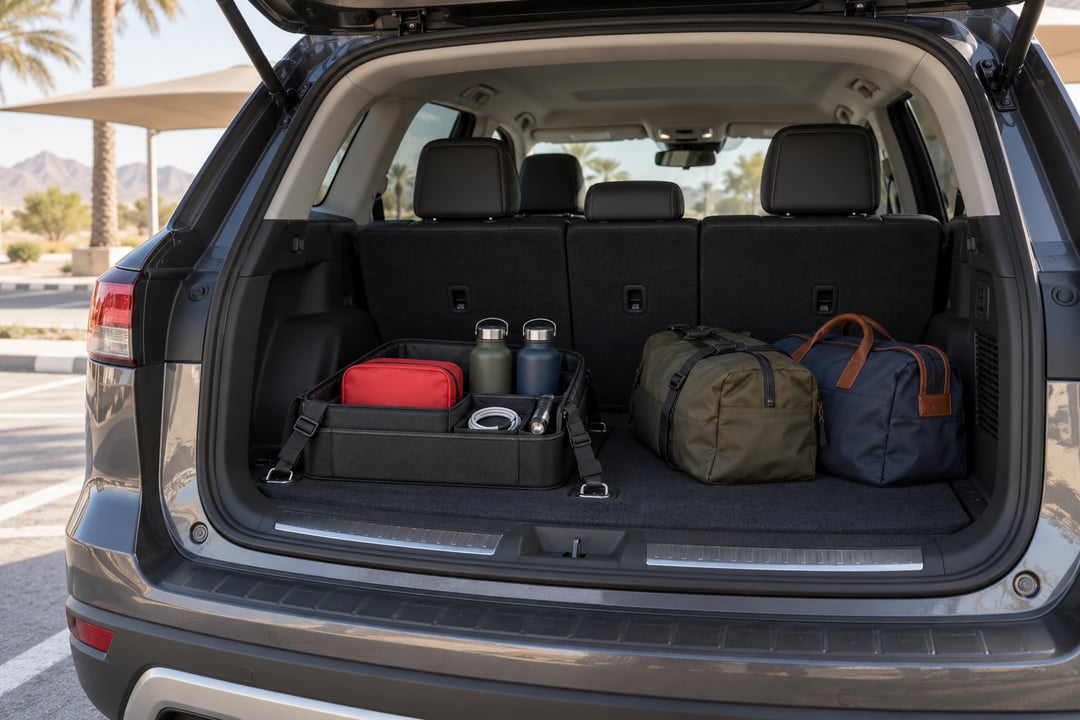
Set the driving position and mirrors, then try the seats your family will actually use. Consider legroom, belt access and fitted air outlets. Load your trip luggage while retaining the seats needed and check load limits and luggage restraint arrangements in the actual manual.
With permission on a safe, permitted route, observe comfort, visibility, AC, stopping and gentle response. Record concerns and circumstances without aggressive testing or diagnosing an internal fault from a noise alone. Resolve a significant observation before committing to the purchase or journey.
Arrange preparation before departure day
NHTSA's summer travel guidance recommends tire, cooling, AC and lighting checks. Use the car's placard or manual for tire pressure rather than the tire's maximum sidewall figure. This is general guidance, not Gulf-specification LX servicing data.
Arrange necessary servicing or diagnosis with a workshop. Do not open a hot cooling system. Postpone travel for a warning requiring a stop under the manual, tire damage or abnormal braking or steering. Addressing the cause matters more than clearing a code or postponing the concern until after the journey.
Plan the route and stops without assuming range
Plan appropriate roads, fuel stops and breaks, and check weather and road conditions before departure. Prepare a phone, charger, water and suitable supplies, and secure luggage. Do not rely on one range reading or another market's economy figure to decide you can travel without refuelling.
Estimate your trip budget from distance, substantiated consumption, current fuel prices and actual expenses. Neither hybrid operation nor AC use adds one fixed amount in every situation. Do not assume battery or transmission replacement at a particular mileage.
Understand the pre-purchase inspection's limits
An experienced inspector comes to the vehicle for a visual, non-intrusive, non-mechanical inspection, with computer diagnostics and functional observations according to package and conditions. Paint and visible underbody areas may be assessed where safe access is available within the package scope.
The inspection does not dismantle components or examine internal engine, transmission or hybrid-battery parts, and is not a remaining-battery-capacity test. Some observations require workshop diagnosis. A report cannot guarantee discovery of every fault or future trouble-free travel. Use it to understand the buying condition, then arrange servicing and trip preparation appropriate to the vehicle.
Prepared by AutoFay. Editorial update: October 28, 2026.



0 Comments
No comments yet. Be the first to share your thoughts!