

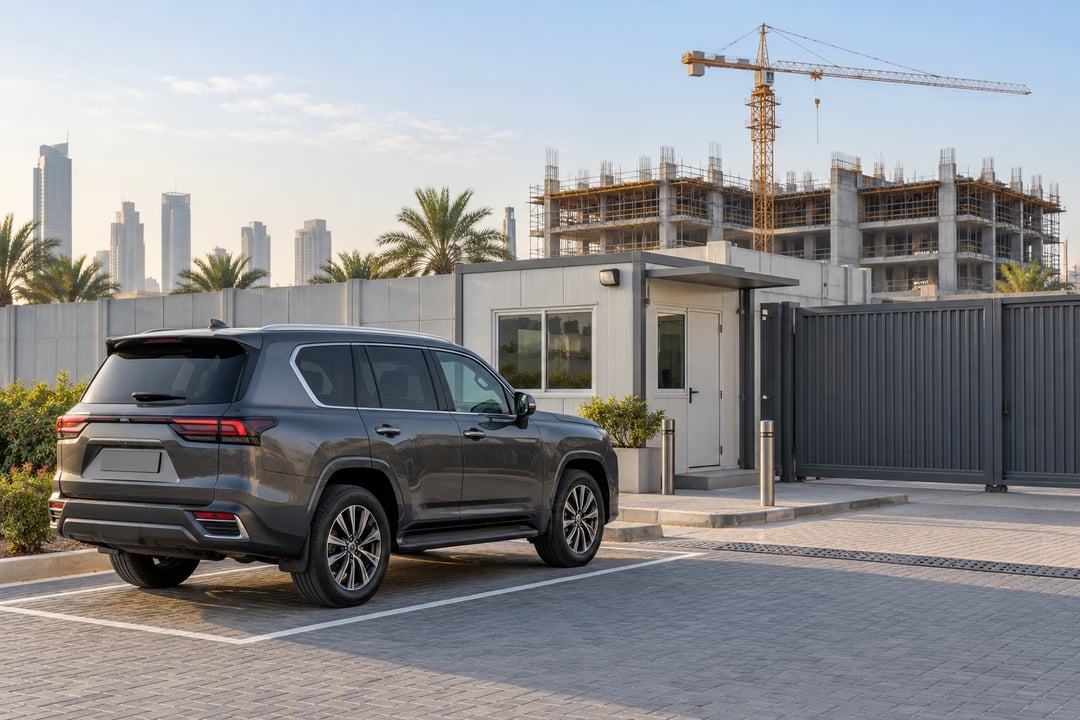
Does a 2026 Lexus LX 700h suit construction-site visits? Define the task first: taking a project manager to the gate differs from carrying heavy equipment or entering unfinished ground. SUV equipment does not establish suitability for every job or route. This is a buying and use assessment guide, not a site test we conducted.
Identify the vehicle correctly before comparing it
Lexus' official 2026 information describes the LX 700h with a twin-turbo V6 hybrid system, not the V8 stated in an earlier version of this article. It is a US-market reference, so performance, load figures and grade details are not assumed to apply to a UAE car without its actual documentation.
Confirm the VIN, grade and supplying market and obtain the owner's manual and equipment documents. Check seating and remaining luggage space with passengers in place. Do not assume identical arrangements across grades or that work equipment will fit because the exterior looks large.
Start with the task and permitted access
Establish the permitted access route and parking location with the site representative and consider whether the task needs a passenger vehicle at all. Distinguish reaching a reception area from moving within an active work zone. A buying inspection neither establishes a construction route's safety nor grants access permission.
Do not enter uncertain ground, edges or obstacles to test the car's capability. Arrange the visit and route assessment with the responsible party. Drive-system features or apparent clearance cannot establish route safety or load suitability.
Do not guess the roof-load limit
List passengers, luggage and tools, then check the applicable vehicle and equipment limits in its actual manual and labels. The roof, rack and fitted accessory have their own conditions; no generic roof-load figure is established here. Obtain appropriate confirmation for the version and carrier before planning roof loading.
Assess whether items can be restrained without obstructing belts, visibility or exits. If equipment or materials cannot be secured within the vehicle's limits, use suitable transport rather than loading on assumptions about the vehicle's strength.
Understand prior use when buying a used example
Request maintenance, repair, use and modification records. Observe accessible impact marks, scratches and visible underbody areas where safe access is available. Appearance alone does not establish use severity. A fluid mark or warning needs explanation rather than a seller accusation or an assumed diagnosis.
For the hybrid system, ask what any specialist report covers and when it was produced. A diagnostic scan is not an internal battery examination or proof of remaining capacity. Do not assume a cooling-fan or battery failure at a fixed mileage or price a repair before diagnosis.
Use AutoFay findings within their limits
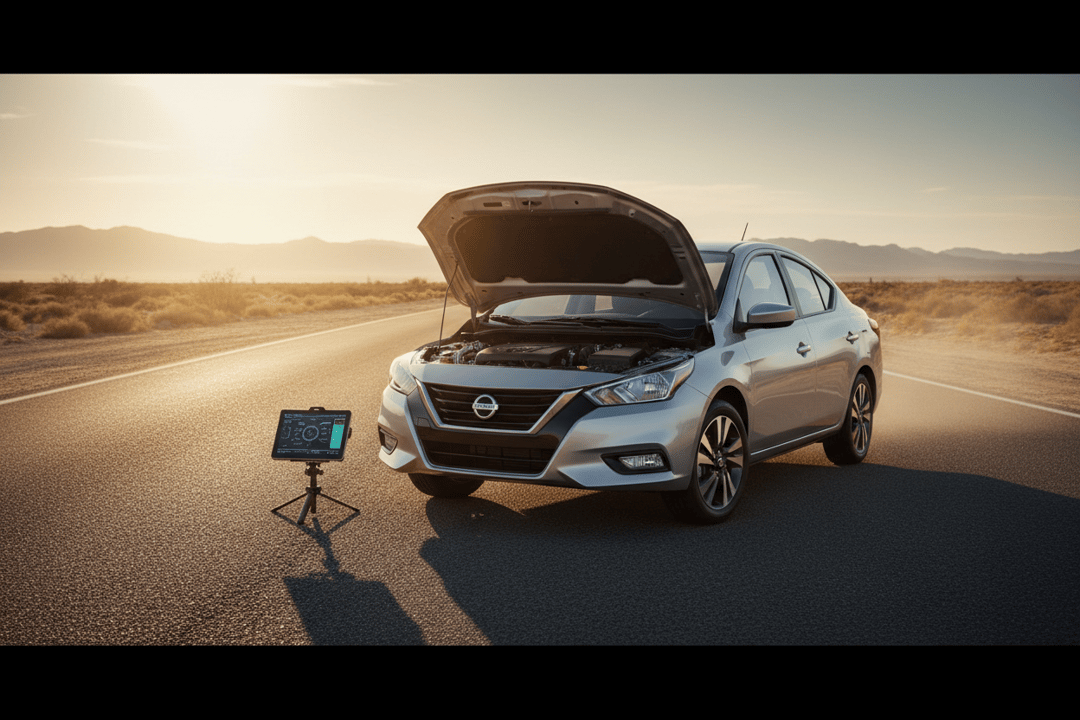
An experienced inspector comes to the vehicle for a visual, non-intrusive, non-mechanical inspection, with computer diagnostics and functional observations according to package and conditions. Paint and visible underbody areas may be assessed within the package scope where safe access is available; review the service scope.
The inspection does not dismantle components or examine internal engine, transmission or hybrid-battery parts. It does not load-test the vehicle or approve it for construction-site work. Some findings require workshop diagnosis. A report cannot guarantee discovery of every fault or prevent future failures. Use it to understand condition, while assessing the task separately against the car's limits and site instructions.
Prepared by AutoFay. Editorial update: October 28, 2026.

0 Comments
No comments yet. Be the first to share your thoughts!