

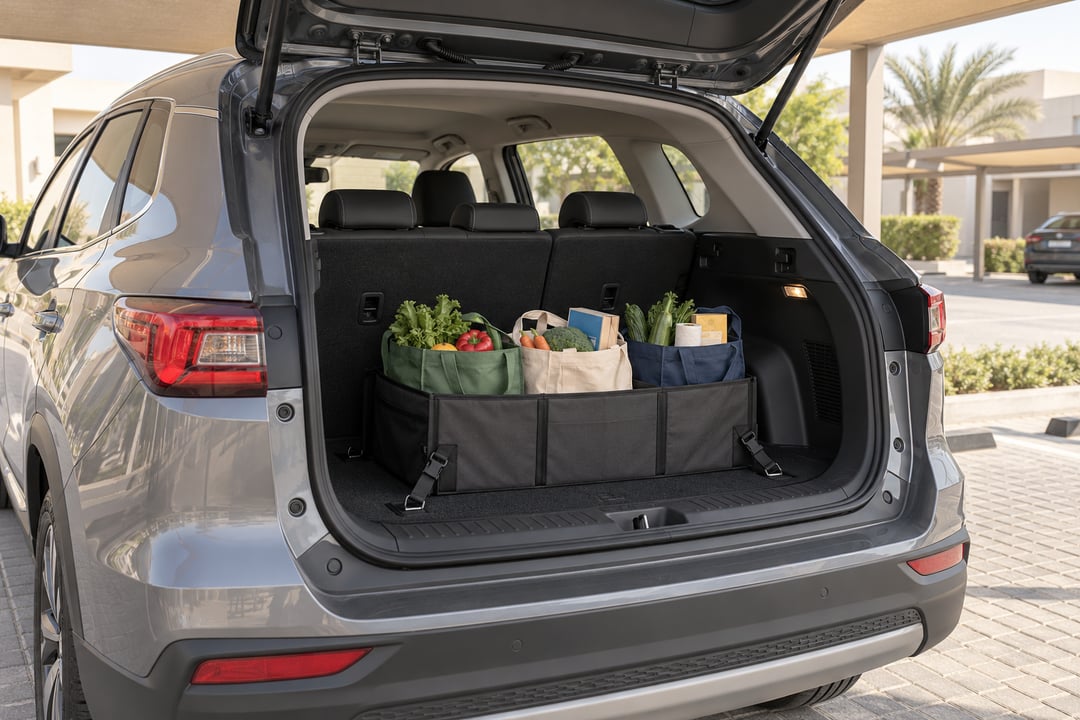
Before buying a 2023 JAC JS4 for grocery trips, try the job you expect it to do: loading bags, opening the boot in your parking space and carrying the family with your normal shopping. Exterior size alone cannot answer these questions. This is a practical used-car assessment guide, not a customer's inspection report or a firsthand road test.
Test loading with your own everyday items
With permission, bring empty shopping bags or a box resembling your usual load. Assess the loading lip and how comfortably you can reach items at the back. Check that the boot closes without pressing on the load and opens fully in conditions resembling your home parking space. Do not rely on a published capacity for a different version or market.
The official JAC JS4 page presents folding rear seats and warns that specifications may vary or change. Check the actual car's mechanism and manual. Do not assume every 2023 car has a particular seat split or powered convenience feature. An archived UAE manual for this model year has not been established here.
Assess passengers and shopping together
Set the front seat to your normal driving position, then assess room behind it before folding any seat. If you need a child seat, confirm installation compatibility using the car and seat instructions. Luggage must not obstruct belts, child-seat attachments or the driver's visibility.
Check load limits and luggage anchoring arrangements in the actual version's manual. Use a suitable restraint and avoid loose items that can move under braking. If carrying your shopping requires folding seats your family needs, that is a meaningful limitation even when the boot closes.
Include parking access and cabin comfort
Try door opening and boot access in a safe, permitted parking location. Set the mirrors and assess visibility. Observe any fitted cameras and sensors without deliberately approaching a person or obstacle to trigger them. An advert photo or interior screen does not establish the vehicle's equipment.
Observe air-conditioning response and airflow in an open, ventilated place and record the test conditions. NHTSA's summer driving guidance highlights checking AC performance and never leaving children alone in a vehicle. This is general safety guidance, not evidence of a JS4 defect or its Gulf-market specification.
Distinguish an observation from a diagnosis
Review maintenance and repair invoices and match the VIN to the documents. Record any noise, vibration, delayed response or warning message during a permitted, safe drive. These observations do not automatically diagnose a turbocharger, valve-timing or transmission fault. Seek diagnosis of an unexplained concern and a written repair quotation before accounting for it in the purchase decision.
The model name alone cannot establish a reliable monthly fuel bill or depreciation percentage. Estimate your actual use and include costs you can substantiate, rather than assumed repairs unrelated to the car's condition.
What AutoFay contributes before purchase
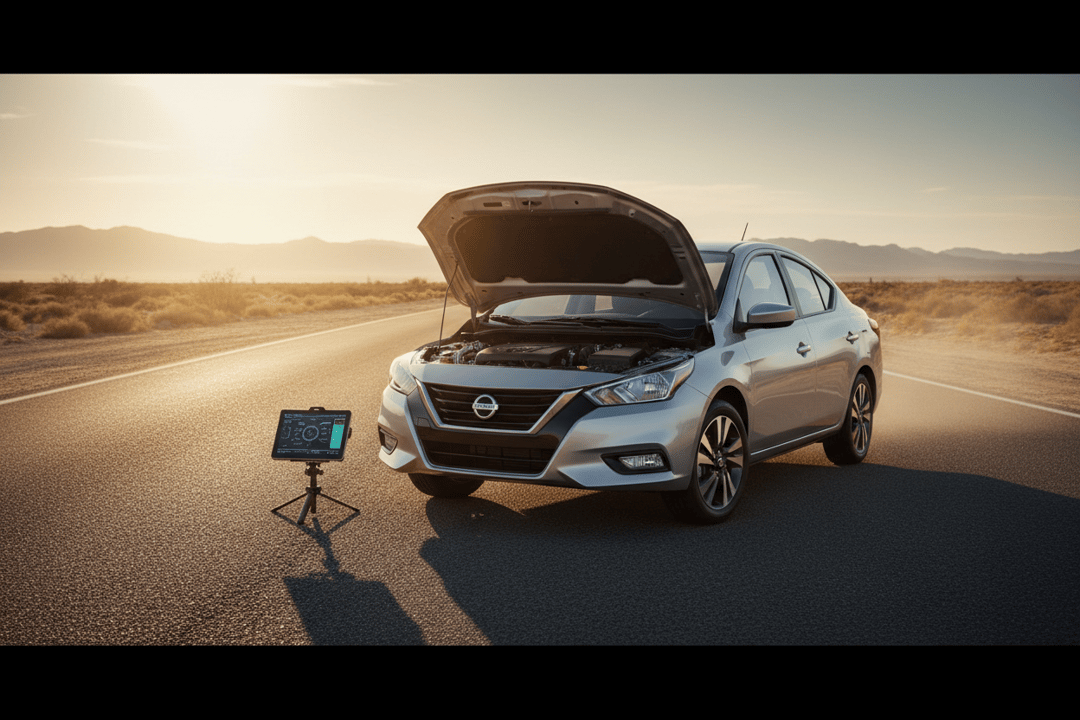
An experienced inspector comes to the vehicle. The inspection is visual, non-intrusive and non-mechanical, with computer diagnostics and functional observations according to the package and available conditions. Paint and visible underbody areas may be assessed within the package scope where safe access is available. Review the packages and scope before booking.
The inspection does not dismantle components or examine internal engine or transmission parts. It cannot guarantee discovery of every fault or prevent future failures. The report helps explain the observed condition and identify concerns requiring workshop diagnosis. Combine that information with your loading and parking assessment to decide whether the particular vehicle suits your daily routine.
Prepared by AutoFay. Editorial update: October 28, 2026.

0 Comments
No comments yet. Be the first to share your thoughts!