

A used Hyundai Elantra 2021 may be worth considering for delivery work when its actual load space, repeated-access workflow and condition match the job. A low advertised price or a fuel-consumption figure cannot establish that fit. Assess the specific car against a realistic delivery shift before making a buying decision.
Describe the workload before comparing cars
Record the usual parcel sizes and weights, the load at the start of a route, delivery stops, waiting periods and distance travelled. Note whether the work is mainly short legs in traffic or includes longer uninterrupted driving. Include time spent entering and leaving the car and finding a suitable place to unload. Distance alone does not describe the whole working day.
Confirm the candidate's model year, market specification, engine, transmission and trim from its documents. Do not assume that equipment or maintenance requirements from another Elantra version apply to the car offered for sale.
Rehearse repeated access with representative parcels
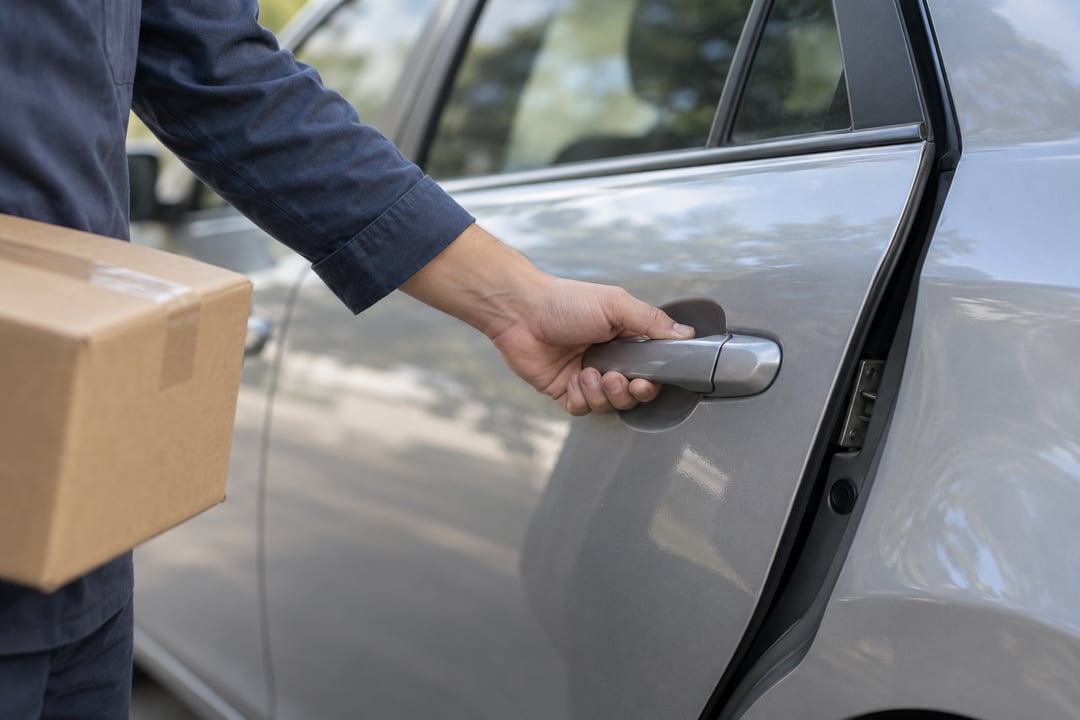
With the car safely parked, try the exterior handles, locks, door opening and luggage-compartment access you would use during a shift. Check whether a representative parcel can pass through the intended opening without forcing it, and whether the door can close normally. Allow room for the person handling it, rather than considering only the box dimensions.
Observe sticking handles, inconsistent locking, damaged seals or an opening that requires an awkward reach. Record the finding and have its cause assessed where needed; it does not establish a model-wide defect. Reserve any seat needed by a passenger, including clear access to its restraint, rather than counting it as spare parcel space.
The UK HSE's handling guidance recommends planning the task, removing obstructions and using suitable aids or help where needed. Apply those practical principles to the actual access trial. If retrieving each parcel demands deep reaching or awkward twisting, reconsider the arrangement or vehicle instead of relying on technique alone.
Check usable loading, not just whether the boxes fit
Use the particular car's applicable load information and owner's manual. Include people, equipment and parcels in the planned load, and clarify the correct limits with Hyundai if the information is missing. Use the actual vehicle's limits rather than assuming one payload or cargo-volume figure applies to every Elantra 2021.
Plan how each parcel will be secured and retrieved as the load reduces through the route. Keep the driver's view, seat belts, controls and access clear. A parcel resting loosely on a seat is not a load-security plan. If the work requires special temperature control or another cargo condition, verify that separately; passenger air conditioning alone does not establish that the goods' requirements are met.
Agree maintenance around the real shift
Tell the service provider about the actual short journeys, traffic, waiting and dusty conditions involved. Hyundai Canada's ownership guidance says driving conditions matter when determining a maintenance schedule and directs owners to the manual or dealer. Use the manual and advice applicable to your car's year, engine and market; do not transfer Canadian intervals to a different version.
Before buying, establish what servicing is already due and what remains unresolved. Obtain written scope, cost and booking information for necessary work. Schedule availability and time out of service belong in the purchase assessment alongside the work itself.
Budget for availability without promising income
Build the operating budget from the purchase or finance commitment, insurance appropriate to the intended use, fuel, route-related parking and tolls, scheduled servicing, tyres and other wear items. Add a reasonable contingency and the quoted cost of any diagnosed work. Consider what you would do if the car is unavailable for a shift.
Use actual fuel receipts, distance records and unavailable days from comparable work where they exist. If they do not, label the estimates and review them after a controlled trial. Do not turn a brochure consumption figure into guaranteed monthly costs, earnings or a fixed payback period.
Use the individual car's history and observations
Ask for dated maintenance and repair records, compare their odometer readings and clarify previous use. Look at the condition of the access points, seats and cargo areas you expect to use repeatedly. A clean presentation does not establish maintenance history, and missing records alone do not prove neglect.
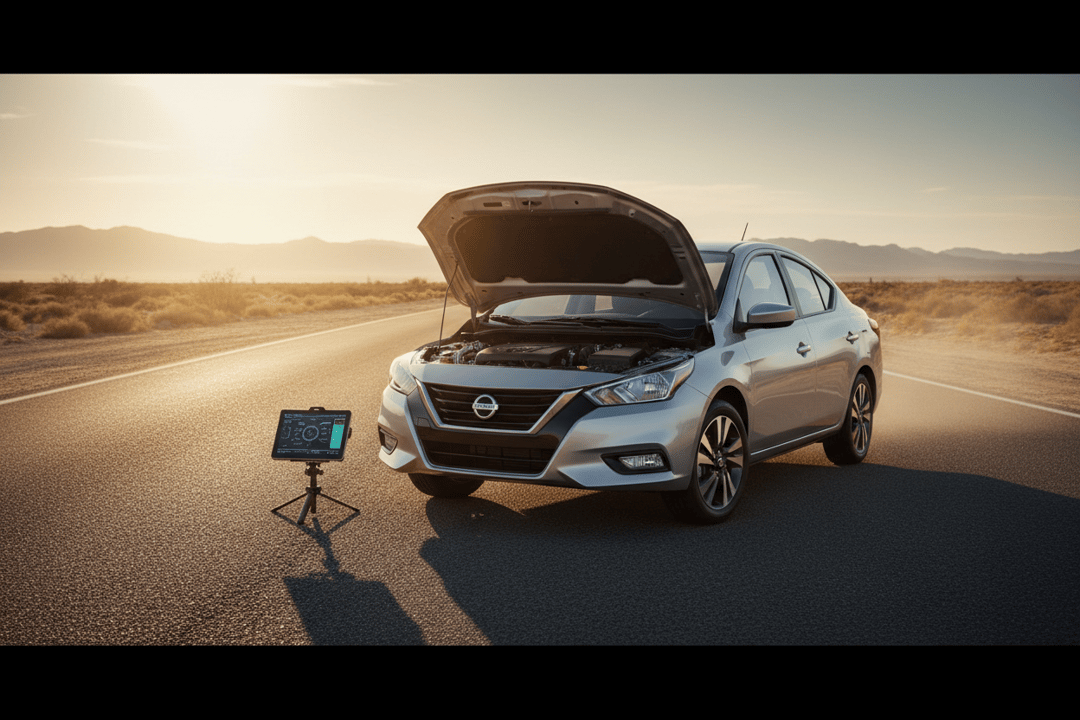
An experienced AutoFay inspector comes to the vehicle. Inspection is visual, non-intrusive and non-mechanical, with computer diagnostics and functional observations according to the selected package and conditions. It does not dismantle parts or examine internal engine or transmission components. It cannot guarantee discovery of every fault or future reliability; observations needing mechanical diagnosis should go to a workshop.
Combine the history, inspection observations and delivery-access trial before committing to the car. You can review the available AutoFay inspection services for the vehicle you are considering.
Prepared by AutoFay. Editorial update: October 28, 2026.

0 Comments
No comments yet. Be the first to share your thoughts!