

Before travelling to view a used sedan for your commute, ask for the basic answers and supporting records in writing. Whether your shortlist includes a Hyundai Elantra, Lexus ES, Nissan Sunny, Toyota Camry or Toyota Corolla, prepare a separate record for each actual car. This helps you identify unanswered questions before spending time on a viewing.
Confirm availability and the exact version
Ask: “Is this specific car still available, and what are its model year, market specification, trim, engine and transmission?” Request current photographs and a dated odometer reading. Plan to match the details with the car and documents at the viewing; a model name or an advert's equipment list is not enough to confirm the version.
Share necessary identification details privately and ask for unrelated personal information to be redacted from record copies. If the seller's answers describe a different car from the photographs or advert, clarify that before arranging the visit.
Request dated service and repair evidence
Ask which maintenance invoices and repair records are available, what dates and odometer readings they show, and which work remains due. Request details of previous use and any known accident repairs. If a vehicle-history report is available, ask what period and market it covers and keep unanswered points visible.
Read the records as a sequence rather than collecting a folder without reviewing it. An unexplained gap needs a question; it does not by itself prove neglect or tampering. Keep each car's evidence together so a service invoice for one candidate is not accidentally attributed to another.
Ask about present symptoms and proposed repairs
Ask: “Are there warning messages, intermittent problems, damaged functions or work you plan to complete before sale?” Request the relevant diagnosis, invoice or written quote where one exists. Ask what was observed, when it happens and what work has actually been done.
A claim that a warning “only needs a sensor” or “just needs an update” should be supported before you treat its cause or cost as established. You do not need to accept an assumed diagnosis or invent one yourself. Add the unresolved observation to the viewing brief.
Get the full proposed price and included items
The U.S. FTC's used-car buying guide recommends asking dealers for a written total price before visiting. Ask your seller to identify included fees, optional additions and any agreed work, rather than comparing headline prices with different inclusions.
Request the proposed sale terms and any warranty or service-contract wording before relying on a verbal description. Clarify who is offering it, what is covered and what is excluded. These are questions about the specific offer, not an assumption that a particular legal entitlement or warranty applies.
Agree the viewing conditions and demonstrations
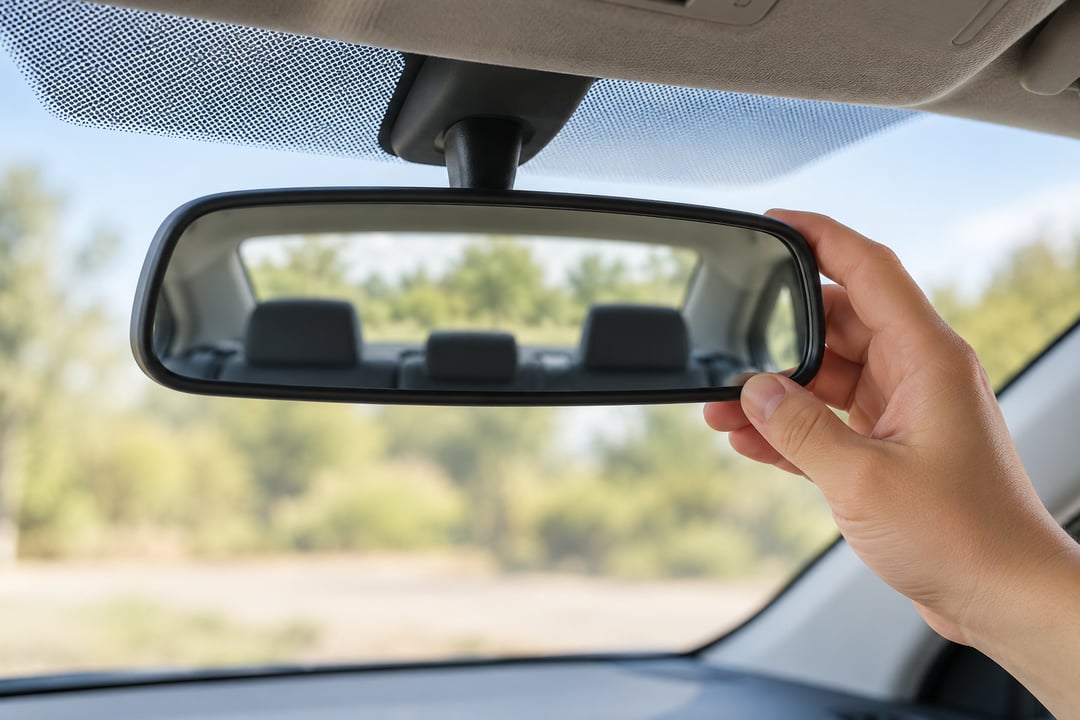
Confirm where the car can be viewed safely, how much time and access will be available, and whether the seller will allow the agreed independent assessment. Write down the functions you want demonstrated, such as mirror adjustment, locks and windows. Adjustments and demonstrations should take place while the car is safely stationary.
Ask about any limitations beforehand. A brief viewing cannot establish every function or operating condition. Where a road observation is arranged, it depends on the agreed scope, permission and safe conditions. Keep the questions focused on the actual car rather than a presumed fault pattern for the whole model family.
Turn the replies into a useful assessment brief
Summarise the confirmed identity, records received, seller's statements, missing evidence and observations you want checked. Clarify essential missing information before travelling. If you continue, pass that brief to the person assessing the car so the visit addresses the questions that matter to your purchase.
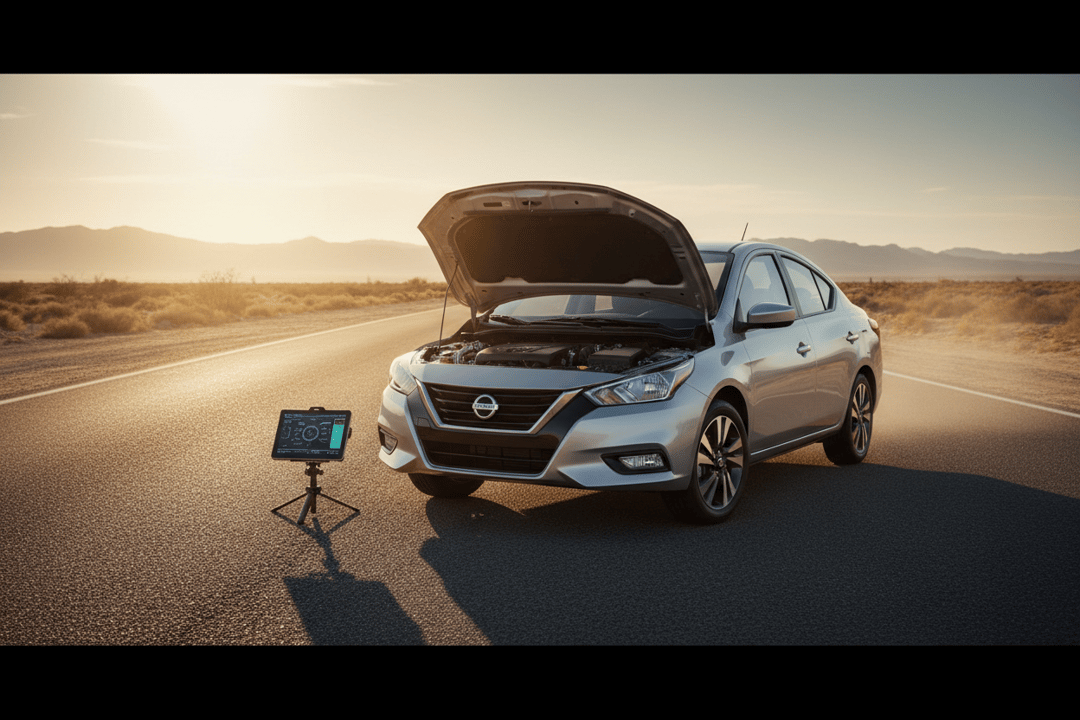
An experienced AutoFay inspector comes to the vehicle. Inspection is visual, non-intrusive and non-mechanical, with computer diagnostics and functional observations according to the selected package and conditions. It does not dismantle parts or examine internal engine or transmission components. It cannot guarantee discovery of every fault or future reliability; observations needing mechanical diagnosis should go to a workshop.
Review the available AutoFay inspection services for the particular sedan after confirming its details and the questions you need answered.
Prepared by AutoFay. Editorial update: October 28, 2026.

0 Comments
No comments yet. Be the first to share your thoughts!