
The arid climate and extreme temperatures of the United Arab Emirates impose a unique set of mechanical stresses on vehicles. For wagon owners, who frequently transport heavier loads and utilize their vehicles for long-distance family travel, these stresses are magnified. The intense solar radiation accelerates chemical degradation in fluids and rubber components, while the abrasive desert sand acts as a micro-sandpaper on body panels and undercarriages. Maintaining a wagon in the UAE requires a departure from standard maintenance schedules found in temperate climates. A proactive approach is necessary to prevent significant failures on UAE highways where speeds consistently exceed highway speeds.
The Critical Role of the Cooling System in High Heat
The engine cooling system bears the brunt of the UAE summer. The ambient temperature often exceeds 45°C, placing immense thermal load on the radiator and coolant. Wagon engines, often larger than those in sedans, generate significant heat, especially when carrying passengers and cargo. If the coolant system fails, the engine can reach critical temperatures within minutes, leading to warped cylinder heads and seized pistons.
Radiators in the region accumulate dust and sand rapidly. This debris restricts airflow, reducing the system's ability to dissipate heat. Furthermore, the high temperatures cause coolant to expand and boil, creating air pockets in the system that lead to localized overheating. Regular flushing of the cooling system is essential to remove sediment and ensure the correct mix of antifreeze and water.
Oil Degradation and Engine Performance
Engine oil is the lifeblood of the vehicle, but in the UAE heat, its viscosity changes. High temperatures cause thinner oils to thin further, reducing their ability to lubricate critical engine components. Conversely, the oxygen-rich desert air accelerates the oxidation of oil, leading to the formation of sludge and varnish. This sludge can clog oil passages and prevent oil from reaching the camshafts and lifters.
Consequently, engine wear increases exponentially in high heat. Metal-on-metal contact occurs more frequently, leading to rattling noise and reduced compression. Owners must adhere to strict oil change intervals, typically every 5,000 to 7,500 kilometers, depending on the viscosity grade used. Synthetic oils with high thermal stability are recommended to mitigate the thermal breakdown of lubricants in extreme conditions.
Fluid Dynamics: Transmission and Brake Fluids
Transmission fluids in automatic wagons are particularly susceptible to heat. The transmission operates in a confined space where heat dissipation is less efficient than in the engine bay. When transmission fluid overheats, it breaks down chemically, losing its friction properties. This results in sluggish gear shifts, delayed engagement, and increased transmission wear.
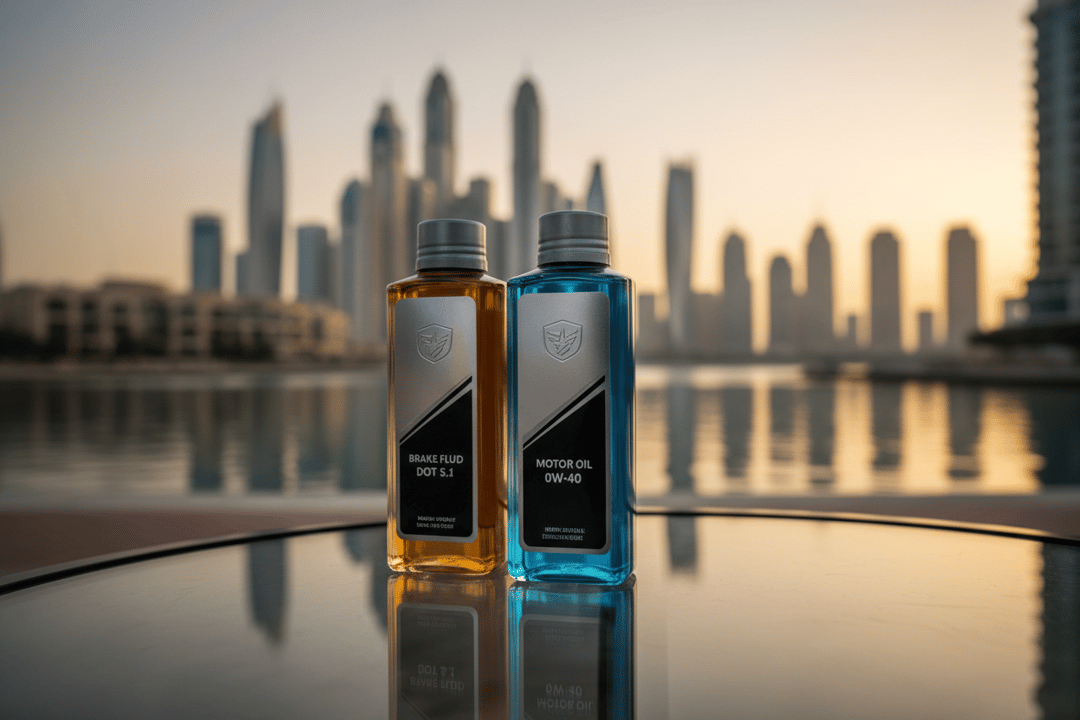
Brake fluid presents a different challenge. It is hygroscopic, meaning it absorbs moisture from the atmosphere. In the humid coastal regions of the UAE and the dry inland areas, the combination of temperature fluctuations can cause moisture to accumulate in the brake fluid reservoir. As water boils at a much lower temperature than brake fluid, pockets of steam form during hard braking. This leads to brake fade, where the pedal feels spongy and the stopping distance increases significantly.
Consequently, brake fluid replacement is not a matter of years but of mileage. Aged brake fluid compromises the safety of the vehicle. Inspectors should check the fluid's boiling point and clarity as part of a comprehensive assessment. Neglecting this fluid change can result in total brake system failure during emergency stops.
Visual and OBD Diagnostics
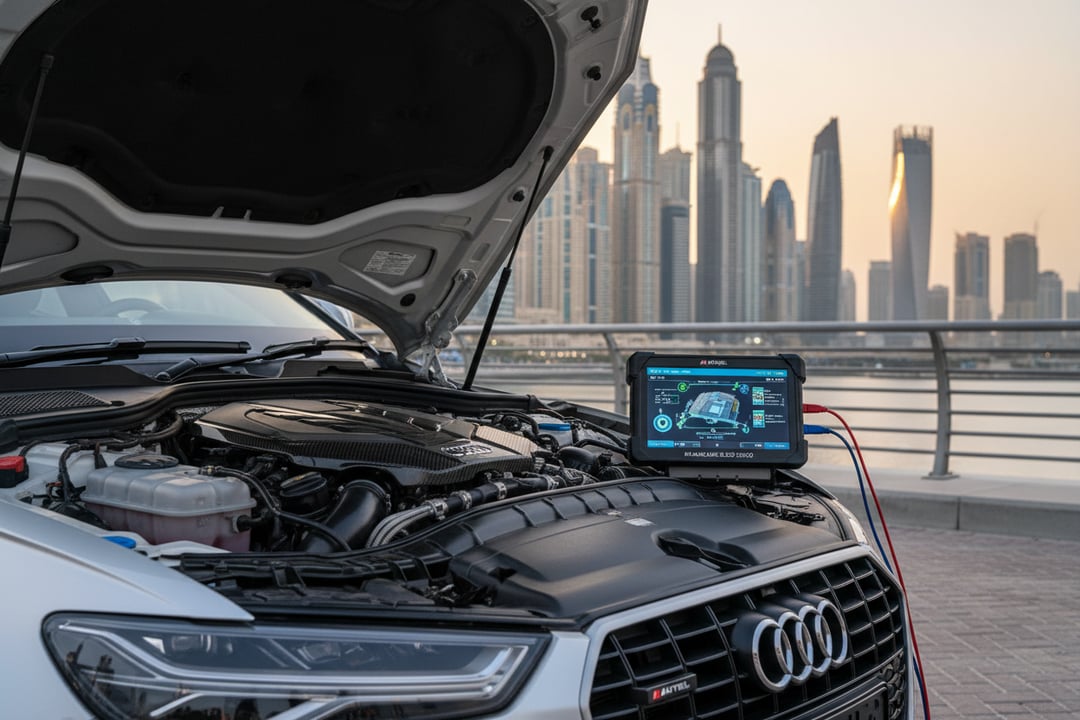
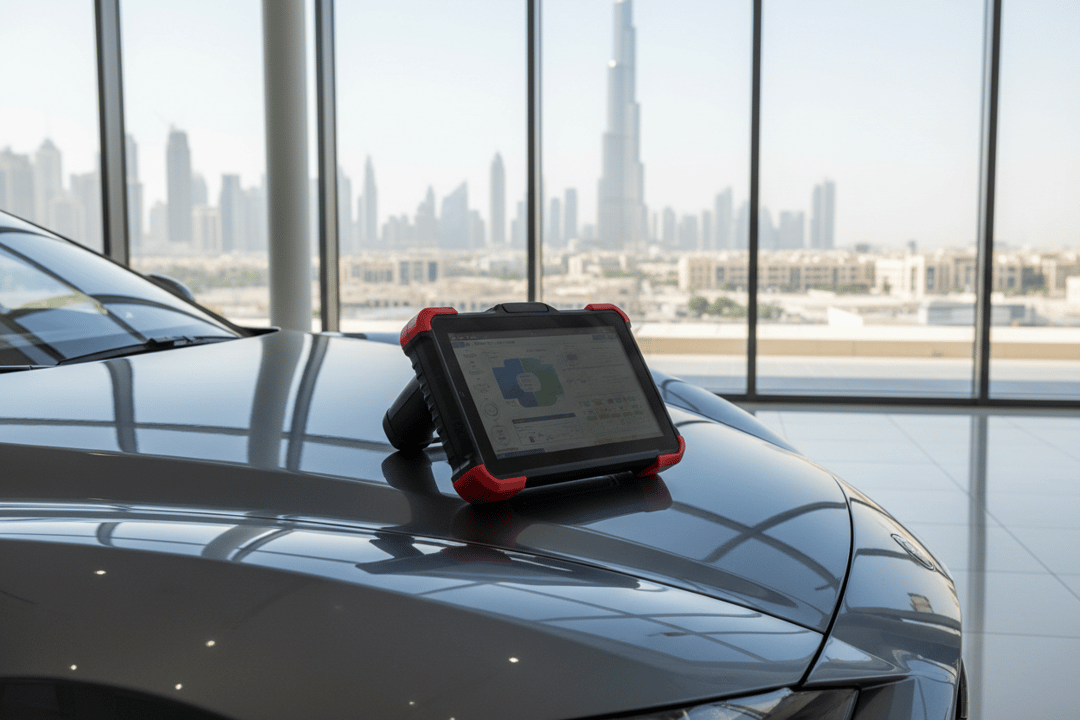
To ensure these systems are functioning correctly, a computer diagnostic scan is indispensable. Modern wagons have complex electronic control units that monitor fluid temperature and pressure. An OBD scan can reveal hidden issues before they become mechanical failures.
For those seeking a detailed mechanical health check, the Computer Diagnostic service offered by AutoFay provides a critical starting point. This service scans engine, transmission, ABS, and airbag systems for fault codes, ensuring that the vehicle’s computer is communicating effectively with its sensors. Detecting a faulty thermostat or a failing oxygen sensor early prevents the cascading damage that high heat often triggers in older vehicles.
Tire and Brake Wear Patterns in the Desert
The interplay between heat and friction is evident in the braking systems of wagons. The increased weight of a fully loaded wagon demands more stopping power. Wagon brakes are typically designed with larger rotors and calipers to manage this load. However, the extreme heat generated by repeated braking on highways leads to brake fade.
Brake pads wear faster in the UAE due to the high operating temperatures. The friction material can "glaze over," becoming hard and slick, which reduces friction and increases stopping distance. Inspectors must assess the pad percentage rating to ensure the vehicle is not operating with dangerously thin brake linings.
Tires also suffer from accelerated aging. The intense UV radiation degrades the rubber compounds over time, causing sidewall cracking and tread separation. Heat causes the air inside the tire to expand, increasing the risk of a blowout if the tire is overinflated. Additionally, the manufacturing date of tires is crucial; tires older than six years should be replaced, regardless of tread depth, as the rubber has become brittle from the sun.
| Component | Standard Interval | UAE Critical Window | Consequence of Delay |
|---|---|---|---|
| Engine Oil | Every 5,000 - higher mileage | Every 6 months | Thickening leads to sludge; increased wear on bearings and pistons. |
| Brake Fluid | Every 2 years | Every 15,000 - higher mileage | td>Moisture absorption lowers boiling point; risk of brake fade.|
| Coolant | Every 2 years | Every 20,000 - higher mileage | Corrosion of radiator and water pump; engine overheating. |
| Transmission Fluid | Every 40,000 - higher mileage | Every higher mileage | Fluid breakdown causes slipping and overheating of the gearbox. |
Suspension and Chassis Integrity
Wagons are designed to carry weight, which places greater stress on the suspension components. In the UAE, the suspension system faces a dual threat: high-speed impacts from potholes and thermal expansion of rubber bushings. The intense heat causes rubber bushings to dry out and crack, leading to a loss of vibration damping and a harsher ride.
Shock absorbers and struts work harder in the desert terrain. When they fail, the vehicle's tires lose contact with the road surface during bumps, reducing traction and control. Worn suspension components also accelerate tire wear, causing irregular tread patterns and premature tire replacement.
Furthermore, the chassis of a wagon must remain rigid to maintain handling characteristics. A damaged frame or bent suspension rails compromises safety. Inspectors must check the structural integrity of the vehicle, ensuring that no accident damage has occurred that could weaken the frame. A Road Test is essential to identify vibrations, clunking noises, or poor handling that indicate suspension failure.
Body and Paint: The Sandblast Effect
Highways in the UAE are often littered with debris kicked up by other vehicles. This debris acts as a sandblaster, eroding the paintwork of lower vehicles. For wagons, which are often parked in shared lots or driven on gravel roads, the undercarriage is particularly vulnerable to corrosion.
Sand and salt from coastal areas can accumulate in the door sills and chassis rails, leading to rust. Rust weakens the structural integrity of the vehicle, potentially compromising safety in the event of a collision. Original paint is preferable to repainted panels, as repainted areas may hide underlying rust or poor repair work.
For a thorough evaluation of the vehicle's exterior condition, the Body & Computer service offered by AutoFay provides an in-depth inspection. This service checks panel-by-panel for originality, identifying repaired areas that may have been involved in accidents or suffered from corrosion. Detecting rust and poor bodywork early prevents further deterioration and maintains the vehicle's resale value.
The Importance of Professional Inspection
While routine maintenance is vital, a professional vehicle inspection provides a comprehensive overview of the vehicle's current state. A visual inspection is often insufficient to detect hidden defects, such as internal engine wear, transmission slippage, or frame damage. A experienced inspector uses specialized equipment and a checklist of 410+ checkpoints across 25 categories to ensure every aspect of the vehicle is evaluated.
Engaging a professional inspection service is crucial when purchasing a used wagon or before major maintenance work. It provides an objective report detailing the health of the vehicle's fluids, brakes, suspension, and engine. The Comprehensive package offered by AutoFay covers all these bases, ensuring that no detail is overlooked.
This approach prevents the purchase of a vehicle with hidden issues that could lead to expensive repairs shortly after purchase. It validates the maintenance history and provides a clear picture of the vehicle's remaining lifespan. The detailed PDF report generated by the inspection process serves as a valuable tool for negotiation and future reference. AutoFay inspects 410+ checkpoints with HD photos and PDF report. Book at autofay.ae or call +971542584458


0 Comments
No comments yet. Be the first to share your thoughts!