
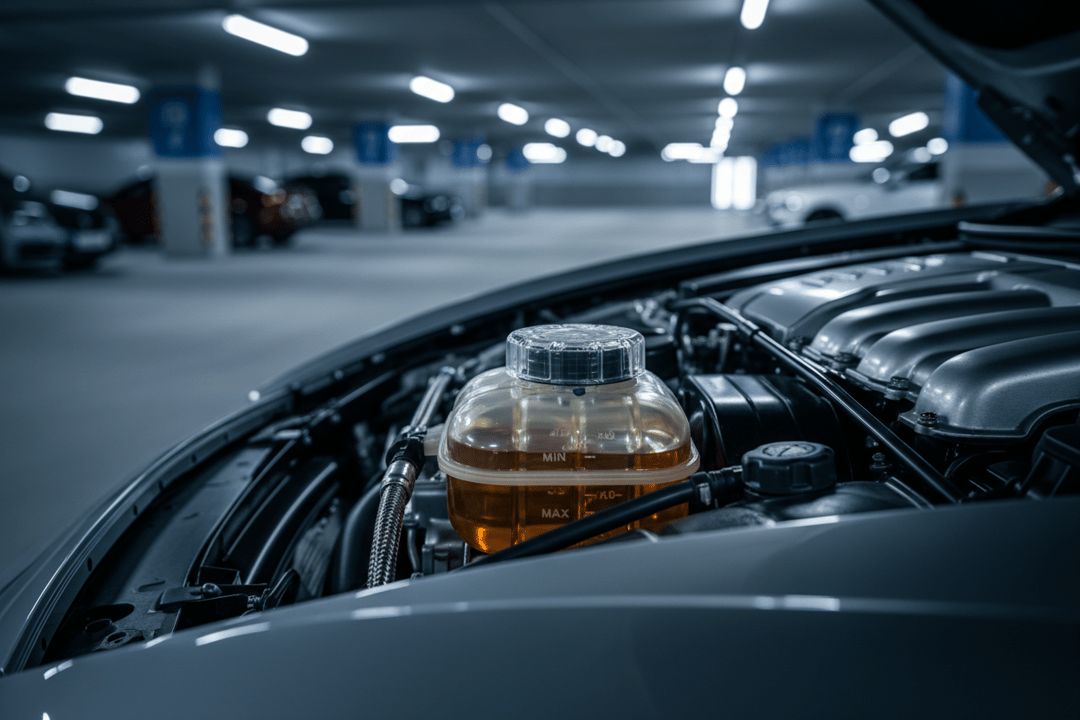
Power steering fluid is the hydraulic lifeline of a modern vehicle's steering system. It transfers the force from the engine to the steering rack, allowing the driver to maneuver the vehicle with minimal physical exertion. In the extreme temperature fluctuations of the UAE climate, this fluid is subjected to significant thermal stress. Failure to maintain this fluid can lead to stiffness in the steering wheel, premature wear of mechanical components, or complete hydraulic failure. Understanding the specific requirements of your vehicle's power steering system is a critical aspect of vehicle ownership and maintenance.
Identifying the Correct Power Steering Fluid Type
Modern vehicles predominantly utilize Automatic Transmission Fluid (ATF) or a specialized synthetic hydraulic fluid for their power steering systems. Using the incorrect fluid can result in hardening of rubber seals, increased internal friction, and ultimately, system failure. Manufacturers specify exact fluid standards, such as Dexron or Mercon, which dictate the fluid's viscosity and additive package. The fluid must maintain its consistency whether the ambient temperature is 40 degrees Celsius in Dubai or 5 degrees Celsius in Abu Dhabi at night.
| Fluid Type | Common Applications | Characteristics |
|---|---|---|
| Dexron VI ATF | General Motors, Asian vehicles, many SUVs | High temperature stability, low viscosity for cold starts |
| MercV | Ford, Lincoln, Mazda | Specific friction modifier requirements for Ford systems |
| Synthetic Hydraulic Fluid | European luxury vehicles (BMW, Mercedes, Audi) | td>Extreme pressure resistance, superior heat transfer properties
Checking the owner's manual is the only definitive method to determine the correct specification. Mixing different types of fluids, particularly conventional mineral oils with modern synthetics, can create chemical reactions that degrade the fluid's lubricating properties. This contamination compromises the hydraulic pressure required to assist steering, placing undue strain on the steering rack and pump.
Signs of Fluid Contamination and Degradation
Visual and olfactory inspection of the power steering fluid reveals the health of the hydraulic system. Over time, the fluid absorbs moisture and heat, breaking down into a dark, sludge-like substance. Fresh fluid typically appears bright pink, clear, or red. When the fluid turns a dark brown or black color, it indicates significant oxidation and the presence of metal particles. These particles are byproducts of wear occurring inside the pump or rack.
- Discoloration: A fluid color shift from red to brown signifies thermal breakdown.
- Burning Odor: A distinct smell of burnt toast or chemicals indicates the fluid has exceeded its boiling point or is contaminated with burnt clutch material.
- Foaming: If the fluid appears frothy or has bubbles, air has entered the hydraulic system. This results from a leak at the reservoir or a failing pump seal.
- Viscosity Change: The fluid may feel thick and syrupy or thin and watery, both of which prevent proper lubrication of internal bearings and gears.
Heavy Steering: Fluid Issues vs. Mechanical Failure
A stiff steering wheel is a primary complaint among drivers, but diagnosing the root cause requires distinguishing between hydraulic and mechanical faults. If the steering becomes heavy specifically when the vehicle is cold, it is often a fluid viscosity issue. Cold temperatures cause hydraulic fluid to thicken, increasing the effort required to turn the wheels. If the fluid is low, the steering will feel heavier than usual immediately after starting the engine.
Conversely, a consistent, heavy steering feel that does not improve with warm-up points toward internal mechanical failure within the steering rack or pump. If the pump is failing to generate pressure, the steering will remain stiff regardless of fluid temperature. Additionally, grinding noises accompanying the stiffness indicate metal-on-metal contact inside the rack gears, which is a significant failure mode that requires immediate component replacement.
Diagnostic Indicators for the Inspector
A experienced inspector evaluates the steering feel during the Road Test phase of an inspection. This involves assessing the responsiveness of the wheel at low, medium, and high speeds. The inspector confirms whether the steering is "tight" or "loose" and checks for any play in the wheel. If the steering feels uncharacteristically difficult to turn, the inspector will flag the Fluids category for level and condition check.
The Role of Fluids in Comprehensive Vehicle Inspection
Fluid health extends beyond just power steering; it encompasses the engine, transmission, and brake systems. In a professional inspection, the condition of fluids is one of the most telling indicators of a vehicle's true age and maintenance history. Old, dark transmission fluid or oil often masks the underlying health of engine internals. Automotive inspectors look for "burnt" smells and gritty textures during a visual check of the dipstick.
Inspectors also verify the presence of leaks. A fresh puddle under the vehicle suggests a recent leak, while a dry area with a crusty residue indicates a long-standing leak that has dried on the undercarriage. Since power steering fluid is typically red or pink, it is easily distinguishable from engine oil or coolant when spotting leaks on the garage floor.
Professional Inspection Packages and On-Location Service
Given the complexity of diagnosing steering issues effectively, relying on guesswork is dangerous. A professional inspection provides a detailed breakdown of the vehicle's condition. AutoFay offers a comprehensive suite of inspection packages designed to cover all aspects of vehicle health, including steering, suspension, and fluids.
For a basic diagnostic evaluation, the Computer Diagnostic AED 99 package scans the vehicle's onboard computer for error codes related to the EPS (Electric Power Steering) system or hydraulic sensor faults. For a more detailed assessment of the vehicle's mechanical condition, the Body & Computer AED 250 package provides a thorough physical examination. This includes a panel-by-panel check for repaints and repairs, as well as a full computer scan.
The premium offering, the Comprehensive AED 299 package, is the most thorough option available. This package covers 410+ checkpoints across 25 categories. It includes a detailed check of the steering fluid condition, a suspension analysis to ensure alignment and wear are within safe limits, and a complete road test to evaluate steering response and noise.
| Package | Key Inclusions | Best Suited For |
|---|---|---|
| Computer Diagnostic | OBD scan (EPS codes), visual check | Purchasing used cars or diagnosing warning lights |
| Body & Computer | Panel inspection, computer scan, fluids check | General purchase inspections, pre-delivery checks |
| Comprehensive | 410+ checkpoints, frame inspection, road test, HD photos | High-value vehicles, total vehicle assessments |
AutoFay provides on-location inspection across all 7 Emirates. The inspection team travels to the customer’s location to conduct the inspection, providing HD photos and a PDF report on the spot. This ensures that the buyer or seller has immediate access to factual data regarding the vehicle's steering and fluid health without the need to transport the vehicle to a workshop.
AutoFay inspects 410+ checkpoints with HD photos and PDF report. Book at autofay.ae or call +971542584458




0 Comments
No comments yet. Be the first to share your thoughts!