

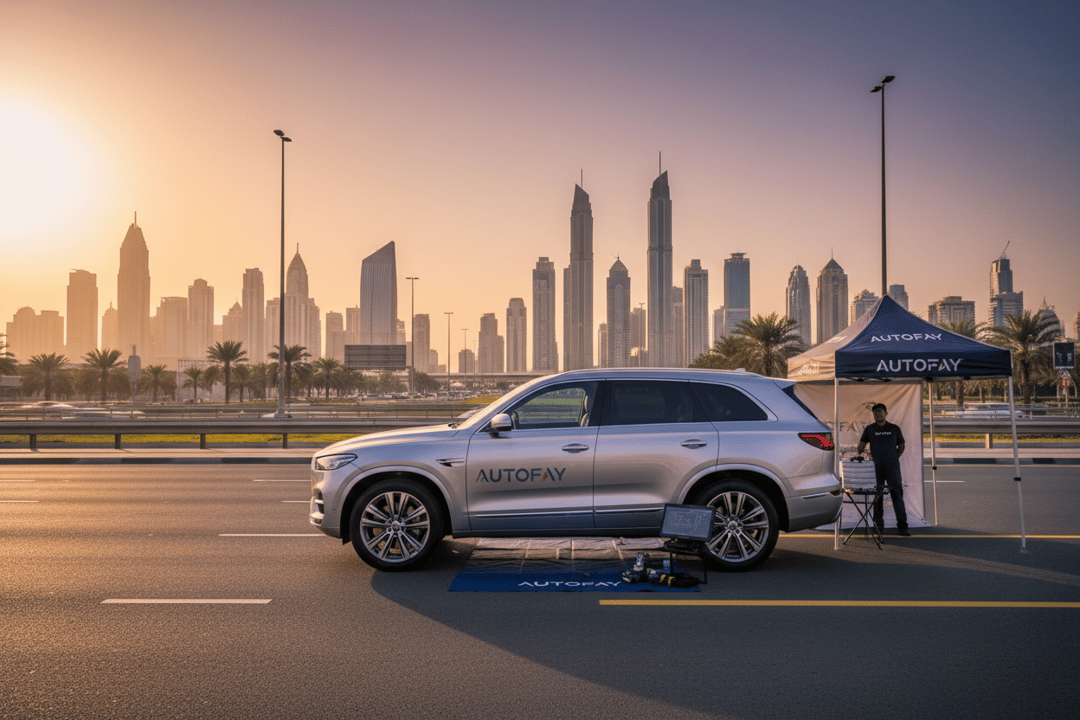
The desert climate of the UAE subjects vehicles to thermal stress that far exceeds standard operating conditions. Hyundai vehicles are engineered with robust engineering, but their longevity depends strictly on adherence to maintenance schedules that must be accelerated to counteract the intense heat and abrasive dust. Ignoring these adjusted intervals invites rapid component degradation and compromises safety. Understanding the specific requirements for oil, brakes, and transmission fluids is essential for any owner operating in this environment.
Engine Oil and the Battle Against Thermal Breakdown
The primary function of engine oil in the UAE is not just lubrication but thermal management. High ambient temperatures and the heat generated by the engine itself cause synthetic and semi-synthetic oils to degrade at a faster rate than in temperate climates. Conventional oil loses its viscosity quickly, turning into a thinner, less effective fluid that fails to coat moving parts adequately. This leads to increased metal-on-metal friction, which can scuff piston rings and damage cylinder walls, eventually resulting in a seized engine that requires complete replacement.
Hyundai recommends changing the engine oil every 5,000 to 7,500 kilometers or six months, whichever comes first, when operating in severe conditions. The use of full synthetic oil is strongly advised to maintain the required viscosity index. A clean oil filter must be installed during every change to trap the abrasive particulates generated by combustion and ingested road dust. Failing to replace the oil filter can result in contaminated oil recirculating through the engine, causing premature wear on bearings and camshafts.
The Critical Importance of Fluid Levels
Regularly checking the engine oil level is the first line of defense against overheating. A drop in oil level reduces the oil pump's ability to circulate fluid, leading to localized hot spots that can warp the cylinder head. Owners should inspect the dipstick weekly, especially during summer months, ensuring the oil is at the correct level and displays a light amber color. Dark, black oil indicates that the oil has been overheated and may contain sludge, which acts as a solid abrasive within the engine.
Brake Service in High-Temperature Environments
Brake systems operate on the principle of friction converting kinetic energy into heat. In the UAE, where traffic congestion and high speeds are common, brake components can reach temperatures exceeding 500 degrees Celsius. This extreme heat causes brake pads to wear down faster and can lead to "brake fade," a reduction in stopping power caused by the heat-soaked brake pads losing their ability to grip the rotors. If brakes overheat, the fluid in the lines can vaporize, creating air pockets that compress instead of transferring force to the caliper, potentially causing a complete loss of braking capability.
Hyundai recommends inspecting brake pads every 10,000 kilometers and replacing them when the friction material reaches a minimum thickness, typically 3 millimeters. However, in the UAE, this interval should be treated as a maximum. The brake calipers and slides must also be lubricated with high-temperature silicone paste to prevent seizing, which would lock the brakes and cause the rotor to wear unevenly or warp. Additionally, the brake fluid should be flushed every 40,000 kilometers or every two years. Brake fluid is hygroscopic, meaning it absorbs moisture from the air. Moisture lowers the fluid's boiling point, causing it to vaporize under the immense heat of daily driving, resulting in a spongy pedal feel and reduced responsiveness.
Transmission Flushes and Differential Care
The transmission transfers power from the engine to the wheels while keeping the engine speed optimized for fuel efficiency. In an automatic transmission, the fluid serves the dual purpose of lubrication and cooling, and the transmission often runs at higher temperatures than the engine itself due to the torque converter's operation. Under the extreme thermal load of the Gulf region, transmission fluid oxidizes rapidly, losing its friction-modifying additives and viscosity. This degradation causes the internal clutches to slip, resulting in delayed acceleration and poor fuel economy. In severe cases, worn fluid can lead to transmission slippage, overheating, and total mechanical failure.
Hyundai specifies varying intervals for transmission fluid replacement depending on the fluid type, with most requiring changes between 40,000 and 60,000 kilometers. For vehicles equipped with a Continuously Variable Transmission (CVT), the fluid change interval is often more critical, as the fluid is the primary structural component of the transmission system. Neglecting the differential fluid, which lubricates the gears transferring power to the wheels, can lead to metal shavings clogging the gears and causing catastrophic drivetrain failure. The fluid in the differential breaks down under high torque loads and the heat generated during highway driving.
Suspension and Tire Management
Heat affects tires more profoundly than any other component. As temperatures rise, the air inside the tire expands, increasing the pressure beyond the manufacturer’s recommended PSI. Overinflated tires reduce the contact patch with the road, diminishing traction and increasing the risk of hydroplaning during sudden downpours. Conversely, driving with underinflated tires generates excessive heat within the tire carcass, which can lead to a blowout at highway speeds. Hyundai recommends checking tire pressure at least once a month and adjusting it according to the vehicle's placard located on the driver's side door jamb, rather than the number printed on the tire sidewall.
Suspension components, including shock absorbers and struts, work harder to maintain tire contact with the road when tires are under pressure stress. Worn shocks fail to dampen road vibrations, causing the tires to bounce excessively. This bouncing action accelerates tire wear and creates a rough, unstable ride. Drivers should listen for unusual clunking noises when driving over bumps, which often indicates worn ball joints or control arm bushings. These parts degrade faster in the UAE due to the constant vibration from the rough road surfaces and the intense heat which can dry out rubber bushings.
The Role of Professional Inspection
Ensuring a vehicle meets these stringent maintenance requirements requires more than a visual glance. A professional inspection identifies latent issues that are not yet visible to the naked eye. For example, internal engine wear may produce smoke or unusual noises that are difficult to diagnose without specialized equipment. A thorough inspection covers the vehicle's frame integrity, ensuring that no minor accidents have caused unreported structural damage that could affect safety or handling.
Verifying Vehicle Health with AutoFay
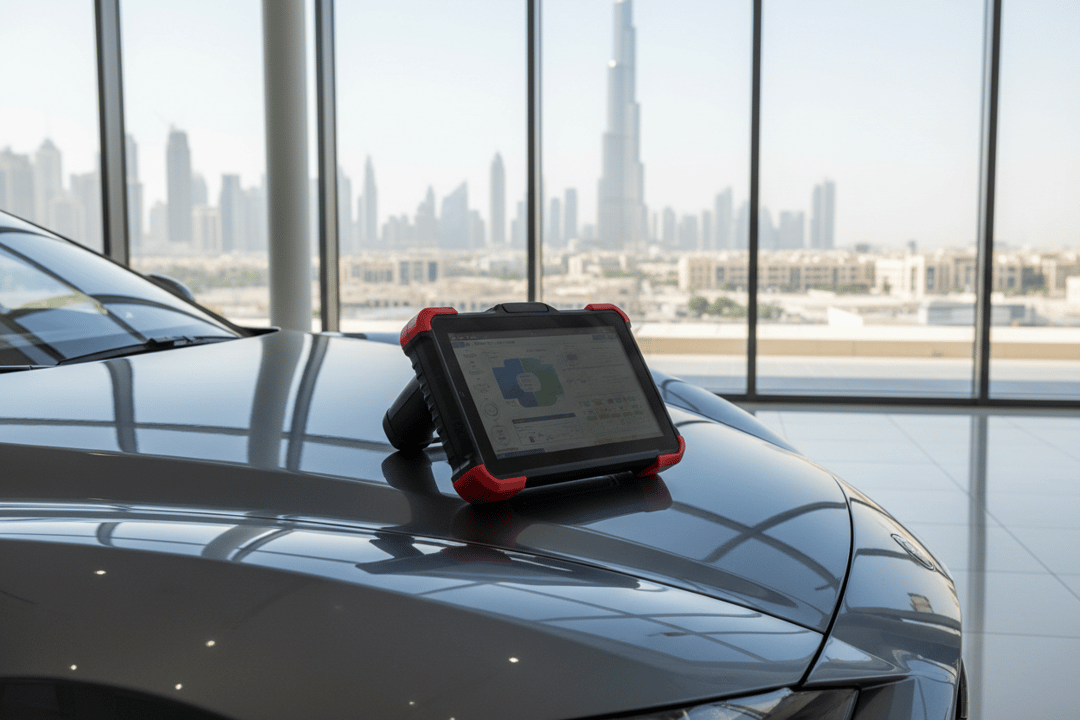
Owners can verify the current condition of their Hyundai through a detailed inspection process. A Computer Diagnostic service is available starting at AED 99 to scan for trouble codes in the engine, transmission, ABS, and airbag systems. For a comprehensive evaluation of the vehicle's health, the Body & Computer inspection is offered for AED 250. This package assesses the general condition of the vehicle's bodywork and computer systems.
The most rigorous option is the Comprehensive Inspection at AED 299. This service utilizes a detailed checklist of 410+ checkpoints across 25 categories. The inspection process includes a panel-by-panel examination for original versus repaired panels, a check of the frame rails and floor pan for structural integrity, and a road test to evaluate acceleration, braking, noise, and vibration. Technicians assess brake pad thickness ratings, inspect suspension components for wear, and verify tire manufacturing dates to ensure they are safe for the current road conditions. They also check fluid levels and condition to verify that regular maintenance has been performed. AutoFay inspects 410+ checkpoints with HD photos and PDF report. Book at autofay.ae or call +971542584458



0 Comments
No comments yet. Be the first to share your thoughts!