
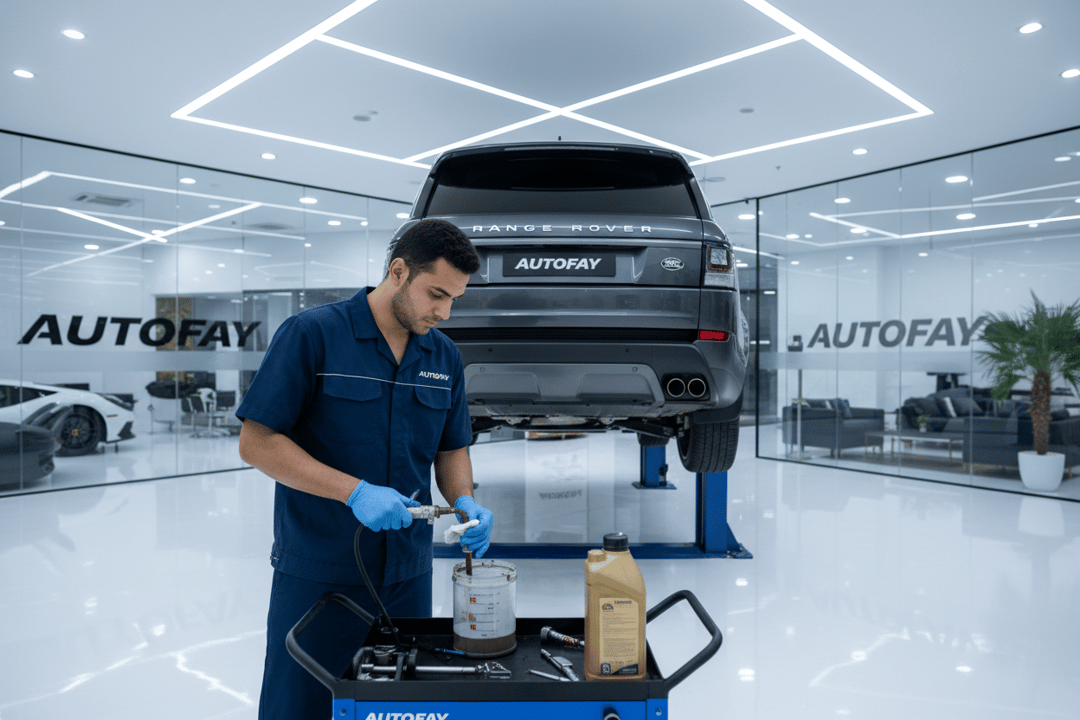
The drivetrain is the unsung hero of vehicle performance, yet it receives less attention than the engine or brakes. The differential serves as the critical link between the engine and the wheels, managing the torque delivery required for cornering and acceleration. In the United Arab Emirates, where road conditions range from high-speed highway cruising to demanding desert excursions, the differential endures extreme stress. Neglecting differential fluid maintenance leads to premature wear, reduced performance, and catastrophic component failure. Understanding the chemistry of the fluid and the mechanics of the drivetrain is essential for vehicle longevity.
The Impact of Extreme Heat on Differential Fluid
The Middle Eastern climate subjects vehicles to temperatures that far exceed the operating limits of standard fluids. High ambient temperatures combined with the friction generated by the drivetrain accelerates the thermal breakdown of the lubricant. As the fluid temperature rises, its viscosity decreases, meaning the oil becomes thinner and loses its ability to form a protective film between moving metal parts. This loss of lubrication leads to increased metal-on-metal contact, generating heat—a vicious cycle that rapidly degrades the fluid's shear strength.
Oxidation is another primary concern in high-heat environments. As the fluid degrades, it forms varnish and sludge that can clog the small passages within the differential case. These deposits restrict the flow of fluid to critical bearings and gears, causing localized overheating. Consequently, the fluid does not merely sit in the drain pan; it actively attacks the mechanics of the differential. For vehicles operating in the UAE, relying on the manufacturer’s standard service intervals is often insufficient due to the accelerated thermal load placed on the drivetrain.
Understanding Limited Slip Additives
Many 4WD vehicles and all-wheel-drive systems utilize a limited-slip differential (LSD) to transfer torque to the wheel with the most traction. Unlike a standard open differential, which allows both wheels to spin at the same speed, an LSD uses clutch packs to transfer power based on traction requirements. These clutch packs rely on a specific friction coefficient to function correctly. Unless the correct friction modifier is present in the fluid, the clutch plates will not engage properly, leading to excessive wheel spin and rapid clutch pack wear.
Owners of vehicles equipped with locking differentials or viscous coupling LSDs must ensure the fluid contains the specific additive required by the manufacturer. Without this additive, the clutch plates will slip under load, creating a hissing sound and reducing the vehicle's off-road capability. When servicing a limited-slip differential, performing a "drain and fill" without replenishing the additive essentially leaves the vehicle without a functioning traction control system. This oversight is a common cause of premature drivetrain failure in 4WD vehicles used in the UAE.
Service Intervals for 4WD and AWD Vehicles
Service intervals for 4WD and AWD vehicles are often longer than those for front-wheel drive vehicles, but longer intervals do not mean zero maintenance. Most manufacturers recommend changing the differential fluid every 30,000 to 60,000 miles, depending on the driving environment. However, these guidelines assume standard driving conditions. In the UAE, where drivers frequently utilize "Sand Mode" or engage 4WD on loose gravel, the effective service life of the fluid is significantly shorter.
It is advisable to inspect the differential fluid annually, regardless of mileage. A professional inspection can determine if the fluid has turned dark, smells burnt, or shows signs of metal shavings. Using synthetic differential fluid can extend the service interval compared to conventional mineral oil, but it is not immune to the abrasive effects of dust and heat. Waiting for the "check engine" light to illuminate is a dangerous strategy, as transmission and differential codes often appear only after irreversible damage has occurred.
How Off-Road Use Accelerates Breakdown
Off-road driving introduces contaminants that standard highway driving never does. Sand, silt, and fine dust find their way into the differential housing, acting as an abrasive that wears down gear teeth and bearing surfaces. Furthermore, the physical impact of driving over rocks or washboard terrain can cause the differential to shift, damaging the seals and allowing the precious fluid to leak out. A differential that is low on fluid operates at a higher temperature and generates more friction, leading to faster wear rates.
- Water Intrusion: When crossing wadis or driving through heavy rain, water can enter the vent system and mix with the fluid, creating a milky emulsion that destroys lubricating properties.
- Contamination: Dirt particles act as grinding paste, accelerating the wear of the ring and pinion gears.
- Shear Stress: Low traction conditions cause the clutch packs to grab and release repeatedly, generating immense localized heat that boils the fluid.
Signs of Differential Failure
Early detection of differential issues prevents costly repairs. Noise is the most common symptom; a whining sound usually indicates low fluid levels or worn gears, while a clunking sound often points to worn axle shafts or worn universal joints. Vibration felt through the floorboard at cruising speeds can also be a sign of a failing pinion bearing. Leaks are another clear indicator; fresh fluid often has a distinct smell, but if you notice a puddle under the vehicle near the rear axle, the seal has likely failed.
Drivetrain issues are complex to diagnose without the proper equipment and a road test. A professional inspection involves checking the fluid condition and level and taking the vehicle for a test drive to listen for abnormal noises. This process is part of a comprehensive vehicle check that evaluates 25 different categories to ensure the vehicle is safe and reliable. Ignoring these warning signs often results in the need for a complete differential rebuild or replacement, a repair far more expensive than a fluid change.
| Fluid Condition | Diagnostic Indicators | Recommended Action |
|---|---|---|
| Clean, Amber/Red | Normal operation, no unusual noises | Continue routine monitoring |
| Dark Brown or Black | Overheating, oxidation, degraded additives | Immediate fluid change |
| Cloudy or Milky | Water contamination, internal seal failure | Flush fluid and inspect seals |
| Has Metallic Particles | Worn gear teeth, bearing failure | Professional mechanical inspection required |
Professional Inspection and Maintenance
Proper vehicle maintenance in the UAE requires a rigorous inspection process that goes beyond a visual check. A experienced inspector evaluates the vehicle across 410+ checkpoints, including a specific review of the fluid levels and condition within the drivetrain category. This level of detail ensures that minor issues are identified before they escalate into major repairs. It is crucial to use a licensed inspection service that provides HD photos and a detailed PDF report to track the vehicle's condition over time.
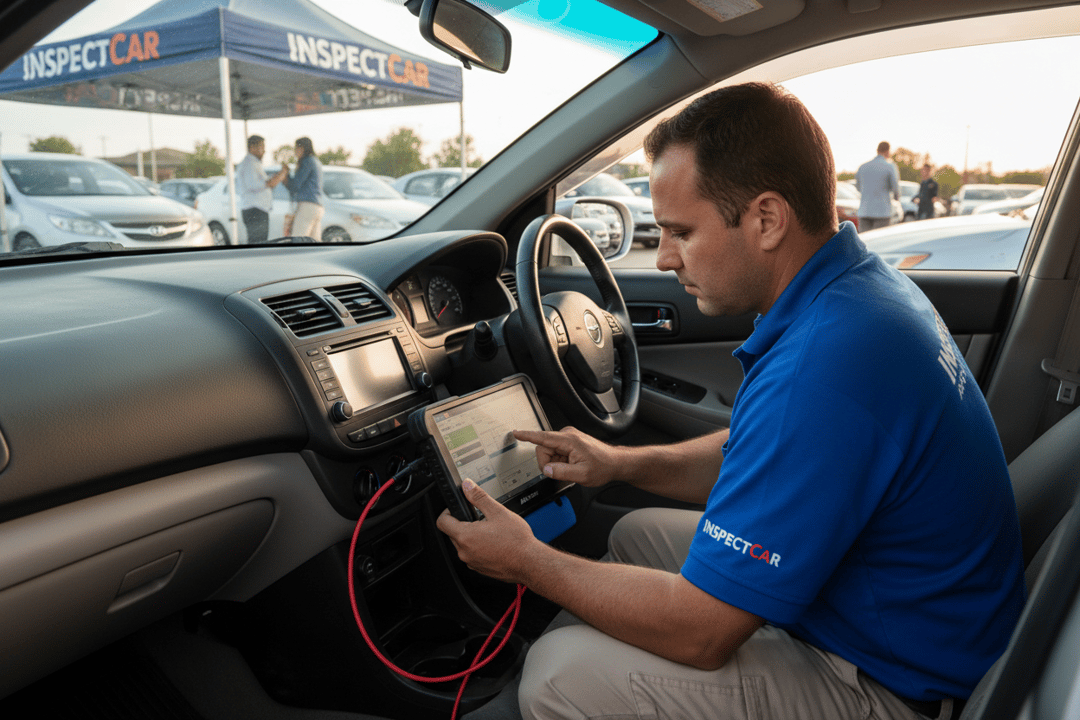
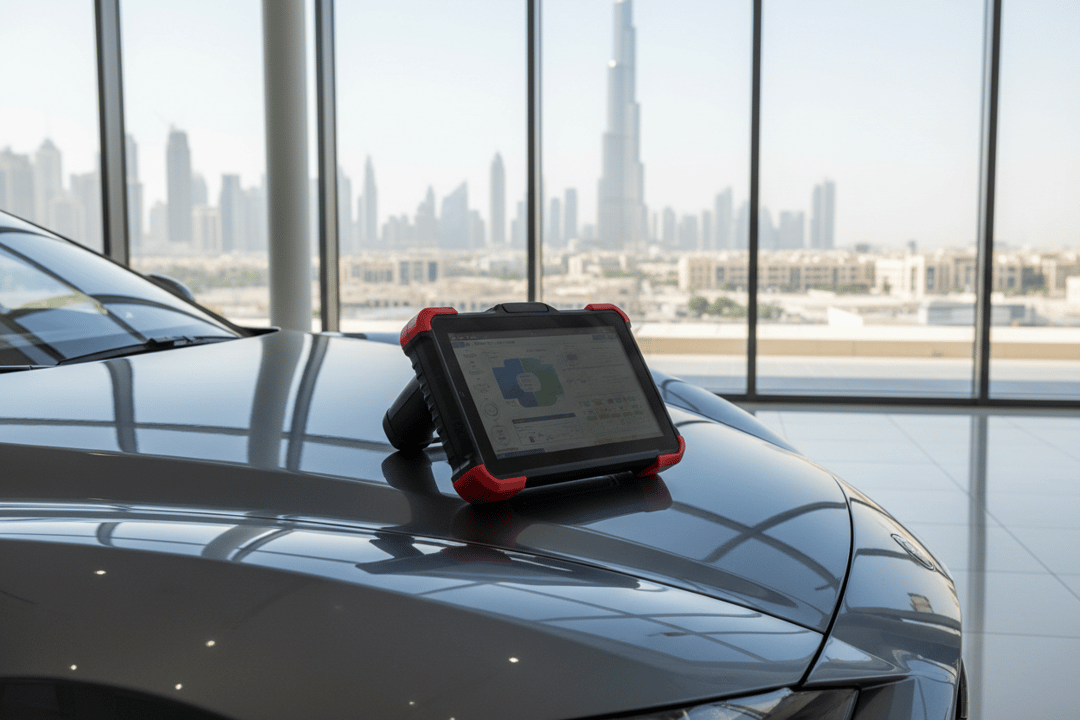
For drivers seeking a comprehensive health check, a full vehicle inspection package covers everything from the engine to the suspension and the drivetrain. Services such as a computer diagnostic scan can reveal transmission codes that correlate with differential slippage. A road test is a mandatory component of this process, allowing the technician to listen to the drivetrain under load. For those requiring a on-location inspection, professional inspectors can bring the inspection equipment to the customer's location in any of the 7 Emirates.
AutoFay inspects 410+ checkpoints with HD photos and PDF report. Book at autofay.ae or call +971542584458.
0 Comments
No comments yet. Be the first to share your thoughts!